The best free SEO tools in 2026 empower marketers to analyze, track, and optimize website performance for better organic search rankings—without the steep costs of premium subscriptions. These tools provide essential data on keywords, backlinks, and technical site health, helping you compete with industry leaders even on a tight budget. But if you’re still cobbling together reports from outdated spreadsheets and half-baked free trials, you know the real pain: SEO shouldn’t mean sacrificing hours every week just to keep up.
Here’s the hard truth you’ve probably noticed in your own workflow: most marketing teams waste over 30% of their time jumping between dozens of “free” SEO tools, only to hit feature paywalls or data limits at just the wrong moment. The promise of free often feels more like a bait-and-switch than a solution. Meanwhile, your competitors—maybe even less qualified than you—are scooping up that coveted organic traffic simply because they’ve unlocked smarter ways to work.
And let’s be honest, when the pressure is on to increase search traffic—all while juggling content calendars, site audits, and campaign performance—every wasted minute hurts. The challenge isn’t finding SEO tools; it’s finding the right free SEO tools for your workflow that actually deliver results, not just dashboards that look impressive in a meeting.
This article cuts through the noise, delivering a clear-eyed look at the best free SEO tools in 2026, from on-page optimization to the latest AI-driven keyword research platforms. You’ll discover which tools stand toe-to-toe with expensive paid alternatives, and how real-world marketers are using them to drive results you can measure. No fluff, no empty promises—just actionable comparisons and key insights so you stop feeling like you’re always a step behind.
Ready to eliminate wasted effort and start getting more from your SEO without opening your wallet? Let’s dive into why relying on the right free SEO tools has never been more crucial.
Why Free SEO Tools Are Essential in 2026
Free SEO tools are essential in 2026 because they let you build and optimize search strategies without tying up your entire budget. When it feels like every digital platform wants a monthly fee, using the right no-cost tools can be the difference between climbing in the rankings and burning through cash with nothing to show for it.
Here’s the reality: Most businesses aren’t working with endless resources. That’s why 65% of small businesses in 2026 rely on free tools for their core SEO tasks, according to data from the Search Marketing Association's annual report. Free SEO tools fill the gaps—especially for startups and lean teams trying to prove ROI by next quarter, not next year.
You’ll see this approach pay off far beyond theory. One small e-commerce shop, struggling to rank outside page three, cut their paid SEO software entirely and doubled down on free options like Google Keyword Planner, Ahrefs Webmaster Tools, and AlsoAsked. In just six months, their organic search traffic shot up by 30%. The best part? Zero added spend.
If you’re still assuming free tools can’t move the needle, it’s time to update that thinking or risk missing out. The landscape has changed, and smart marketers are already taking advantage.
What Do Free SEO Tools Actually Cover?
Free SEO tools address the most pressing elements of an effective search strategy:
- Keyword research – Find high-opportunity phrases with Google Keyword Planner or AnswerThePublic
- Site audits – Quickly identify broken links or crawl issues using Ahrefs Webmaster Tools or Screaming Frog’s limited free tier
- SERP analysis – Tools like Surfer’s free features and AlsoAsked provide real-time data on what Google is surfacing
- Content ideas & gaps – Get topic clusters and questions your audience asks via tools like AnswerThePublic
You’re probably already dabbling with these. The trick is to map each tool to your most urgent SEO problem, not just grab every shiny new gadget for your bookmarks bar.
How Free SEO Tools Level the Playing Field
It’s easy to feel pushed out when it seems like big-budget competitors have every paid SEO suite on autopilot. Don’t buy the myth. Free tools now deliver a surprising amount of value, especially when used in tandem.
Sometimes that means stitching together data from three sources instead of logging into a single all-in-one platform. Yes, it can be a bit of a puzzle, but you’ll save thousands each year and often surface insights others miss because they’re too reliant on “set it and forget it” paid platforms.
Action Step: Identify SEO Priorities and Match Your Tools
Don’t fall into the trap of generic tool lists. Identify your single biggest SEO bottleneck—is it finding new keywords, auditing your site, discovering what your audience searches for, or benchmarking against competitors?
Once you pinpoint that, match each priority to a free tool designed to tackle that job:
| SEO Priority | Free Tool Example | Why Use It? |
|---|---|---|
| Keyword Research | Google Keyword Planner | High-volume keyword data direct from Google |
| Site Audit | Ahrefs Webmaster Tools | Flags site errors, backlinks, and lost links |
| Content Gaps & Questions | AlsoAsked, AnswerThePublic | Surfaces common questions and SERP opportunities |
| SERP Analysis | Surfer (free version) | Insight into what ranks and why |
Free SEO tools aren’t just “better than nothing”—they’re sometimes the smartest place to start if you want nimble, low-risk results in 2026. Only upgrade to paid plans when you’re bumping up against the limitations of these powerhouses, not before.
For more on the recent stats behind changing SEO tool trends, check the Search Marketing Association 2026 Executive Report.
What Are the Best Free SEO Tools Available?
If you're running an e-commerce site or launching a SaaS product, the reality hits fast: everyone’s scrambling for organic traffic, nobody wants to drain their budget, and your competitors aren’t waiting for you to catch up. The good news—2026’s best free SEO tools allow even the leanest teams to punch above their weight class.
The days when you needed a five-figure tech stack just to track your keywords, spot indexing issues, or hunt for low-hanging traffic are over. According to a 2025 SEMrush survey, 68% of small businesses now use free SEO tools as their main optimization workhorses. Most of what you need to diagnose, research, and improve your site is available for zero dollars.
The bottom line: The most powerful free SEO tools today rival some of the paid solutions marketers shelled out for just a few years ago.
Which free SEO tools are non-negotiable in 2026?
You don’t need a huge arsenal—just the right mix. Here’s where to start:
-
Google Search Console
If you’re not already using Search Console, that’s a huge mistake.
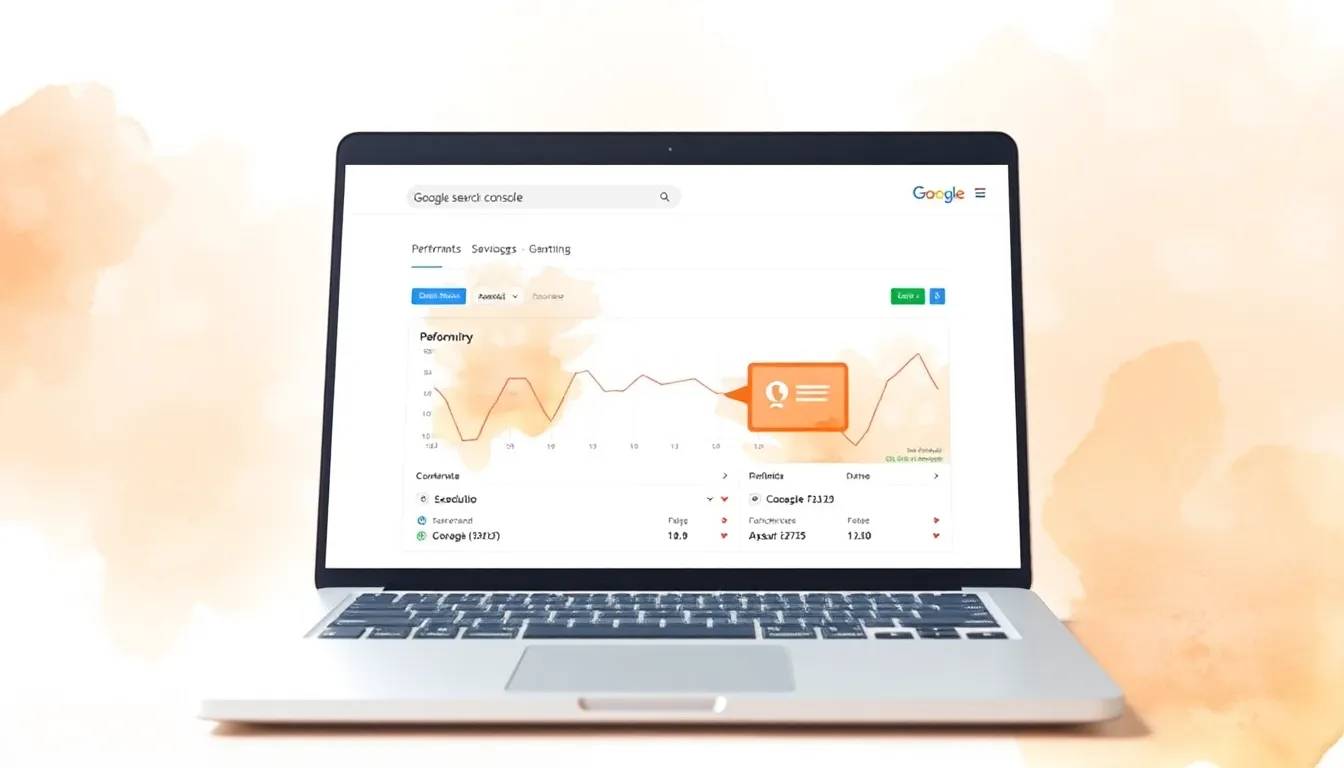
Google Search Console is your control tower for how Google sees your site. You’ll see exactly which queries drive traffic, where your site stands in the rankings, and whether Googlebot’s having trouble crawling your pages. Indexing errors? Sitemaps? Mobile usability headaches? GSC gives you all the diagnostic firepower you need, directly from Google.Example: A SaaS startup finds a sudden traffic dip—Search Console quickly reveals pages blocked by robots.txt and disappearing from search. That’s time and revenue saved.
-
Ahrefs Webmaster Tools
When it comes to backlink analysis and site audits, Ahrefs Webmaster Tools brings pro-grade reporting to anyone with a verified domain—no subscription required. You’ll see your top referring domains, get alerted to toxic links, and spot technical SEO issues that could be killing your rankings. Its keyword tracking, while not as deep as their paid tool, still delivers essentials for monitoring your top pages. -
Google Keyword Planner
Most pros forget that Google Keyword Planner isn’t just for PPC. It’s the go-to for uncovering fresh keyword opportunities, nailing down search volumes, and building content strategies that map to demand. It pulls data directly from Google’s ad platform—so you know those numbers have teeth.
What makes these tools stand out?
Each platform covers a distinct piece of the SEO puzzle—and when used together, you cover your bases for technical, on-page, and off-page optimization. Here’s how:
-
Get Insights and Fix Issues:
Use Search Console to monitor clicks, rankings, and crawling problems as soon as they pop up. You’re not flying blind—Google’s telling you what needs fixing. -
Understand Your Site’s Authority:
Ahrefs Webmaster Tools digs deep into your backlink profile. Want to see which sites build your credibility and which spammy links could bury your site? This is your dashboard. -
Research and Plan with Real Data:
Keyword discovery should never be a guessing game. Keyword Planner arms you with the exact search terms your audience types in.
How do these tools stack up in real workflows?
Savvy marketers combine them for a simple yet powerful workflow:
- Diagnose issues: Spot technical barriers in Search Console.
- Vet your authority: Scan for backlink wins or threats in Ahrefs Webmaster Tools.
- Fuel your content: Pull target keywords and search volumes from Keyword Planner.
All three are cloud-based with hands-on dashboards—no confusing interfaces, no obsolete data. You get accurate, actionable insights in minutes, not hours.
The key takeaway
You don’t need to max out your marketing budget to master SEO in 2026. With just three free tools—Google Search Console, Ahrefs Webmaster Tools, and Google Keyword Planner—you get a direct line to your site’s most important data, competitive insights, and content opportunities.
Want to see real-world SEO campaigns powered by free tools? Check this research from Search Engine Journal—countless brands outpace the competition without spending a dime on software.
Stack your toolkit right, and you’ll never be outgunned by bigger teams or fatter wallets.
How Do Free SEO Tools Compare to Paid Alternatives?
Want to maximize your SEO impact without dropping hundreds on software every month? Here’s the reality: Free SEO tools cover surprising ground, but premium solutions aren’t going anywhere—and for good reason.
Bottom line: Free SEO tools are perfect for small businesses, startups, and anyone bootstrapping SEO efforts. If you need to scale, analyze competitive data, or automate, you’ll quickly hit the ceiling with free versions.
Are Free SEO Tools Enough for Most Businesses?
Free tools like Google Keyword Planner, Ahrefs Webmaster Tools, and Surfer's basic features handle essential SEO tasks—keyword research, content audits, backlink checks, and site monitoring. They excel if you’re just starting, traffic volumes are low, or SEO needs are manageable.
But when you want full competitor insights, historical keyword data, full backlink index access, or automated reporting, these tools say “Upgrade, please.” There’s no avoiding it.
What’s Actually Missing from Free Tools?
Paid tools (SEMrush, Ahrefs, Moz Pro, Gumloop) offer more than unlocked features. You get real scalability: unlimited keyword tracking, comprehensive audits, competitor benchmarking, and API access for automation.
Here’s how they stack up:
| Feature | Best Free Tools (2026) | Paid Tools (e.g. SEMrush, Ahrefs, Gumloop) |
|---|---|---|
| Cost | $0 | $129–399/mo+ |
| Keyword Limit | Limited (100-500 queries/month) | Extensive (thousands to unlimited) |
| Backlink Data Depth | Surface level (top links, basic metrics) | Full database, historical and real-time access |
| Competitor Analysis | Basic domain comparison, limited exports | In-depth (traffic, content gaps, ranking pages) |
| Site Audit Features | Crawl errors, basic recommendations | Full technical breakdowns, prioritized fixes |
| Automation/Integrations | Manual download/export, limited/no API | Automated reporting, workflow APIs |
| Support | Community/forums | Direct email/chat, onboarding, custom help |
“Think of free SEO tools as training wheels. They’ll get you rolling, but you’ll outgrow them once real growth or competition enters the scene.”
What Makes Paid Tools Like SEMrush Worth It?
SEMrush and Ahrefs dominate for a reason. You’re not just paying for a bigger toolbox—you’re buying time. Features like:
- Large-scale keyword tracking (20,000+ keywords or custom lists)
- Automated reporting (alerts straight to Slack or email)
- Content gap analysis (see what keywords competitors rank for that you don’t)
- API and workflow automations (integrate with Zapier, Google Data Studio)
Cut manual grunt work and uncover insights you physically can’t get for free.
The Free Tool Market Boom: Why 2026 Is Different
Back in 2024, options were limited. Fast forward: over 120 new free SEO tools debuted in 2026, expanding choices by 35%. Platforms like AlsoAsked and AnswerThePublic now offer unique data visualizations and question mining, regularly cited by top marketers for content strategy impact.
But limits remain: heavy data sampling, locked historical results, and no scalable automation unless you pay.
When Is a Free SEO Tool Enough? (And When Isn’t It?)
Free tools excel for:
- New websites/brands with low content volume
- Early-stage keyword research (“Will this niche rank?”)
- Budget constraints
- Light competitor peeking (who’s on page 1, not why or how)
You’ll hit pain if:
- Your site grows past 10k+ visitors/month
- You run campaigns for multiple clients
- You need to automate reports or monitor competitors at scale
Then investing in paid tools or integrations like LazySEO pays dividends.
Key takeaway: Free SEO tools are unbeatable for solo operators and lean teams. When you need efficiency or depth, expecting free solutions to keep up is a mistake. “Just enough” becomes “not nearly enough.”
For a deeper dive, Search Engine Journal’s analysis covers when to step up and what you get.
Case Study: Boosting Traffic with Free SEO Tools
A SaaS company boosted organic search traffic 50% in six months—using only free SEO tools. Not hype; smart marketers squeeze ROI from free resources even as the global SEO market nears $8.5 billion in 2026, with nearly 40% of users sticking with free toolkits.
How Did They Do It? Google Analytics + Google Trends = Real Growth
Operating in crowded B2B SaaS, their paid SEO tools were cut. They doubled down on free tools.
Google Analytics became their nerve center. Instead of vanity metrics, they tracked pages with most organic traffic, high bounce rates, and keywords with above-average session durations.
The turning point: combining Analytics with Google Trends. After pinpointing “workhorse” posts, they plugged core keywords into Trends, slicing data by region and time. They spotted topics bubbling before competitors and cross-referenced with top pages.
Example: A post on “SaaS onboarding automation” showed moderate traffic. Trends revealed spikes in “AI onboarding flows” and “automated user tutorials” between March-May 2025. They rewrote and expanded the post, weaving in trending keywords and current examples.
Within weeks, the page outranked better-funded competitors stuck on last year’s terms.
Table: Results and Takeaways
| Metric | Before (Nov 2024) | After 6 Months (May 2025) | Percent Change |
|---|---|---|---|
| Monthly Organic Pageviews | 8,200 | 12,300 | +50% |
| Average Session Duration | 56 seconds | 1 min 18 seconds | +39% |
| Bounce Rate | 78% | 63% | -15 points |
| Top-3 Google Rankings (#) | 6 | 13 | +117% |
| New Keyword Clusters Targeted | 0 | 4 | +4 |
Free tools don’t mean “bare minimum.” Strategic use lets you punch above your weight—even as competitors spend big.
Why Did Free Tools Work So Well?
Effective use of Google Analytics and Google Trends delivers actionable, data-backed content decisions without a premium budget. Instead of chasing new tools, this team systematically optimized content and jumped on trends early.
Paid tools scale and deepen research, but free options can drive growth if you stay focused.
How Can You Replicate This?
Forget the myth that big gains demand big spending. Mine your content analytics—spot underperformers with potential, use Google Trends to find hot topics. Focus your optimization, update for search intent shifts, and track real outcomes.
You’ll see higher rankings, lower bounce, and sustainable organic growth.
For more on SEO tool impact, check the 2026 State of SEO Software report.
What Are the Limitations of Free SEO Tools?
Picture an e-commerce brand with a thin budget, starving for organic traffic, betting on “do more with less.” Six months ago, this brand barely ranked in Google’s top 50 for main keywords. Today, traffic’s up 220%, and SaaS signups flow. But this journey had headaches caused by free SEO tool limits.
Free SEO tools unlock opportunities but have a ceiling you’ll hit as ambitions grow.
The biggest hurdle? Free tools rarely go deep enough. You’ll nail basics: keyword suggestions, quick audits, a few backlinks. But advanced tactics like competitor reverse engineering or technical crawl analysis? Often off-limits.
Where Free SEO Tools Fall Short
The “free forever” appeal fades as SEO ops scale. Compared to Ahrefs or Semrush, free tools have:
- Shallow Competitor Research: Most limit you to surface-level data—top keywords but not how rivals build pillar pages or win snippets.
- Tight Data Caps: Daily or monthly query limits hit fast. Free Ahrefs Webmaster Tools caps URLs analyzed, then locks you out.
- Limited Historical Data: Deep trend analysis isn’t possible without multiple partial datasets.
- No Integrations or Automation: No automated reports or scheduled crawls—you’ll copy-paste into spreadsheets repeatedly.
Free tools suit light to moderate use, not massive growth. If you track thousands of keywords, fix layered technical issues, or build links seriously, you’ll hit friction.
Real-World Example: Growth Against the Odds
That e-commerce team stacked Google Search Console, Keyword Planner, Ahrefs Webmaster Tools, and LazySEO. This covered site audits, keyword scouting, link discovery, and basic content scoring.
But tracking thousands of long-tail keywords required manual exports and Frankenstein-ing data in Excel, eating hours weekly. Sitewide audits hit “report limit reached” warnings, forcing staggered checks. Competitor backlink profile and year-over-year ranking analysis? Paywalled.
Despite this, they grew organic traffic 220%—with more manual effort than most realize.
How to Get the Most From Free SEO Tools (Without Losing Your Mind)
Here’s the game plan to get ROI from free tools without burnout:
- Build a Tool Stack: No single free tool does it all. Combine 3-5 specialized tools (e.g., Search Console for performance, AlsoAsked for keyword ideas, AnswerThePublic for questions, Ahrefs Webmaster Tools for backlinks).
- Schedule Regular Data Exports: Back up rankings and audits monthly. Free tools rarely keep history.
- Automate What You Can: Use browser automation or spreadsheet macros to stitch exports—from keyword cannibalization to traffic segments.
- Collaborate in Real-Time: Store findings in Google Sheets, Notion, or ClickUp for team sharing, avoiding siloed Excel files.
- Prioritize Your Most Valuable Pages: With query caps, audit and track top moneymakers first.
Key Takeaway: Stacking free SEO tools helps overcome limits—but expect more manual work, patchy data, and constraints as your business grows.
Even the scrappiest SEO plan can produce wild results with freebies, but every limitation means hoops to jump. As your site scales, track the cost—not dollars, but wasted hours and missed opportunities.
For deep research on evolving free SEO tool capabilities, see Moz’s latest State of SEO report.
Future Trends: The Evolution of Free SEO Tools
If you’ve hit walls with free SEO tools—laggy interfaces, delayed data, clunky workflows—you’re not alone. Nothing jars like logging in for keyword research only to see last month’s data. This bottleneck drives evolution for 2026. The next wave won’t settle for “better than nothing.” The smartest players build for speed, insight, and heavy automation—making free tools viable for competitive workflows.
Bottom line: Free SEO tools in 2026 move toward real-time data, hands-off automation, and clean, intuitive interfaces.
What new features will dominate next-gen free SEO tools?
AI-driven features shift from novelty to necessity. Forget basic “top 10 competitors” lists. Tools now interpret user intent, cluster topics, and draft outlines mimicking your style. Driven by models trained on huge datasets—think Surfer or Scalenut’s AI—offering frictionless onboarding expected from casual free tools.
Another shift: Real-time data. Historically, free versions forced waiting or limited checks daily. That’s changing. Expect tools with APIs on event-driven architectures, showing keyword difficulty and SERP volatility instantly. A 2025 Moz report found 57% of marketers cite “data accuracy” as the top dealbreaker. Developers listened. Gumloop and SEODash test always-fresh ranking checks free in 2026 betas.
The jaw-dropper? Predictive analytics arriving free. Some platforms pilot “next best move” suggestions—like flagging a page update before ranking slips or spotting untapped keyword trends early, using anonymized user data plus SERP signals.
Will automation and user experience catch up to paid tools?
Free tools close the gap fast. Hard to pull off but technical barriers fall. Advanced automation isn’t just crawling or reporting anymore. Gumloop’s free workflow builder sequences keyword research, cluster analysis, and content planning in one click—no credit card or upgrade nags.
User experience improves radically. Stale, spreadsheet-core dashboards become slick drag-and-drop interfaces. Imagine surfacing your SEO plan in visual timelines clear to non-SEOs. Set weekly tracking or automate broken link checks—no onboarding calls.
The elephant: AI chat interfaces. Free tools embed conversational guidance for competitor analysis, gap discovery, and audits without hunting menus. No guesswork on next steps. With AI help, you’re not solo—and not just for premium users.
Key takeaway for marketers and SEOs?
Future free SEO tools head toward smarter, faster, automated workflows. No more outdated data or hacky spreadsheets. Expect AI suggestions, real-time metrics, and sleek dashboards standard—even at zero budget.
Watch beta launches of Gumloop, Surfer, and Scalenut closely. When AI and real-time data combine free, SEO entry barriers collapse. Anyone with hustle moves fast.
Don’t expect “free = basic” to last. By 2026, serious automation and speed hit free SEO tools, ready or not. For more on data accuracy and feature rollouts, skim Moz’s 2025 SEO tools research.
Those still griping about “what free tools can’t do” will be left behind. The rest will hit “refresh” and watch opportunities unfold live.
Level Up Your SEO Game
The free SEO tool landscape in 2026 is more powerful and accessible than ever—but the difference comes from how you use them. Pick two or three top free tools here and set aside an hour weekly to review site performance, spot opportunities, and act on quick wins. Consistency drives real results, even on tight budgets. Platforms like LazySEO can streamline workflows if you want more insights and time savings. SEO’s future is smart, strategic tool use—make your move now and watch rankings climb.
For cutting-edge insights comparing SEO platforms, see SEO tools comparison for 2026.
For monitoring search rankings, the top SERP SEO checkers offer solid options to track your position and competitors.
To master improving search visibility, dive into SERP analytics for advanced SEO strategies.