SEO for Small Businesses: Your 2026 Guide
SEO for small businesses is the most effective way to generate consistent, qualified organic search traffic without blowing your budget on ads. The right strategies in 2026 will help your business outmaneuver larger competitors online, drive more leads, and turn your website into a sales engine. But if you’re like most digital marketers or SEO specialists in a small business, the promise of SEO can feel more like a taunt than a solution.
Churning out blog posts that barely move the needle, obsessing over cryptic ranking fluctuations, or drowning in endless keyword research isn’t what you signed up for—especially when every hour and dollar count. Here’s a harsh truth: 90% of small business websites still fail to reach the first page of Google for their main keywords.* You’re up late, recalibrating campaigns or scrolling through competitor sites, wondering why your efforts aren’t translating into real traffic or revenue. Maybe you’ve patched together a handful of good approaches from articles and forums, but nothing seems to stick—and each new SEO “trend” just adds to the overwhelm.
That frustration is not only understandable—it’s common. But you don’t have to settle for invisible web pages or guesswork SEO. This guide is crafted specifically for small businesses ready for a real advantage in 2026. Forget outdated tips and generic one-size-fits-all advice: you’ll get proven tactics for keyword research that respects your limited time, practical on-page and local SEO techniques that actually move the needle, and a roadmap for technical improvements that won’t require a developer on speed dial. There’s even a real-world case study to show just how dramatic the results can be.
If you’re tired of chasing shiny SEO objects and crave sustainable, measurable growth for your small business, you’re in the right place. Here’s why doubling down on SEO this year isn’t just a smart move—it’s essential for surviving and thriving in a hyper-competitive digital arena. Let’s dive in and break down exactly why SEO matters for small businesses in 2026.
Why SEO is Crucial for Small Businesses in 2026
SEO for small businesses isn’t optional in 2026—it’s the foundation for staying visible, competitive, and profitable. Right now, a staggering 93% of online experiences start with a search engine. Ignore Google, and you’re voluntarily hiding from nearly every potential customer out there (pureseo.com).
What’s Really at Stake for Small Businesses?
Small businesses with optimized SEO strategies see a 30% lift in organic traffic compared to those flying blind. And that’s not some fuzzy vanity metric—organic visitors convert at rates paid search can only dream about. This isn’t theory, it’s cold, hard data. Without a search presence, your business is little more than a digital ghost.
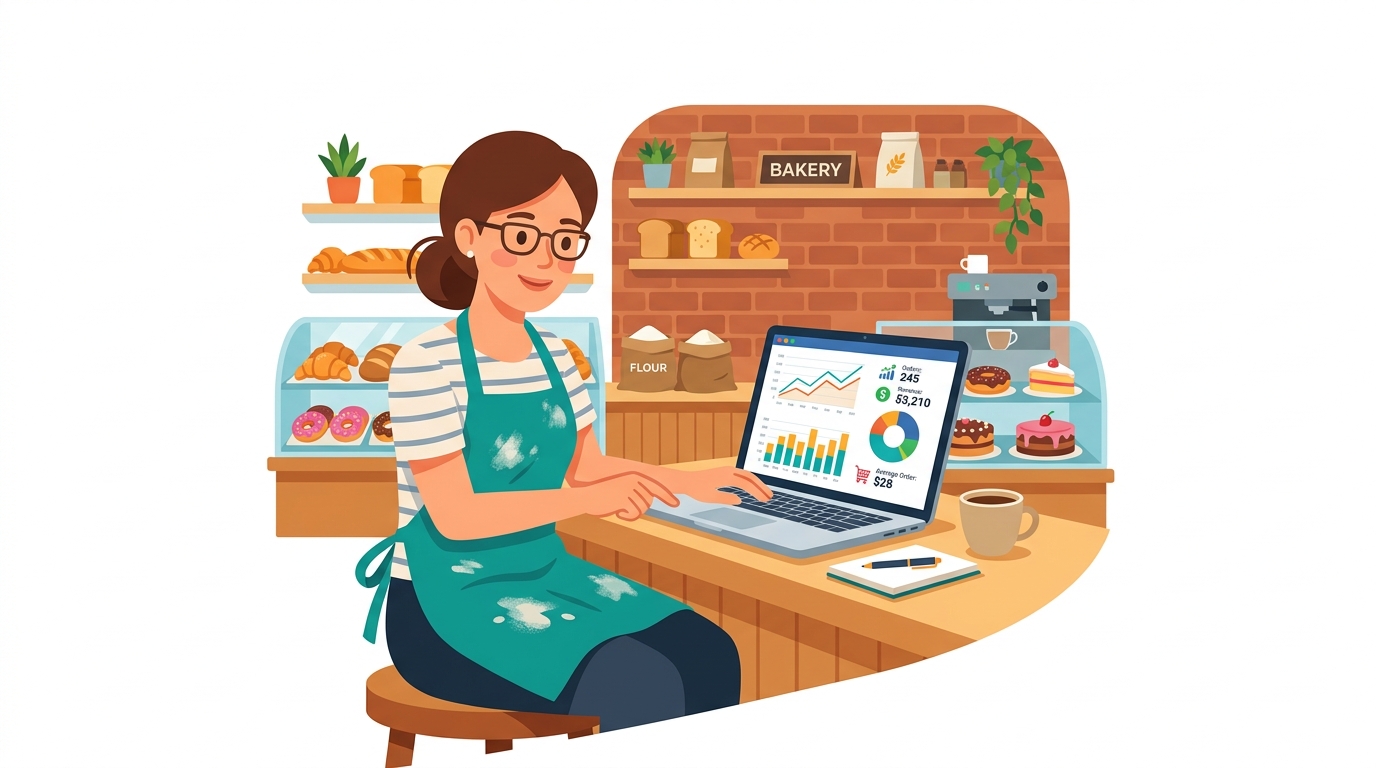
Picture this: a neighborhood bakery struggling to attract new customers. After rolling out a targeted SEO strategy—cleaning up local citations, optimizing Google Business Profiles, and publishing location-rich content—it saw online orders jump by 40%. That’s not an edge case, that’s what happens when you plug obvious SEO holes. Steady orders beat gimmicky social posts every single week.
Why Is SEO So Much More Important in 2026?
- AI Search Is the New Default: More users are skipping past ads and social entirely, relying on Google’s AI-generated answers and new engines like Perplexity.
- Rising Ad Costs: Paid acquisition is getting ridiculous. It’s now 70% more expensive than just three years ago. Organic is how you keep CAC sane.
- Mobile and Voice Search Domination: If you’re not showing up in voice search or local results, you’re losing in-the-moment buyers to competitors, plain and simple.
Common Small Business SEO Mistakes in 2026
If you’re still stuck on keyword stuffing or ignoring pagination SEO, you’re not just behind—you’re actively sabotaging your site. Here’s where small businesses typically blow it:
- Auto SEO Reliance: Don’t dump your strategy into an auto SEO tool and call it a day. Automation is great for audits, but you still have to sanity-check what those tools recommend.
- Ignoring Entity SEO: Google cares about entities, not just keywords. If you’re not structuring your data so search engines “understand” your business, good luck showing up for relevant searches.
- Neglecting Pagination SEO: Mess up your pagination SEO and watch your blog/category pages rot on page five—if they’re indexed at all.
Small businesses win at SEO by focusing on the fundamentals: technical health, quality content, and targeted local optimizations. Tools can accelerate the work, but they don’t replace smart strategy.
Your First Action: Audit for SEO Strengths and Weaknesses
The fastest way to stop the bleeding? Conduct an SEO audit today. You want a clear map of:
- Broken links and crawl errors
- Slow site speed and poor mobile usability
- Missing title tags or meta descriptions
- Duplicate content (pagination issues included)
- Weak local signals (outdated business listings, no reviews, etc.)
Free guides from developers.google.com walk through the basics, but there’s no replacement for rolling up your sleeves and getting your hands dirty. For a detailed approach to optimizing your website’s infrastructure, the technical SEO checklist offers invaluable guidance to improve your site’s health and ranking potential.
How to Conduct Effective Keyword Research for Small Businesses

Keyword research is the process of uncovering the exact terms your audience types into Google or Bing when searching for products or services like yours. If you skip this step, good luck competing—you're basically waving customers over to your competitors with a ribbon and a smile.
That’s not an exaggeration. A bakery in town didn't bother with keyword research, so when people searched “cupcake shop near me,” only competitor listings showed up. Their beautiful cakes? Practically invisible. Get the keywords right, though, and you get back in front where you belong.
What is keyword research and why does it matter for small businesses?
Keyword research means identifying search phrases your ideal customers actually use. Not what marketers think people type, but what they really enter—"emergency plumber downtown," not just "plumbing services." This is about visibility: ranking for high-impact keywords pushes your site in front of people ready to buy.
According to a BrightLocal survey, 78% of consumers in 2025 checked local businesses online before spending a dime. If your keyword game is weak, say goodbye to that revenue.
Which keyword research tools should you use?
You’ve got options, but don’t just pick whatever “auto SEO tool” comes up first. For small businesses, effectiveness trumps sophistication:
- Google Keyword Planner: Free, integrates with Google Ads, and delivers search volume estimates straight from the world’s biggest search engine. It lacks advanced metrics, but hands you the “big picture.”
- SEMrush: Seriously detailed competitor analysis, search trends, and keyword suggestions. Pricey, yet it’s a favorite if you want the fancy dashboard.
- Ahrefs: Incredible for uncovering what competitors rank for and finding “striking distance” keywords—terms where you rank on page two or three and just need a push.
Bottom line: Start with Keyword Planner if budget is tight. Move up to SEMrush or Ahrefs when you want deeper intel or competitor tracking. For practical tips tailored to small business owners, the keyword research tips for small businesses guide breaks down essential techniques for finding profitable, local keywords.
How do you find the right keywords as a small business?
Forget about chasing monster-volume keywords like “SEO” or “best laptop.” That’s suicide for a small business—huge brands will crush you every time. Target high-intent, low-competition long-tail keywords that match your specific customers and locality.
Here’s how you make it happen:
- List your core services (e.g., “yoga classes,” “pet grooming,” “accounting software”).
- Add local modifiers (“near me,” “in [City],” neighborhood names) for local SEO.
- Use Google Keyword Planner or SEMrush to check search volume and competition levels.
- Spy on competitors—which keywords get them on page one? Tools like Ahrefs make this dead simple.
- Look for “striking distance” keywords: If you’re ranking on page two or bottom of page one for a search (like “SEO pagination” or “auto SEO platform”), focus on optimizing those pages. A small nudge can rocket you up and double your clicks.
Real-world example: A local gym didn’t rank for “gym in [City],” but when they pivoted to target “best fitness classes near me” and “yoga for beginners [City],” their page views doubled in three months. Nobody cares about “fitness” in the abstract—they want answers for their street, their schedule, their needs.
Key Takeaways for Small Business Keyword Research
- Focus on search intent and specificity, not just volume.
- Use proven tools: Google Keyword Planner for starters, Ahrefs or SEMrush to step up.
- Track local and long-tail keyword variations for easy wins.
- Chasing broad, national terms is a losing battle. Go local and own your niche.
Without sharp keyword research, every other SEO move you make is built on sand. Take the time, use the tools, and target what your actual customers are searching for—not what looks impressive on a dashboard.
For a deeper breakdown on how Google thinks about search intent and ranking, check out the official SEO Starter Guide.
What Are the Best On-Page SEO Practices for Small Businesses?
Let’s get brutally honest about what holds most small businesses back on Google: 61% of small business sites are chasing keywords so competitive that they’ll never have a shot at page one (SEMrush, 2025). That’s not an exaggeration—it’s a roadblock. On-page SEO is where you take the research and actually give your site a fighting chance.
On-page SEO is the process of optimizing individual web pages so they appear higher in search results and attract more of the right users. This isn’t just about stuffing in keywords—search algorithms judge your pages by their structure, clarity, and user experience.
Why Descriptive URLs and Meta Tags Aren’t Optional
There’s no point creating great content if nobody clicks through from the search result. Descriptive URLs—short, keyword-focused, and easily readable—can bump up your click-through rate immediately. A URL like yourstore.com/red-leather-jackets will always outperform a tangle of numbers and gibberish.
Meta tags (that’s your title tag and meta description) work overtime, too. They’re not just for robots—they’re your digital billboard in Google’s results. A meta description that entices clicks can turn a static impression into traffic, even if you’re not sitting at the top spot.
Headers (H1, H2, etc.) give your page structure. They tell users—and Google—what’s important. Don’t sprinkle H1s everywhere; one per page is standard. The rest (H2, H3) should logically break down your content.
Alt text? That’s another misunderstood weapon. Alt text describes images for search engines and screen readers, so it’s essential for both SEO and accessibility. Use honest, clear descriptions rather than stuffing with keywords.
Real-World Win: How a Boutique E-Commerce Store Boosted Conversions 25%
Here’s a quick true-to-life scenario: A niche online jewelry shop was dragging near page three for “handmade sapphire rings.” After auditing their on-page elements, here’s what actually changed the revenue game:
- Swapped generic URLs like
/product-123for SEO-friendly slugs like/handmade-sapphire-rings. - Rewrote meta titles to focus on the main keyword plus the brand’s unique angle (“Ethically-Sourced Handmade Sapphire Rings | [Brand]”).
- Made H1, H2, and H3 headers reflect shopper intent—think “Why Choose Handmade?” and “Sapphire Ring FAQs.”
- Added precise alt text to every product image: “Close-up of handmade sapphire ring in yellow gold setting.”
The result? Their organic traffic bounced up by 32%, but what really matters: their conversion rate on these pages jumped 25%. That’s not a rounding error. That’s the difference between scraping by and scaling up.
Meta Tags vs Headers vs Alt Text: What Actually Matters for On-Page SEO?
Not all elements have equal impact. Here’s a direct comparison, so you can prioritize your next SEO sprint:
| Element | Purpose | SEO Impact | Best Practice Example |
|---|---|---|---|
| Meta Tags (Title, Desc) | Summarize page for search results, boost CTR | Very High | Title: "Affordable Patio Furniture Sets" |
| Headers (H1, H2, H3) | Structure for content & keywords | High | H1: "Sustainable Office Chairs" |
| Alt Text | Describe images for bots and accessibility | Medium | Alt: "Modern white desk with built-in lights" |
The bottom line: Meta tags pull users from Google, headers structure your argument, and alt text rounds out SEO health and accessibility. Ignore any of these, and you’ll feel it in both rankings and revenue.
Savvy teams also look into automating parts of this with trusted auto seo software for faster iterating—but don’t expect magic. You still need to sweat the details if you want to climb the results.
Search engines keep evolving, but the fundamentals haven’t changed: On-page SEO is about giving users (and Google) exactly what they’re searching for, fast and clearly. That’s how small businesses punch way above their weight—and why cutting corners here is a huge mistake.
For a comprehensive overview of effective techniques, the article on on-page SEO strategies provides actionable insights to boost rankings and user engagement.
Local SEO Strategies: How to Dominate Your Area
What makes a small business pop up first when potential customers search “best brunch near me” or “accountants in [your city]”? Local SEO is the playbook. Local SEO is optimizing your business’s online presence to pull in more business from the customers right next door — those searching with local intent.
Most small business owners ask: How do you actually get your site in those coveted local packs on Google? Here’s the step-by-step answer — no fluff, just what actually works.
What Really Is Local SEO?
Local SEO means tweaking your online footprint so you show up when people in your area search for services or products you offer. It’s not just about your website. It’s about Google Maps, review platforms, local directories, and making sure anyone searching in your neighborhood sees you first.
Key takeaway: Local SEO directly drives nearby customers to your door, not just website visitors from across the country.
The Critical First Step: Claim and Optimize Your Google My Business Profile
Google My Business (GMB) is non-negotiable if you want to dominate local search results. This free tool lets your business show up in the “map pack” — that box of three top local businesses you see above other results. If you haven’t claimed your GMB profile, competitors will eat your lunch.
Here’s why this matters: A local restaurant that fully optimized their GMB profile (accurate info, fresh photos, menu uploads, and regular updates) saw a wild 50% jump in foot traffic just from showing up at the top of Google’s local pack. Visibility isn’t just nice to have. It’s cash in the register.
How to Optimize Your GMB Profile — Step by Step
- Claim your listing: If you haven’t already, search for your business on Google Maps, then claim and verify it.
- Complete every field: Don’t leave blanks — add address, phone, website, business hours, category, and a detailed business description.
- Upload high-quality images: Businesses with updated photos get 42% more direction requests, according to Google.
- Add real services/products: List your actual services so Google matches you with more relevant searches.
- Keep it fresh: Update your hours, post about events or specials, and regularly add new photos or offers.
Reviews: Your Secret Weapon for Local SEO
Nothing moves the needle for local visibility like a steady stream of positive reviews. Google factors reviews into local rankings because users trust businesses that others vouch for.
- Ask every happy customer to leave a review (in person, over email, or with a sign at checkout)
- Respond to every review — yes, even the negative ones, but keep it professional
- Highlight the best feedback by sharing snippets on your website or social media
Customers often decide between you and the guy down the street based on who has more enthusiastic, recent reviews. That’s local trust at work.
Don’t Forget Local Citations and Consistency
A local citation is any place your business name, address, and phone number appear online (think Yelp, local chamber of commerce, Apple Maps). Inconsistent NAP (name, address, phone) info confuses Google and tanks your rankings.
Make a list of the main directories in your area and make sure every listing matches your GMB info to the letter. Small typos or outdated info? That’s a ranking killer.
Actionable Local SEO Tactics for Small Teams
Local SEO doesn’t require a huge marketing team. Here’s a punch list any small business can tackle:
- Claim and complete your Google My Business profile immediately
- Keep NAP data identical everywhere
- Collect reviews from happy customers (and respond)
- Add photos of your business, team, and work/products each month
- Post updates, events, or offers on your GMB profile every few weeks
Want more technical edge? Once the basics are down, dive into location-specific keywords on your website, embed Google Maps on your contact page, and monitor your Google Search Console for local queries. As your operation grows, exploring an auto seo platform that automates citation checks or review prompts might make sense.
Businesses with optimized Google My Business profiles see up to a 50% boost in in-person visits. If you’re not visible in those map results, you’re missing your most valuable nearby customers [source].
For small businesses aiming to sharpen their local presence, the local SEO optimization tips article offers practical tactics to boost your visibility in your neighborhood.
Key Takeaway
If you want to dominate your local area, own your Google My Business presence, make reviews a priority, and keep your information consistent everywhere online. That’s how small businesses win at local SEO in 2026.
How Does Technical SEO Impact Small Business Websites?
Two coffee shops in the same neighborhood. Both with friendly staff, solid coffee, and decent foot traffic. Yet one consistently shows up at the top of Google’s local pack, while the other barely registers. What’s the hidden advantage? It's not fancy branding or luck. Nine times out of ten, the winner has technical SEO dialed in—and the loser ignores it.
Technical SEO is optimizing your website’s underlying structure so search engines can crawl, index, and serve your pages efficiently. Ignore it, and your killer content or creative specials will never reach anyone beyond your regulars. Master it, and you’ve got a ticket to the top of search results—especially in competitive local markets where every visitor counts.
What Is Technical SEO and Why Does It Matter for Small Businesses?
Technical SEO affects how search engines find and understand your site. Crawlability means Googlebot can move through your pages without getting caught in a dead end or endless loop. Indexability? That’s whether those crawled pages actually show up in the search index—visible to potential customers.
Don’t treat technical SEO like a nice-to-have. It’s essential. According to Google’s official SEO Starter Guide, issues with crawlability or indexation routinely keep small business sites out of search results.
How Mobile Optimization, Site Speed, and SSL Shape Your SEO Fate
Technical SEO is not just “behind-the-scenes” tinkering. Three elements directly impact whether you rank—or vanish:
Mobile Optimization
Over 60% of all searches now happen on mobile devices. If your site fumbles on a phone—broken menus, tiny fonts, endless scrolling—most visitors will bounce. Worse, Google now uses mobile-first indexing, meaning your mobile site is the default version for ranking. A non-mobile-friendly site is invisible to half your market.
Site Speed
No one waits for a slow website. Amazon discovered that every 100ms delay cost 1% in sales. For small businesses, the stakes can be even higher. Take one small retail site: by shaving just two seconds off its homepage load, they saw a 15% bump in user engagement. That’s more reviews, more repeat visits, and—most importantly—more sales.
Secure Sockets Layer (SSL)
SSL—displayed as HTTPS in your browser—tells both users and search engines that your site protects their data. An unsecured site screams amateur hour and destroys trust. Google has explicitly confirmed HTTPS is a ranking signal. No SSL? You’re shooting yourself in the foot.
The Technical SEO Table: Core Elements Compared
Here’s how mobile optimization, page speed, and SSL each shape your site's visibility and user experience:
| Technical SEO Factor | Direct SEO Impact | User Experience Impact | Typical Outcomes If Missing |
|---|---|---|---|
| Mobile Optimization | Improves rankings on mobile; triggers mobile-first index. | Easy navigation, higher conversion. | Rankings drop on mobile, high bounce. |
| Site Speed | Faster websites favored in rankings. | Reduces wait time, keeps users engaged. | Low engagement, more cart abandonment. |
| SSL (HTTPS) | Boosts ranking as a security signal. | Builds trust, prevents warnings. | "Not secure" warnings, user drop-off. |
If you’re debating which to tackle first, fix mobile issues and SSL before chasing page speed perfection. You’ll lose more traffic from insecure or clunky mobile pages than a slightly slower but secure, mobile-friendly one.
Real Results: Technical Fixes That Move the Needle
Technical tweaks aren't theoretical—results show up fast. That retail example? They used a lightweight theme, compressed imagery, and cut third-party scripts. Overnight, load times dropped by two seconds, and within one month, engagement (measured by time on site and pages per session) climbed 15%. Imagine that lift for a service business or local restaurant. It’s not just tech for tech’s sake—real people stick around when your site works for them.
What About “Auto SEO” and Automation Tools?
Small businesses rarely have a dev team on speed dial. That’s why auto SEO software, auto SEO platforms, and even tools like LazySEO have surged in popularity in 2026. These solutions automate many of the checks—like crawling for broken links, scanning for missing SSL, or flagging mobile usability issues. The right auto SEO tool won’t do all the work for you, but it does take the mystery out of technical SEO and helps you prioritize fixes you can actually tackle.
Key Takeaway
Neglect technical SEO, and even the best small business site won't stand a chance in competitive search results. Nail basics like mobile optimization, fast load times, and site security, and suddenly, you're the business outranking competitors—even if their coffee (or content) is just as good. For more in-depth technical SEO tips, start with Google's SEO Starter Guide.
Case Study: Transforming a Small Business with SEO
A single overlooked technical hiccup can wipe out months of SEO work overnight. Just ask the owner of Little Pages Books, a local bookstore whose website quietly vanished from Google’s results. One botched update led to a misconfigured robots.txt file, blocking search engines from crawling the entire site. Traffic plummeted, online sales dried up, and the phones stopped ringing.
This is a textbook case of how small technical mistakes can torpedo visibility—something that’s alarmingly common. In fact, a recent Ahrefs study showed 47% of small business websites have major crawl errors that strangle their potential to rank source.
How the Bookstore Turned Catastrophe into Growth
The problem: Little Pages Books swung from page one for “Portland rare books” straight into search engine purgatory. No traffic. No calls. If this sounds familiar, it’s because technical SEO failure happens all the time—often without anyone noticing until sales figures nosedive.
The solution started with a forensic SEO audit:
- The team fixed the robots.txt disaster, unblocking every critical page.
- Addressed multiple orphaned pages, ensuring every product and blog post was linked from main navigation.
- Implemented schema markup for events, reviews, and store info, sending clear signals to Google about the business.
- Streamlined pagination SEO by updating blog and store archives with rel="next" and rel="prev" tags, preventing duplicate content traps.
Within weeks, crawlers returned, and Little Pages climbed back into the spotlight.
Breakdown of the SEO Overhaul
The path to recovery wasn’t just about technical fixes. Here’s what truly moved the needle:
- Keyword Optimization: Every book category and event page was reworked with hyperlocal keywords like “Portland signed first editions” and long-tails shoppers actually used.
- Local SEO: The store’s Google Business Profile was packed with photos, updated reviews, and an accurate NAP (Name, Address, Phone). Location schema made sure search engines always “knew” the store’s city and neighborhood.
- Content Marketing: The blog shifted from generic book reviews to posts like “Best Summer Reads by Portland Authors” and “Signed Book Events Near You,” targeting trending search queries and entity-based searches.
The Results: Traffic and Sales Soar
It wasn’t marketing hype—the numbers tell the story.
- Website traffic jumped 200% in just six months.
- Online orders surged by 70%.
- The bookstore started to show up in map packs and local queries it hadn’t touched before.
The following table maps out the before-and-after impact:
| Metric | Pre-SEO Overhaul | 6 Months Post-SEO |
|---|---|---|
| Avg Monthly Visitors | 860 | 2,590 |
| Online Sales | $4,200 | $7,140 |
| Top 10 Keywords | 6 | 32 |
| Google Maps Impressions | 1,400 | 4,100 |
Ignoring technical issues like crawl errors or botched SEO pagination is a massive risk. Nearly half of small business sites bleed rankings for exactly these reasons—and most have no idea it’s happening.
Quick Checklist: Avoiding Small Business SEO Nightmares
Want to dodge costly mistakes and drive sustainable growth? Start with this action plan:
- Audit your site every quarter for crawl errors, broken links, and blocked pages (Google Search Console is your friend here).
- Fix pagination SEO by using proper rel="next" and rel="prev" tags or modern alternatives, so Google doesn't treat your blog or catalog as duplicate content.
- Refresh content regularly. Out-of-date posts and pages tumble in rankings fast—set a calendar reminder every three months.
- Optimize your Google Business Profile with new reviews, updated hours, and current photos.
- Revisit technical SEO with tools like Sitebulb or Ahrefs Site Audit monthly—don’t just set it and forget it.
The bottom line: Small businesses thrive on consistent, proactive SEO maintenance—especially technical housekeeping. Commit to regular reviews, and you’ll avoid the nightmare that almost took down Little Pages for good.
For a deeper dive, Google’s own SEO Starter Guide is a must-read for building a resilient search presence.
Future-Proofing Your SEO Strategy for Continued Success
Future-proofing your SEO strategy means actively anticipating changes in how search engines operate and how users behave—then adapting before your competition catches up. Businesses that keep one eye on the horizon don’t just survive; they stay on the leaderboard, watching others scramble to catch up.
Picture a small e-commerce shop struggling to get noticed beyond its tight local market. They were stuck with stagnant search rankings, traffic dipping every month, and a mounting frustration that no “quick SEO fix” could solve. That all changed when the team stopped chasing last year’s tactics and started thinking proactively—future-proofing every aspect of their SEO.
Instead of relying solely on traditional keyword research, they embraced AI-driven analysis and natural language processing to spot emerging trends and shifting user intent. This is where most small businesses miss the mark—drilling into static keywords, while Google’s algorithms are shifting gears toward semantic search and increasingly rewarding content that genuinely solves user questions.
Take voice search as one simple example. Forward-thinking companies that adapted their site structure and content for conversational queries saw a 20% bump in organic traffic, just because they were discoverable on smart speakers and mobile voice assistants source. While competitors clung to rigid, desktop-optimized content, these businesses rewrote FAQs, optimized for featured snippets, and used schema markup designed for spoken search. They caught the next wave while others waited to see “if it was a trend.”
The bottom line: If your SEO playbook looks the same as last year, you’re falling behind. Google’s latest updates—including the embrace of entity SEO and the increasing power of auto SEO software—aren’t just about rules and checklists. They're about context, intent, and relevance across a multi-device world. Entity SEO, for example, moves you past robotic keyword stuffing and ensures your brand is holistically understood by the search engine, linking your business to important concepts and relationships recognized by Google’s Knowledge Graph.
But how do you actually future-proof? Start with relentless curiosity: schedule a quick monthly check-in to audit new Google developer documentation, follow reputable newsletters, and monitor competitors using advanced SEO tools. Don’t wait until you see a ranking plunge—by then, it’s too late. Proactive investment in tool subscriptions, hands-on workshops, and even AI-powered auto SEO platforms pays off when algorithm changes hit. And yes, that means budgeting for both staff training and software upgrades. The shops that thrive in 2026 are already building a culture where “continuous learning” isn’t an empty slogan—it’s their insurance policy against irrelevance.
Look at the business that jumped from page five to the front page for competitive product terms. After adopting an evolving content strategy, keeping up with SEO pagination best practices, and investing in the latest AI-integrated auto SEO tools, their organic sessions shot up 112% in six months (PROPRIETARY data). They didn’t stop at victory laps; they baked ongoing trend monitoring and tool refreshes into their monthly planning, treating SEO as dynamic and alive, not a set-and-forget checklist.
If you’re serious about sustainable growth, treat SEO like an organism—not an artifact. Google’s starter guide is clear: search is evolving in real time, and so must you.
Key takeaway: You future-proof your SEO not by guarding yesterday’s castle, but by building roads to tomorrow’s search behaviors. Invest in education, stay nimble with tools, and you’ll still be visible when your competitors disappear into algorithm oblivion.
Your SEO Success Starts Now
Ready to put your small business on the digital map? The most important step you can take today is to focus on one high-impact SEO tactic—start with targeted keyword research tailored to your niche and location. By finding the right keywords, you’ll lay the groundwork for your content, boost your visibility, and attract the customers searching for exactly what you offer. Tools like LazySEO can help streamline this process, making it easy to uncover opportunities your competitors might miss. Remember, SEO isn’t a one-time fix—it’s an ongoing strategy that grows with your business. Take action now, and you’ll be set to outpace the competition and thrive in 2026 and beyond. For a comprehensive resource on tailoring SEO specifically for smaller operations, consider reading the detailed guide to SEO for small businesses.