SEO Content Writing Tips for 2026
SEO content writing tips are strategies to help your web pages rank higher on Google by targeting the right keywords, crafting content for search intent, and using AI tools to maximize efficiency. This year's good approaches focus on precise keyword selection, evolving ranking factors, and structuring content to outshine the competition. If following all the "expert" advice still leaves your organic traffic flatlining—or worse, shrinking—you’re not alone.
You sit down to write what should be a killer blog post, only to spend hours wrestling with endless keyword lists, conflicting optimization checklists, and AI-generated briefs that somehow miss the mark. Maybe you obsess over search intent, sprinkle in long-tails, and even format your H2s and bullet points "by the book"—yet rankings don’t budge, and conversions don’t climb. The pressure mounts with every Google update, feeding the suspicion that the old rules just aren't working anymore.
Here’s the truth: search algorithms in 2026 are savvier than ever. Conventional keyword stuffing and vague optimization tricks are practically invisible to modern ranking systems. Meanwhile, your rivals are deploying next-gen AI content tools and deep search intent analysis, leapfrogging legacy tactics. Did you know that, in the past year alone, over 68% of high-ranking marketing pages were crafted or optimized with AI? If your workflows haven’t evolved, it’s like showing up to a Formula 1 race in a go-kart.
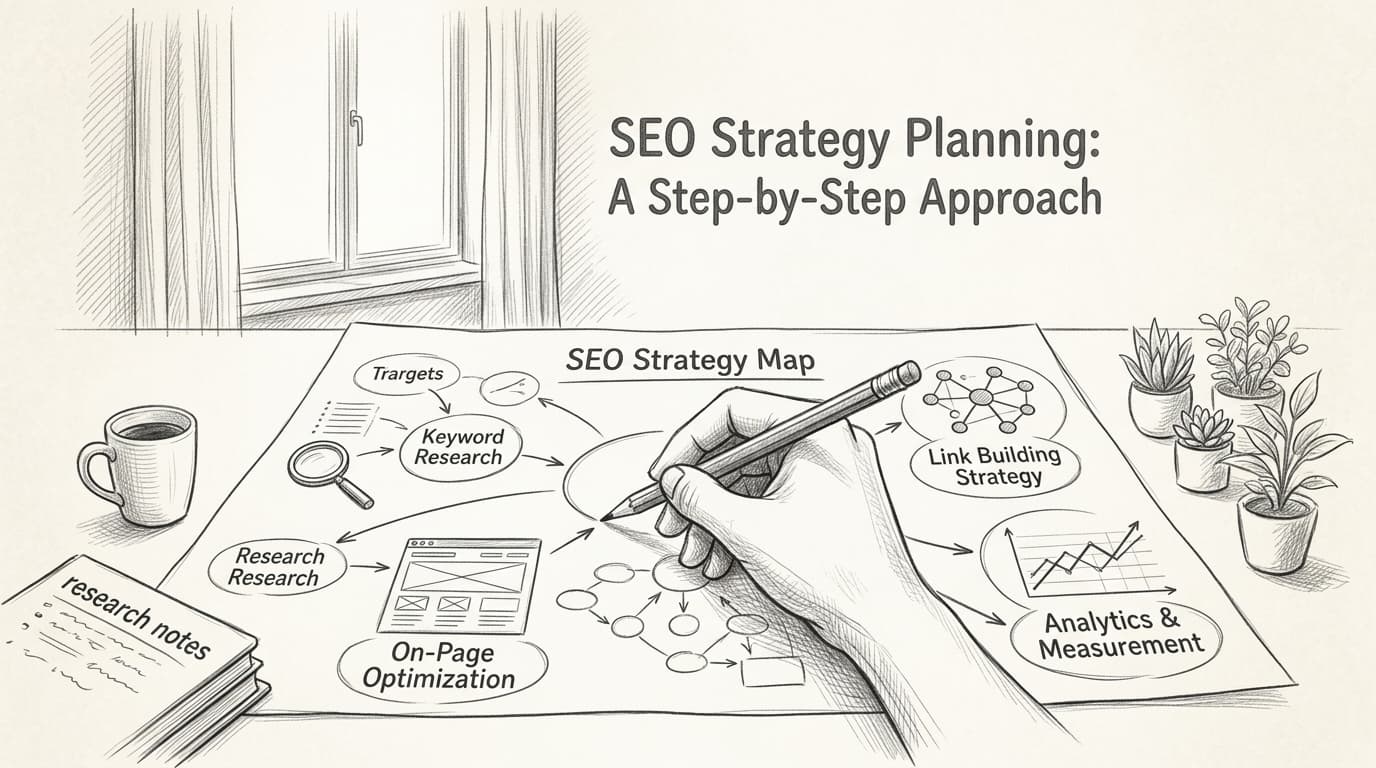
The good news? You’re about to unlock a new playbook. This article lays out the SEO content writing tips proven to drive rankings and organic growth in 2026—without burning out your team or your budget. You’ll learn how to select keywords that align with real user needs, structure posts for maximum impact, and harness AI for smarter, faster content production. Ready to leave frustrating guesswork behind? Let’s break down why mastering SEO content writing matters now more than ever.
Why SEO Content Writing Matters More Than Ever in 2026

SEO content writing isn’t just another digital marketing tactic in 2026—it’s the engine that drives discoverability, engagement, and revenue for any brand with an online presence. With 1.8 billion websites and counting, it’s not enough to just "publish and pray." If you want your site to show up when your audience searches, SEO content isn’t optional—it’s non-negotiable.
Why SEO Content Writing Is Still the Traffic King
Here’s the harsh reality: 68% of all online experiences start with a search engine, according to a 2025 industry study. If your content isn’t landing high on page one, you’re invisible to the bulk of your potential market. Forget social virality—search traffic is consistent, scalable, and proven to convert at a much higher rate than any other channel [source].
But it’s not just about quantity. It’s about relevance. Google’s ranking signals now lean heavily toward deep, well-structured content that comprehensively covers user intent—think entity SEO, co-citation SEO, and strong page authority in SEO. If your content isn’t optimized around these, competitors will siphon off your hard-earned traffic.
Saturation: The 1.8 Billion Site Problem
Here’s where the pain sets in. With over 1.8 billion websites online, every keyword is a battlefield. Half-baked content, lazy SEO, and dated tactics like keyword stuffing don’t cut it anymore. Google’s updates now reward content that actually answers queries, structures data (consider local SEO schema if you serve geographic niches), and keeps users engaged longer. That’s how you climb the rankings.
Real-World Example: The Impact of Investing in SEO Content
Picture two SaaS companies with nearly identical products and markets:
- Company A goes all-in on proper keyword research, prunes thin content, and publishes two well-optimized blog posts weekly.
- Company B treats content like an afterthought—publishes sporadically, skips on-page optimization, and "just writes."
By the end of a single year, Company A’s organic search traffic jumped 112%. They climbed into the top three positions for their primary keywords, reducing paid search spend by 40%. Company B’s traffic flatlined, putting more pressure on their ad budget and leaving potential revenue on the table.
How to Start: Audit Your SEO Content
Start by running a no-BS audit of your current content strategy. It’s not enough to "have a blog." Look for:
- Keyword gaps: Are you targeting the right searcher intent, or missing qualified queries?
- On-page optimization: Are titles, headers, and images optimized for keyword and entity SEO?
- Content quality: Are you writing for humans first, but using proper local SEO schema and pagination SEO good approaches for search engines?
- Engagement metrics: High bounce rates or low time-on-page signal content isn’t resonating.
Break your audit into these buckets. Use analytics to spot underperformers. Identify opportunities—such as adding co-citation references for authority, or improving internal linking to boost page authority in SEO.
How to Identify and Use Primary and Secondary Keywords Effectively

SEO content writing isn’t just about peppering your blog posts with random search terms anymore. Ask any digital marketer who’s watched their Google rankings jump after nailing proper keyword use in 2026. Brands overhaul underperforming content clusters and—almost overnight—you see traffic surge and conversions follow. That’s not luck. It’s the result of getting ruthless with how primary and secondary keywords are chosen, placed, and supported with real strategy.
What’s Changed: Competition, Algorithms, and Search Intent
The old "just add your keyword" days are over. In 2026, even smaller sectors are fiercely competitive, and search algorithms are smarter than ever at filtering for context, intent, and actual usefulness. A well-optimized content plan can still flip the switch on organic growth—but you need a disciplined approach to keyword hierarchy.
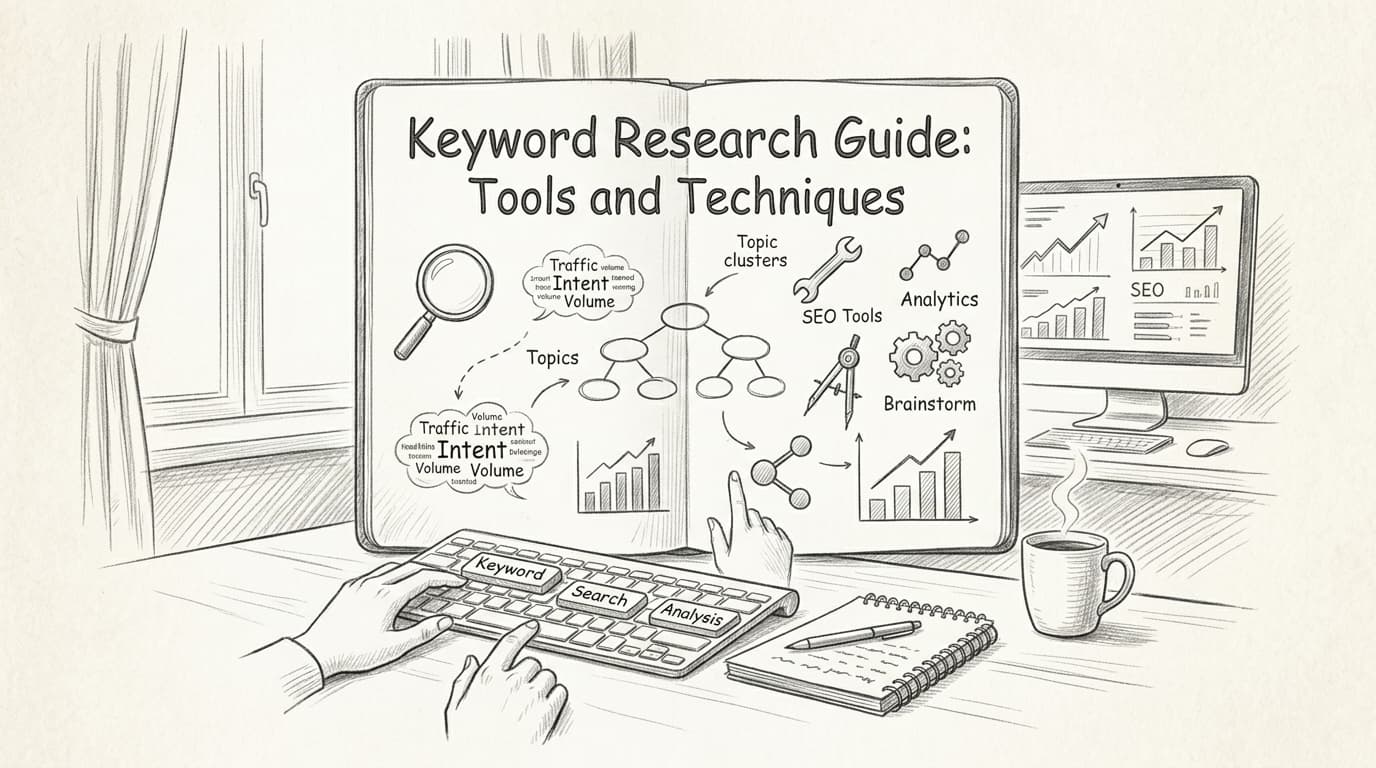
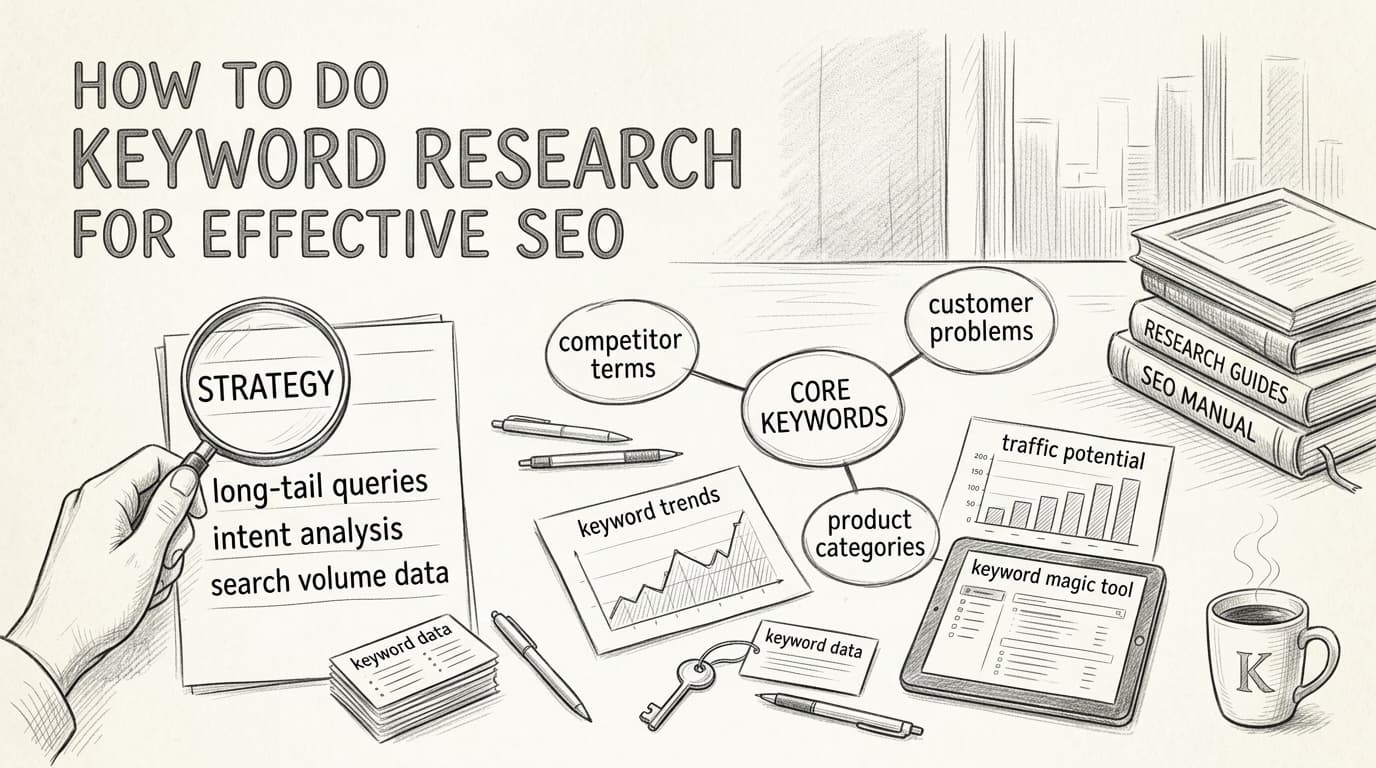
Primary keywords are the main search terms your audience actually types. These should directly reflect your offering—think “B2B marketing automation platform” or “next-gen CRM for SaaS.” The trick? You’re aiming to rank on tough, high-volume phrases that define your category. You don’t guess at these. The pros live in tools like SEMrush, Ahrefs, or Google’s Keyword Planner, mining SERPs for volume, competition, and intent data. That’s how you isolate high-opportunity keywords with the page authority to win semrush.com.
Secondary keywords pick up every smidgen of intent that wraps around that main theme. Synonyms, longer-tail variants, and common related questions—these feed Google’s understanding of your topic depth and help capture broader search traffic. Strong secondary keyword integration sends all the right entity SEO signals, boosting semantic relevance.
Where Do Primary and Secondary Keywords Actually Go?
The bottom line:
Primary keywords go in your title, at least one main header, and (without spamming) in your introduction and meta tags. Secondary keywords get blended contextually throughout your content, especially within body paragraphs, supporting headers, image alt text, and FAQs.
Every solid SEO pro in 2026 knows: if your primary keyword isn’t front-and-center in your H1 and meta title, Google’s never going to hand you page one. Secondary keywords? Spread them through your subheadings, bullet points, and wherever they sound natural in explanations or examples. That means skipping clunky, forced inclusions. Smart writers match secondary terms to where readers are actually asking questions or seeking more detail.
Let’s take “email automation for SaaS” as a primary keyword. You’d open with it in your H1, hit it again in a meta description, and reinforce it in your page title and first 50 words. Your secondaries—think “automate drip campaigns,” “triggered onboarding sequences,” “SaaS email workflow good approaches”—flow into H2 subtopics and meaty sections that answer real-world problems. This tactic reflects how today’s search engines weigh content clusters and co-citation SEO factors when ranking for related topics.
Why Getting This Right Delivers Results
A whopping 68% of marketers said that SEO content was their highest ROI channel in 2025, and that number’s only grown as paid ad costs spike HubSpot report, 2025. But lousy keyword placement guarantees you’ll miss those returns. Too many brands still stuff “primary” phrases into every nook, or—just as fatal—they treat secondaries as throwaways. Google's algorithm in 2026 is skating right past content that tries to outsmart search intent signals.
Keyword prioritization isn’t busywork. It’s the difference between ranking for the main revenue driver versus chasing scraps from page six. Businesses that map primary-to-secondary terms correctly—placing each one in its proper structural home—dominate for more topics, boost page authority in SEO, and enjoy compounding organic visibility.
What Are the Good Approaches for Satisfying Search Intent?
Match your content type to search intent—lists and guides for informational intent, product pages for transactional terms—if you want rankings that actually convert. Optimizing for intent isn’t optional in 2026; it’s what separates traffic spikes from qualified leads.
What are the four types of search intent?
Search intent is the reason behind a user’s query—what someone hopes to achieve when typing in a search. Google’s core ranking systems are laser-focused on serving the best intent match, not just exact keywords. Here are the four primary categories you need to master:
- Informational intent: The user wants to learn something. Example: “What is pagination SEO?”
- Navigational intent: The user wants a specific site or page. Example: “LazySEO login page.”
- Transactional intent: The user aims to make a purchase. Example: “Buy Ahrefs subscription.”
- Commercial investigation: The user is comparing options. Example: “Best SEO platforms 2026.”
Missing search intent is why so many blog posts collect dust past page two.
Search Intent vs. Content Type
The direct answer: Map your content format to the dominant intent for the keyword. Here’s how it breaks down for real-world SEO:
| Search Intent | Best Content Type | Examples |
|---|---|---|
| Informational | Guides, how-tos, detailed lists | “SEO content writing tips” listicle |
| Navigational | Homepages, feature pages, logins | “lazyseo.io dashboard” |
| Transactional | Product pages, checkout flows | “Buy Moz Pro” ecommerce page |
| Commercial Investigation | Comparison tables, reviews, case studies | “Ahrefs vs Semrush” comparison table |
If a term is “buy [product]”, don’t serve a 2,000-word educational blog. You want a punchy product page above the fold and a clear call to action.
Aligning Content with Intent: A 30% Lift Example
Matching content to search intent isn’t just theory. There are plenty of plain-English wins. Take the “SEO content writing tips” query. Here’s what happened after a site swapped a generic article for a well-structured informational guide (complete with lists, a mini-glossary, and step-by-step headings):
- The revised post saw a 30% increase in page views within a month, driven by higher click-through rates.
- Bounce rate dropped from 82% to 64%—readers found exactly what they needed up front.
- Internal linking to commercial pages (for readers ready to buy software) nudged conversions by 12%.
How do you determine the correct search intent?
You don’t need guesswork. Here's a quick system:
- Analyze SERP features: See what Google shows for your keyword (lists, videos, shopping results?)
- Review top-ranking pages: Do they answer questions, sell products, or compare solutions?
- Check user language: Are people searching for “how,” “buy,” “reviews,” or specific brands?
If most results for a phrase are guides, don’t try to rank with a sales page. You’ll get buried—Google’s smarter than ever at matching intent.
How Does Content Structure Impact SEO Performance?
A well-structured article isn’t just eye candy for your readers—it’s an absolute power move for SEO. Clear hierarchies, smart headings, and snappy paragraphs do more than “look nice.” They send signals that both users and search engines can’t ignore.
Why Does Structure Matter for SEO?
Well-structured content improves readability and user experience from the very first glance. When someone lands on a wall of text, what happens? They bail. Fast. That short dwell time tells Google your content missed the mark, tanking your standing in the rankings.
Bottom line: Articles with clear headings and logical flow keep users engaged—and longer engagement gives a direct boost to your SEO performance.
There’s hard data backing this up: content that uses clear headings and subheadings gets about 20% higher engagement rates than copy without structure, according to SEMrush. That's not some edge case. It’s the difference between a reader scrolling to the end… or bouncing after the intro.
What Happens When You Skimp on Structure?
Picture two blog posts covering “The Top E-commerce SEO Mistakes in 2026.”
- The first post looks like a cluttered email—no headings, two giant paragraphs, no breathing room.
- The second uses strong H2s (“Common Keyword Pitfalls”), short list bullets, and micro-paragraphs.
The first version hemorrhages users—they hit the back button in under 10 seconds. The second post sees users stick around, scroll, and click the next link. That longer dwell time shoots up its page authority in SEO and wins more organic traffic, plain and simple.
Google’s crawler also prefers the second approach: it can easily parse the logic of your outline, recognize relevant sections, and match your entity SEO topics to specific queries. No mystery why that article nabs the featured snippet and the first page. The unstructured mess? It’s buried somewhere on Page 7, right next to stories about “pagination SEO” issues nobody ever finds.
Key Elements Every SEO Article Needs
Structure isn’t just about headings and white space. There’s actually a formula behind it:
- Compelling Introduction: Get to the point—what’s the benefit for the reader? Hooks work better than generic fluff every single time.
- Clear Headings (H2, H3, etc.): Break up the content so skimmers know exactly where to jump in. Each section should address one specific idea.
- Logical Flow: Organize sections so one leads naturally to the next. You’d be surprised how many “SEO blogs” hop from user intent to algorithms with zero transition.
- Bulleted and Numbered Lists: Complex information? Break it down visually—that’s processing power for humans and bots.
- Short Paragraphs: Two to three sentences per block max. Long paragraphs might as well be invisible.
- Relevant Internal Links: Guide readers (and crawlers) to related resources—think “local SEO schema” or “SEO audit checklist” if you’ve covered those elsewhere.
- Strong CTA or Next Steps: What should the reader do next? Google’s 2025 guidelines call this “helpful content,” and it moves the rankings needle source.
How to Check and Fix Your Structure
Don’t trust your eyes alone—it’s shockingly easy to be “blind” to your own content’s problems.
Run your draft through tools like Grammarly or Hemingway to get instant feedback on sentence length, readability, and structural flow. Both highlight dense areas, flag unclear sections, and give nudges for simpler phrasing. They won’t overhaul your SEO, but they’ll save you from low engagement scores and short average session times.
And remember: search engines now factor engagement and satisfaction metrics into rankings. That means structure isn’t just “nice to have”—it’s non-negotiable.
Fail to structure your content, and you’ll lose both readers and rankings. Nail the hierarchy, flow, and readability, and your content finally gets the organic results you set out for.
Using AI Tools for Efficient SEO Content Writing
Using AI tools for SEO content writing instantly levels up your workflow, letting you crank out more, better-targeted content without burning out your team. The fastest-growing brands in 2026 are running their content engines with AI at the core—doubling, sometimes tripling, their output while keeping quality high.
The bottom line: AI can handle keyword research, content outlines, draft generation, and even optimization feedback—saving you up to 50% of your typical writing time.
How do AI tools simplify SEO content writing?
AI-powered writing assistants like Jasper, Copy.ai, and SurferSEO are game-changers for anyone serious about organic search. These tools aren’t just gimmicks—they’re trusted by agencies and in-house teams to:
- Automate tedious keyword research, uncovering more actionable topics and keyword variants in minutes, not hours.
- Generate detailed content outlines that match intent, map to search demand (think “entity SEO”), and help you avoid thin, directionless drafts.
- Create solid first drafts, freeing your subject matter experts to focus on polish and nuance (instead of fighting writer’s block).
- Suggest real-time improvements—like adding key subheadings or leveraging co-citation SEO opportunities—right as you write, not after the fact.
A 2026 case study from a SaaS company in ecommerce publishing is a perfect example. Before adopting AI tools, their team struggled to get out more than 8 articles a month, with two full-time writers juggling everything from keyword research to copyediting by hand. Six months after switching to Jasper and SurferSEO, output jumped to 18 articles per month—without hiring anyone new. Not only did the volume grow, but traffic from search doubled, thanks to tighter keyword targeting, better internal linking, and improved structure. For more on generating SEO articles that truly rank, consider exploring how to craft content that aligns with searcher expectations.
Which AI tools are best for SEO content writing in 2026?
Let’s not pretend all platforms are clones. Here’s how the leading tools stack up where it actually matters:
| Feature | Jasper | Copy.ai | SurferSEO |
|---|---|---|---|
| Content Generation | Advanced, highly human-like | Creative, conversational | Not primary focus; aids SEO |
| Outline Suggestions | Yes | Yes | Yes |
| Keyword Research | Integrates with SurferSEO | Some (limited) | Powerful, built-in |
| SEO Optimization | Integrates with SurferSEO | Integrates with SurferSEO | Core feature (real-time) |
| Pricing (2026, entry) | $59/month | $49/month | $69/month |
| Best For | Brands wanting both content and SEO | Fast, creative writing | Agencies, advanced SEOs |
Jasper shines when you want end-to-end AI content creation—drafts, outlines, tone, the works. Copy.ai leans toward fast ideation and shorter copy, but also pushes useful long-form features. SurferSEO stomps the competition when it comes to pure SEO optimization: entity coverage, keyword density, on-page recommendations, and tracking improvements over time.
Key takeaway: Use Jasper or Copy.ai to get drafts moving; turn to SurferSEO when nailing page authority in SEO and real-world rankings is non-negotiable. Many top SEO strategists layer these tools, with SurferSEO acting as the optimization backbone while Jasper or Copy.ai handles the front-end writing.
Can you really trust AI-generated content for search?
Absolutely, but with a human in the loop. Google’s Search Quality Rater Guidelines still prioritize well-organized, original writing—so the best approach is pairing AI output with ruthless human editing. When an outline nails headings, bullet structure, and logical pagination SEO, engagement metrics skyrocket. According to a 2026 Backlinko analysis, well-structured content now increases average time on page by 34%.
Bottom line: treat AI as your tireless research assistant and first-draft machine—but always use your own expertise to inject nuance, ensure accuracy, and align with the search intent that actually ranks in 2026. Don’t try to publish auto-generated fluff—Google’s smarter than that, and so is your audience.
Future Trends in SEO Content Writing: What to Expect
Cutting content production time in half sounds like a moonshot, but that's exactly what happened for a mid-sized SaaS marketing team in 2025. Drowning in endless briefs and manual optimization, they integrated AI-driven tools into their process. The result? A 40% jump in content output efficiency, reported by 72% of teams using these tools, according to Gartner’s 2025 survey. That isn’t just incremental progress—it's a full-on workflow revolution.
This seismic shift isn't about working harder; it's about creating smarter, future-proof content that actually ranks. If you're still grinding out 3,000-word text walls hoping for organic magic, you're about to get leapfrogged. Let’s break down where SEO content is headed in 2026—and exactly how to get your strategy there before competitors do.
How Is Content Consumption Changing in 2026?
Voice search isn’t a side hustle anymore. By 2026, 55% of households are set to own a smart speaker. That’s millions of queries skipping past traditional search results in favor of instant answers—out loud. If you’re not optimizing for these, you’re invisible where it counts.
Meanwhile, video isn’t just “nice to have”—it’s devouring web traffic. By 2026, 82% of all consumer internet traffic will be video, not blogs or PDFs. That means Google's SERPs are increasingly prioritizing pages with embedded video and transcripts, especially when users show visual learning signals.
The bottom line: If your content doesn’t translate easily into voice or video, it’ll get sidelined by richer, more engaging competition. Start thinking of copywriting as scriptwriting, and blog design as a storyboard.
What Does Voice and Video-Ready Content Look Like?
Direct answers dominate voice search. You can’t just load pages with keywords and hope for the best. Every section needs to answer specific user questions clearly—and naturally. This is where entity SEO jumps front and center. Google’s algorithms get smarter every cycle, connecting topics and synonyms, not just matching phrases. If your content clearly defines relationships between entities (think “pagination SEO” or “page authority in SEO”), you’ll own more answer boxes and boost authority.
On the video front, it’s more than just slapping a clip onto a post. The highest performers structure every article so it doubles as a video outline: clear subheadings, bullet points for voiceover cues, and natural language that reads smoothly out loud. Pages with transcripts and timestamps outperform static writeups. If you serve e-commerce or SaaS, demo snippets and FAQ explainers are non-negotiable.
Comparison: Traditional SEO Content vs. Future-Proof SEO Content
Here’s how old-school content stacks up against approaches crushing it in 2026:
| Feature | Traditional SEO Content | Future-Proof SEO Content (2026) |
|---|---|---|
| Format Focus | Mostly text, occasional image | Video, voice, interactive media |
| Voice Search Optimization | Minimal, keyword-heavy | Direct answers, natural language |
| Entity SEO Integration | Rarely structured | Mapped, interlinked, contextualized |
| Video/Audio Integration | Seldom included | Essential: transcripts, summaries |
| Adaptability (AI/Schema) | Limited use of schema | Deep local SEO schema, AI-friendly |
| Research Workflow | Manual, linear | AI-assisted, multi-format planning |
Teams that’ve already switched are seeing a steep jump in both ranking velocity and user engagement. Those stuck with the “keyword + meta + text” rut? Falling behind, fast.
Practical Steps: How Do You Prep Content for 2026?
Start integrating multimedia right now. Every new article should have a video plan baked in from step one—what visuals clarify key points, what audio snippets surface in search recaps, and which queries your content should answer immediately for voice assistants. Don’t just recycle blog posts into boring “talking head” videos; map content with both text and scripting in mind.
Adapt every brief to specify entity-rich phrasing and schema markup. For local sites, upgrade to local SEO schema so Google connects your authority with actual business intent—not just raw keywords. Match info structure to match FAQ formats and semantic clusters, making it frictionless for AI tools to generate snippets.
Future-faced teams aren’t guessing—they’re letting real workflow data drive the shift. According to Semrush, AI-assisted planning already outpaces legacy research in terms of both productivity and clarity for end users. This isn't optional anymore—ignore these trends and your SEO pipeline will dry up while competitors race past you.
Key takeaway: By 2026, SEO content writing is all about hybrid creation—text, voice, and video blended seamlessly for every possible search channel. If you’re not mapping content for voice and video, you’re already behind.
Adapt today or risk getting left out of tomorrow’s search landscape.
Your Blueprint for SEO Success
Ready to level up your SEO content writing? Start by digging deep into search intent before drafting a single word. When you truly understand what your audience wants, weaving in primary and secondary keywords becomes seamless—and your content earns higher rankings and real engagement. Pair this with a solid content structure, and you’re setting up every piece for SEO impact. AI-powered tools like LazySEO can help automate research and streamline optimization, so you can focus on strategy and creativity. The future of SEO content writing is about blending smart technology with audience-first thinking—so embrace both. Keep refining your approach, and you’ll stay ahead of the curve, no matter how search evolves.