Learning how to build backlinks in 2026 means mastering strategies that earn your site authoritative links from trustworthy, relevant sources. These backlinks remain one of the most powerful ways to improve your organic search rankings, drive targeted traffic, and amplify your brand’s visibility—while keeping your SEO efforts future-proof against constant algorithm shifts. So, why does it still feel like climbing Mount Everest in flip-flops?
Here’s the cold truth: Over 90% of web pages get zero organic traffic from Google. The most common reason? A lack of backlinks from reputable sites. You pour hours into keyword research, craft that perfect piece of content, and watch… nothing. The only emails you get are from dubious “link builders” promising overnight miracles (that Google will penalize next month). Meanwhile, your competitors pop up above you, drawing eager buyers and subscribers, all because they cracked the backlink code you’re still searching for.
Sound familiar? Maybe your inbox is overflowing with ignored outreach attempts and generic guest post pitches. Or your well-crafted infographics land with a thud, generating a single backlink from a site with 10 monthly visitors. The soul-crushing part is knowing the value of backlinks—and feeling locked out of the networks, tools, or strategies that actually move the SEO needle.
Here’s the good news: Building high-quality backlinks in 2026 isn’t about spamming directories or crossing your fingers with outdated tactics. This guide will show you how to identify link opportunities worth your time, tap into the latest (and often overlooked) strategies your competitors haven’t discovered, and leverage your existing content for exponential gains. You’ll learn how to analyze, adapt, and automate parts of the process—so you spend less time on dead-end tactics and more time outpacing your rivals.
Ready to break through the noise, outrank stubborn competitors, and make backlinks your superpower? Let’s start with why these links are still the backbone of SEO—even as everything else about search seems to change.
Why Backlinks Are Still the Backbone of SEO in 2026
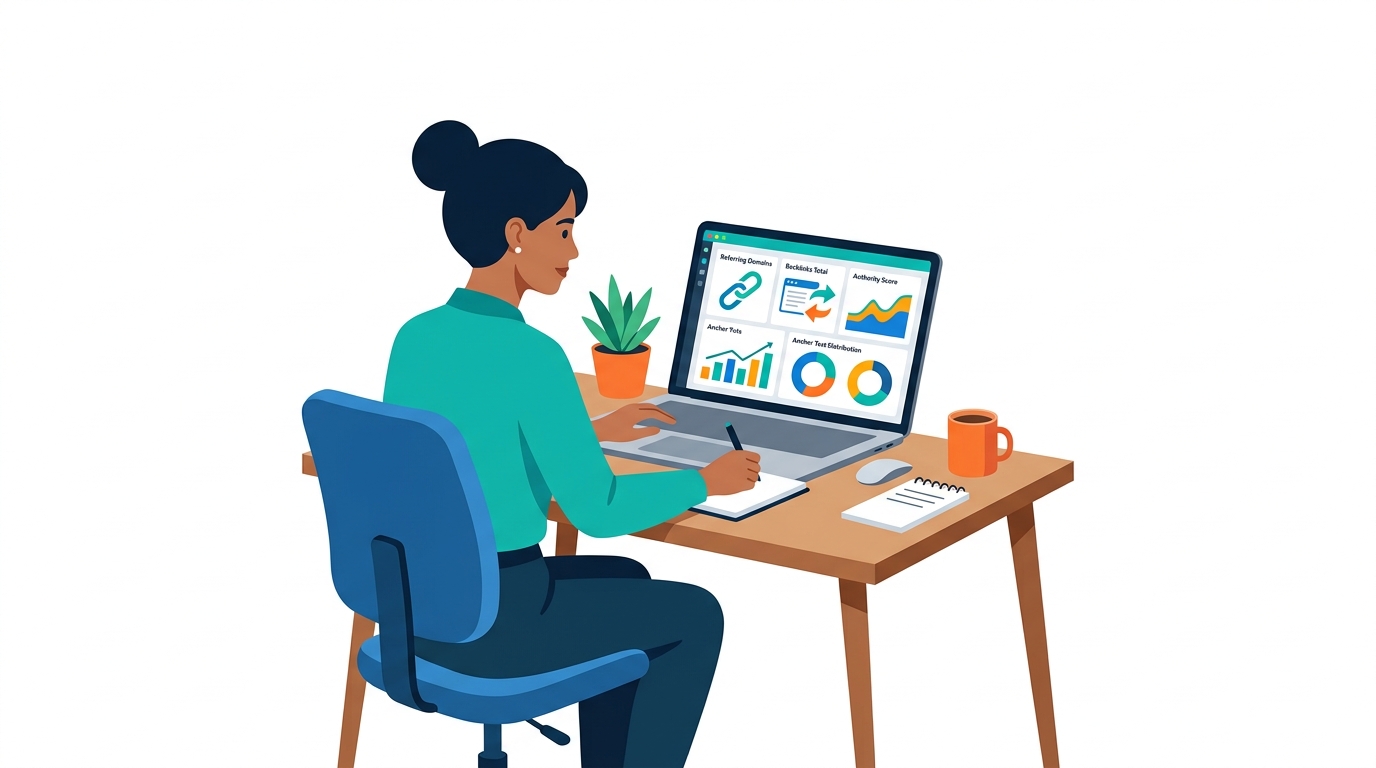
Backlinks still pack a bigger punch in SEO than any other off-site factor. Here’s the bottom line: in 2026, backlinks account for roughly 30% of Google’s ranking algorithm, according to a new Moz study. Ignore link building and you’re capping your organic growth—no matter how polished your content or how fast your site loads.
What Makes Backlinks So Important in 2026?
Backlinks are votes of trust—and Google still cares about authority and credibility. No matter how much AI shakes up search, Google’s machine learning models keep returning to the same signal: who vouches for your content? A strong backlink profile is the baseline. Lose it, and you become invisible for anything competitive.
The difference isn’t subtle. Sites with diverse, relevant links consistently outrank those with just solid on-page optimization. Technical SEOs try to game indexes, but the sites dominating money keywords invest in relationships, digital PR, and genuine citations.
Real-World Example: Small E-commerce, Big Impact
Take a boutique skincare e-commerce site in late 2025. The founders knew they’d never outspend big brands on ads. Instead, they focused on securing high-quality backlinks from beauty blogs, local news, and niche skincare forums.
After building just 18 relevant backlinks over four months, their organic traffic jumped 50%—and conversions followed. Month over month, organic revenue closed the gap with paid reach, letting them pull back on PPC by Q2 2026. The secret wasn’t volume. It was strategic placement, getting cited by voices that mattered in their niche.
Quality vs. Quantity vs. Relevance: What Actually Moves the Needle?
Not all backlinks are created equal. Here’s how to size up what you’re building:
| Backlink Type | Effect on Rankings | Example | Priority in 2026 |
|---|---|---|---|
| High-Quality | Major | Editorial link from a top industry blog | Essential |
| High-Quantity | Minor (if low value) | Hundreds from random directories | Low |
| Highly Relevant | Major | Niche-relevant forum mention | Essential |
| Irrelevant/Spammy | Negative/Neutral | Links from non-related or spammy sites | Risk: avoid |
Google’s algorithms are ruthless about relevance. A single link from an authoritative, niche-relevant source blows away dozens of cheap, irrelevant mentions. You can’t brute-force your way to the top anymore; the era of “link for link’s sake” is dead.
How to Get Your House in Order: Start With a Backlink Audit
Before building new links, get a handle on what’s already pointing at your site. Run a backlink audit with a tool like Ahrefs or SEMrush. Here’s what you’ll find:
- Toxic links dragging you down (spammy directories)
- Lost links—quality citations that vanished and need reclaiming
- Gaps compared to your top competitors’ profiles
With that data, clean up junk, prioritize outreach, and set realistic link goals for 2026. Skip this and you risk building on a cracked foundation.
The takeaway: Backlinks are still the single most powerful off-page ranking signal. But quality and relevance matter more than ever. Audit your links before launching any campaign.
New to backlink research? Free tools can get you started, but don’t cut corners. Your competition isn’t.
How to Identify High-Quality Backlink Opportunities
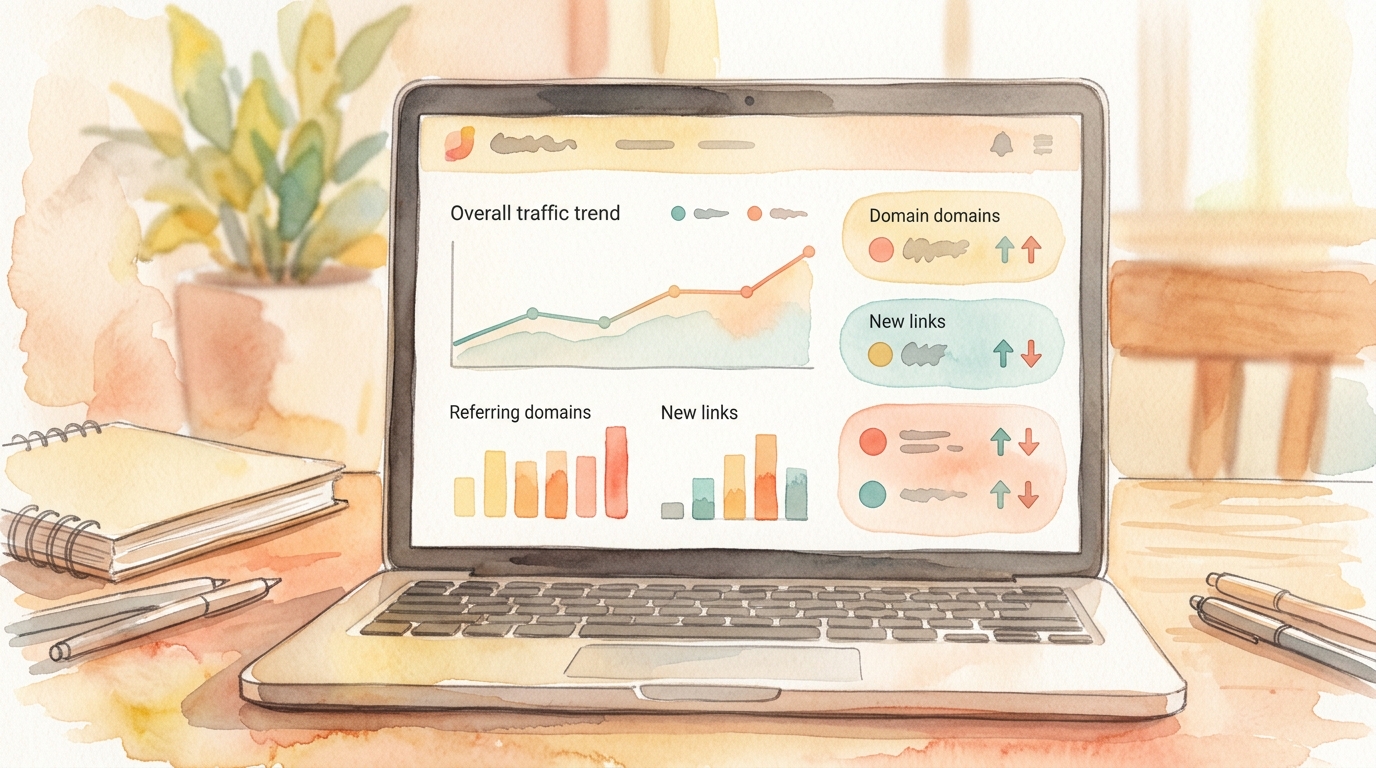
A single powerful backlink can change your rankings overnight. Watching your site leap from page three to the top five after a mention from an authority giant—that’s the power of high-quality backlinks.
What separates amateurs from pros is knowing what counts as “high-quality.” Chasing low-effort links from directory farms and random blogs is a losing game—you’ll drain your outreach budget and waste months for zero impact. The reality in 2026: authority and relevance rule.
The bottom line: High-quality backlinks come from sites that are both authoritative and relevant to your niche.
What Makes a Backlink High-Quality vs. Low-Quality?
A high-quality backlink is a vote from a trusted site with real search traffic, recognizable branding, and editorial standards. Think Forbes, Wired, Moz, or a widely-cited industry news site. These are links you can brag about—and Google knows it.
Low-quality backlinks come from sites with thin content, little audience, or link schemes. If only bots and PBN operators read that blog, don’t bother. These links can harm you, especially given Google’s granular spam detection.
Why Quality Beats Quantity—And Who Agrees
Here’s the harsh truth: A single authoritative link can be more valuable than 100 weak ones. If you’re still playing the volume game, 2026 is when you’ll fall behind. Search Engine Journal’s latest survey found 75% of SEO experts prioritize link quality over quantity. One Forbes citation can move your rankings more than a hundred low-authority blog mentions.
Google rewards signals of real trust. When your link profile includes domains recognized as experts, your content earns credibility low-tier blogs can’t offer.
The 2025 SearchMetrics study nailed it: 72% of top-ranking pages had at least one authoritative backlink acquired in the past year. It’s about building the right links, not hundreds.
Example: Forbes vs. Low-Authority Blog
Picture a SaaS startup earning a single backlink from Forbes via a detailed founder interview. Overnight, their organic traffic spikes. Positions for finance terms jump 15–50 spots. Why? Because Google and competitors see Forbes as a legitimate authority.
Now compare that to a company that spammed 50 links from random hobbyist sites and expired domains. Rankings stagnated—and some keywords dropped after a minor algorithm tweak. Chasing low-quality links is risky.
How to Evaluate Backlink Opportunities
Domain Authority (DA), Page Authority (PA), and Trust Flow are key metrics:
- Domain Authority (0–100) predicts a site's overall ability to rank. Higher DA means more trust and bigger impact.
- Page Authority measures the authority of the specific linking page. Homepage or editorial features are gold.
- Trust Flow (Majestic) evaluates site trustworthiness based on its link neighborhood—ideal for spotting spammy sites.
Use tools like Ahrefs, Moz, or Majestic to check DA, Trust Flow, and content relevance. Scan the site’s audience, citation history, and ask if you’d trust their information.
Treat backlinks like digital PR—target meaningful relationships over pure numbers—and you’ll see the difference in your analytics and SERPs.
The key takeaway: Backlinks only move the needle when they come from authoritative, relevant, and reputable sources. Quantity means nothing without quality.
What Are the Best Strategies for Building Backlinks?
A staggering 43% of all backlinks are flagged as low-quality or potentially harmful, per SEMrush’s 2026 industry report. Nearly half the links pointing to most sites might be dragging them down. Getting just "more backlinks" is a rookie move—you want high-quality, reputation-boosting links built with intent.
So, what strategies actually move the needle in 2026? Guest blogging, broken link building, and influencer outreach remain tactics separating top performers from the pack. Execution, not the tactic itself, makes the difference.
Which backlink-building strategies work best in 2026?
Top strategies include:
- Guest blogging on authoritative industry sites
- Broken link building (finding dead outbound links and pitching your relevant content)
- Influencer outreach for content collaboration and earned mentions
Each has strengths and pitfalls:
| Strategy | Best For | Pros | Cons |
|---|---|---|---|
| Guest Blogging | Fast high-quality link acquisition | Content control, scalable, trust signals | Time-intensive, editorial review process |
| Broken Link Building | Niche relevancy, quick wins | Helps webmasters, easy outreach angle | ROI depends on finding relevant broken links |
| Influencer Outreach | Brand authority, referral traffic | Can generate viral attention, big authority | Requires relationships, not always link guaranteed |
Bottom line: Guest blogging is the most reliable play when you need links that count.
Why Guest Blogging Still Wins
Guest blogging isn’t dead. In 2026, 60% of marketers say it delivers their best backlink results—beating resource pages, digital PR, and tool roundups. The formula isn’t complicated: find top blogs in your space, pitch genuinely valuable content, negotiate a relevant dofollow link.
Consider SaaS company OnboardIQ. After a rankings dip, they aimed for 100 new backlinks in six months. They built a list of 50 active SaaS, HR, and productivity blogs using BuzzSumo and Pitchbox, then pitched tailored content addressing gaps in each site’s calendar. By month six, they secured 117 guest posts with contextually placed links back to key landing pages. Their organic traffic doubled.
How to Start Building Backlinks That Matter
Forget "mass outreach" to half-dead directories or hoping blog posts go viral. You need a deliberate, systematized approach:
- Identify authoritative, relevant websites
Use BuzzSumo, Ahrefs Content Explorer, or industry roundups. Build a Google Sheet with domain, traffic, and contact info. - Craft hyper-targeted pitches
Read their latest posts. Reference specific topics or angles you can expand on. - Offer value—don’t ask for a link, pitch a story
Editors want fresh takes their audience will love, not backlinks. - Track your outreach and follow-up
Automated email sequences (Mailshake, Pitchbox) help you stay persistent without sounding spammy. - Measure results
Monitor which posts get indexed and pass authority. Sometimes a single guest post outperforms ten directory links.
A tailored blogger outreach campaign gets more high-value links than a year of cold directory submissions.
Key Takeaway
If you’re serious about backlinks in 2026, focus on guest blogging for high-authority sites, broken link building for niche wins, and influencer outreach for visibility. Prioritize quality, relevance, and relationships over volume. Treat backlink building as an editorial process, not a numbers game.
For a deep dive on these strategies, check out this detailed guide on effective backlink creation for fresh, data-rich benchmarks.
How to Leverage Competitor Backlinks for Your Advantage
Tired of chasing outdated or generic backlink tactics that don’t deliver? If your competitors outrank you, they’re not smarter—they’re leveraging backlinks more strategically. The playbook has changed, and winners know whose links to chase (and why).
The fastest path to stronger rankings is reverse-engineering your top competitors’ backlink profiles and targeting their proven sources. It’s not about reinventing the wheel. It’s about seeing what works in your space and outdoing it.
Why competitor backlink analysis is your secret weapon
Competitor backlink analysis identifies which websites link to rivals, then targets those sources for your own gain. This isn’t guesswork—it’s a play-by-play roadmap to what Google rewards.
According to a 2026 Authority Hacker survey, 40% of SEO professionals use competitor analysis to guide backlink strategies. Paired with AI-powered outreach tools (used by 61% of marketers), this approach is scalable.
What does a real competitor backlink analysis look like?
Say you manage SEO for an ecommerce brand selling running shoes. Your main competitor, SlickSneaks.com, ranks #1 for “best trail running shoes,” while you’re on page 2. Using SEMrush or Ahrefs, you find:
- SlickSneaks.com: 1,200 referring domains, including niche blogs (GearLab, TrailRunnerMag), forums (Reddit running threads), and an editorial link from NYMag.com.
- YourDomain.com: 400 referring domains, mostly generic directories and product aggregators—little coverage from authority running blogs.
Now you know exactly what you’re missing—and where to focus.
The step-by-step framework to outmaneuver your competition
- Identify your top 3-5 direct competitors. Choose sites close in size, traffic, and focus for realistic wins.
- Analyze their backlink profiles in SEMrush, Ahrefs, or Moz. Look for patterns: strong domains, high-authority pages, and replicable links.
- Segment links: Editorial mentions, guest posts, forums, directories, resource pages. Target your weakest categories.
- Evaluate link quality, not just quantity. Prioritize high-authority, relevant domains.
- Reach out strategically. Use AI-powered outreach to personalize and scale pitches—mention shared industry ties, propose value swaps, and explain why they should link to you.
- Track progress weekly. Use dashboards to spot new opportunities and monitor wins.
Skip this process, and you’ll waste months chasing random links. Follow it, and you’re working from a proven blueprint tailored to your vertical.
Tools for the job: Ahrefs, SEMrush, Moz
Platform strengths for competitor backlink research:
- Ahrefs: Deep, fresh backlink data; best for exporting comprehensive link lists with metrics like DR and traffic.
- SEMrush: Visualizes gaps and overlaps well, especially with the Backlink Gap tool. Surfaces PR and partnership links Ahrefs might miss.
- Moz: Reliable authority scoring and simple visuals, though sometimes slower on fresh links.
- LazySEO: Seamless, code-free competitor comparison—automates data pulls and index checks for speed.
The bottom line: You’re not starting from zero. Your competitors have mapped the path—use their backlink blueprint to rank higher. Don’t play guessing games with SEO in 2026. Play to win.
For more insights, see the Ahrefs Guide to Competitor Analysis.
The Role of Content in Building Backlinks
High-quality, unique content is the foundation for attracting backlinks: other sites are far more likely to link to resources that deliver genuine value or fresh insight. Massive backlink profile gaps often exist even between competitors with similar products or services.
Picture two SaaS brands vying for visibility. Brand A publishes original research; Brand B churns out typical listicles. One year later, Brand A has triple the backlinks and ranks above Brand B for dozens of high-intent keywords. Why? Content that truly stands out to SEOs, bloggers, journalists, and creators looking for sources.
To earn more backlinks, you need content that others want to cite, not just bland posts filling a blog calendar.
Why Does Content Quality Matter for Backlinks?
Nobody wants to link to generic articles recycled from page one of Google. You’re competing for attention and authority. Marketers know this—70% say content marketing is their top link building method according to a 2026 HubSpot study.
Original data and unique perspectives get shared and referenced. There’s a real difference between “yet another tips post” and a resource people cite all year.
Example: How One Research Post Earned 200+ Backlinks in a Year
A digital marketing blog released an in-depth report on e-commerce conversion trends, packed with proprietary survey results. No outreach gimmicks, no endless cold emails. Because the data was new and unique, industry sites, newsletters, and researchers linked to it 200 times in twelve months. That post ranks in the top three for dozens of “conversion rate” and “e-commerce” terms.
Contrast with their “10 ways to increase conversions” post: a handful of low-quality links, nothing significant.
What Kind of Content Earns the Most Links?
Not all content hooks links equally. Some formats scream “link me,” others fade into mediocrity:
| Content Type | Strengths | Link Magnet? | Weaknesses | Typical Backlink Volume* |
|---|---|---|---|---|
| Original Research | Unique data, highly citeable, evergreen value | Yes (by far) | Labor-intensive | 100–500+ per year |
| Listicles | Scannable, easy to create, fast to publish | Sometimes | Rarely unique, easily copied | 10–50 per year |
| Infographics | Visually engaging, share-friendly | Yes (with a twist) | Needs distribution to gain steam | 30–200 per year |
*Based on analysis of top-performing marketing blogs, 2026.
Bottom line: To earn backlinks from authority sites, produce content they can’t find elsewhere and want to reference repeatedly.
How Do You Build Link-Worthy Content? Here’s a Proven Step
Start with a content calendar targeting evergreen, shareable formats—not just “SEO content.” Plan quarterly for at least one substantial research piece, include infographics to boost shareability, and deploy listicles only when genuinely useful. Review your niche’s most-linked pages and raise the bar.
Invest time upfront, and links will come to you. The race isn’t about volume; it’s about making your content the obvious industry citation year after year.
If you're not prioritizing link-worthy content in 2026, you’re handing your competitors the advantage.
Future-Proofing Your Backlink Strategy
The secret behind explosive backlink growth isn’t old tactics—it’s adaptability. Consider a mid-sized digital marketing agency in 2026 that launched a visually stunning, data-driven infographic series. Each graphic pulled in over 200 high-authority backlinks within a month, outpacing every blog post that quarter. They didn’t guess what their audience wanted; they used AI content analysis to spot trending topics before competitors, building shareable assets around the next wave of demand.
Why did this work? The agency anticipated what people would want to reference—not just what was already popular—and doubled down on delivering irresistible, link-worthy resources. That’s how you future-proof your backlink game.
Key takeaway: Focus on building relationships and crafting unique content formats that get ahead of the curve, rather than chasing what everyone else cites.
How should you adapt your backlink strategy for future SEO trends?
You can’t rely on yesterday’s wins. The landscape shifts fast. About 80% of SEO experts agree AI will fundamentally reshape link-building strategies by 2030, according to recent forecasts. Playing catch-up means losing ground.
Future-ready pros:
- Invest in AI-powered content research: These tools predict the next big thing, letting you jump the queue for shareable topics and formats.
- Build relationships over transactions: Networking with journalists, creators, and thought leaders creates evergreen advantages that outlast algorithms.
- Leverage new content formats: BuzzSumo’s 2026 report found data-driven infographics earned 45% more backlinks than standard blog posts. Diversify into formats people want to cite.
- Experiment with zero-click search features: Google’s move toward featured snippets and answer boxes means your content must be link-worthy beyond traditional articles.
- Monitor brand and competitor mentions in real time: The faster you spot opportunities, the easier it is to earn quality links before competitors.
What does an AI-driven backlink strategy look like?
Traditional backlink building meant spamming outreach emails or chasing directory lists. The predictive, AI-informed approach includes:
- Content gap analysis: Use AI to spot trending but underserved niche topics.
- Personalized outreach at scale: AI crafts contextual pitches referencing journalist interests or recent work, not generic templates.
- Ongoing link opportunity monitoring: Systems flag unlinked brand mentions or new top-ranking content to earn links early.
- Content freshness scoring: Prioritize updates or new pieces likely to attract citations based on search and social trends.
If you’re still combing outdated lists or firing rote pitches, you’re wasting time and falling behind.
Example: How a real agency pivoted its link-building to AI
A digital marketing agency targeting tech startups saw cold outreach losing steam. They used machine learning to analyze which content types led to the most backlinks. Acting on insights, they prioritized deeper “how-to” resources and visual assets for trending keywords. Their share of top 20 backlinks in SaaS marketing jumped 31% in six months. That’s future-proofing.
The bottom line
Sticking to yesterday’s playbook stalls growth. The future belongs to teams blending AI-powered insights, strong industry relationships, and attention-grabbing content formats. Anticipate what’s next—and your backlinks will follow.
Want proof? Watch brands investing in AI today—they’re dominating tomorrow’s SERPs.
For more on AI transforming link building, see Moz’s 2026 State of SEO report.
Make Your Backlinks Work Harder
If you take one thing from this guide, let it be this: focus on building authentic, high-quality backlinks through valuable content and smart outreach. Chasing numbers or quick wins won’t cut it in 2026—search engines reward relevance and trust above all else. Start by analyzing your competitors, identify where your links add real value, and prioritize relationships over shortcuts. Tools like LazySEO can automate research and tracking, freeing you to focus on strategy. A future-proof backlink strategy isn’t about more links—it’s about earning the right links. Stay agile, keep learning, and watch your organic growth accelerate in the year ahead.