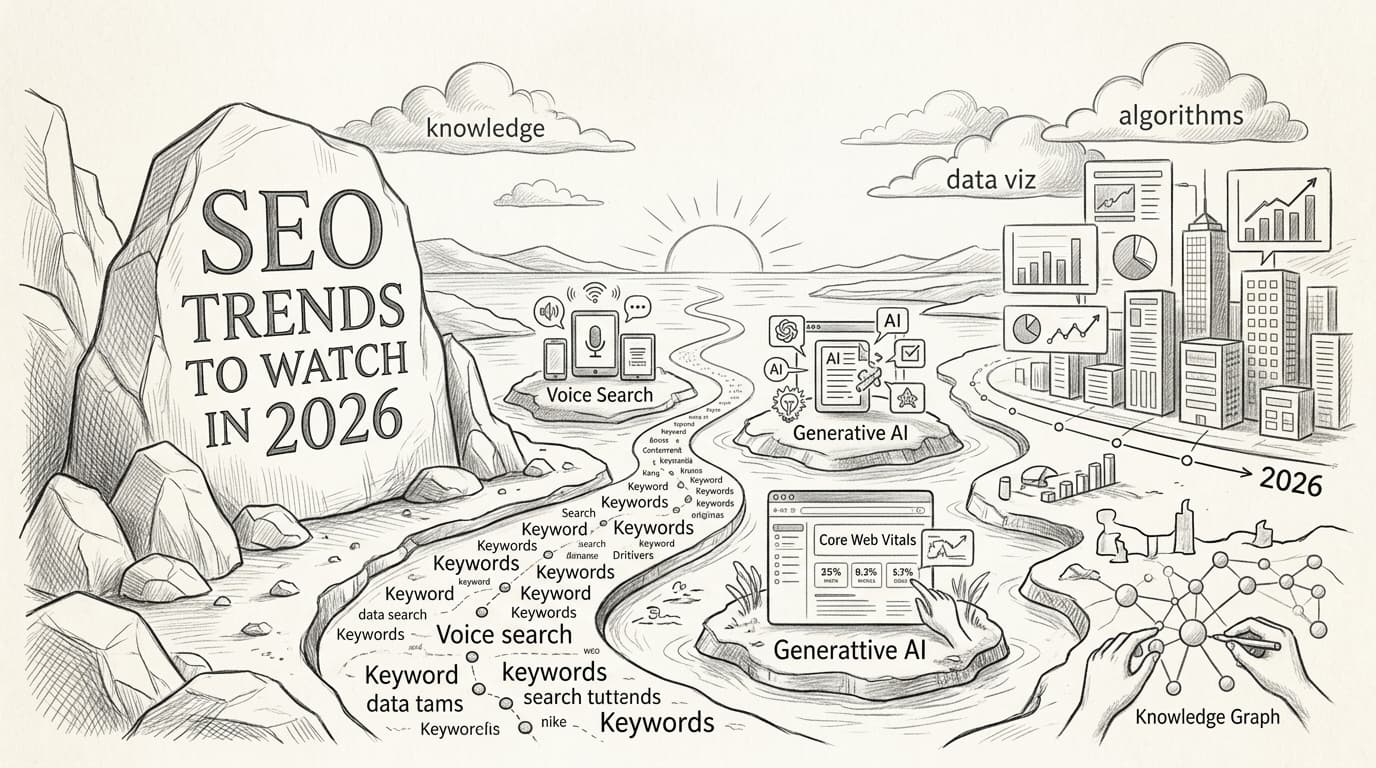
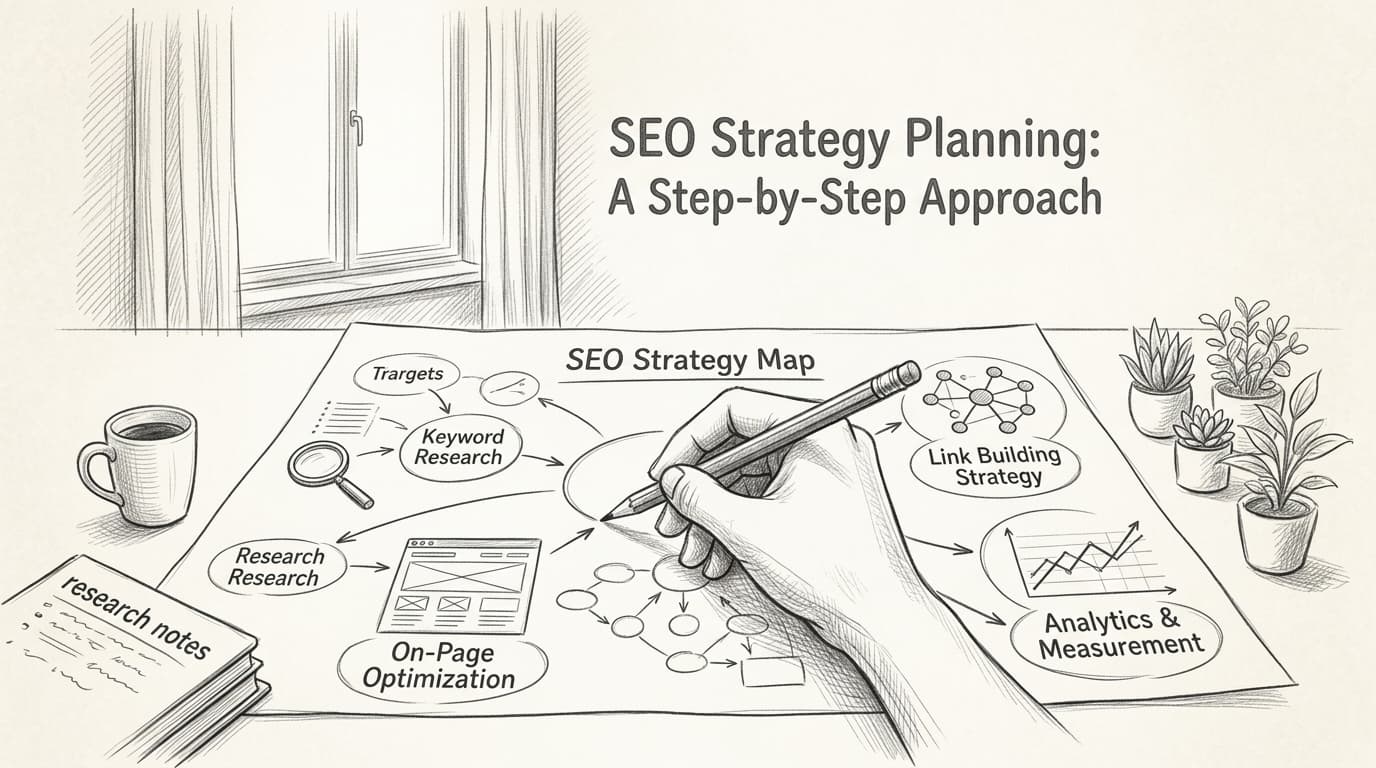
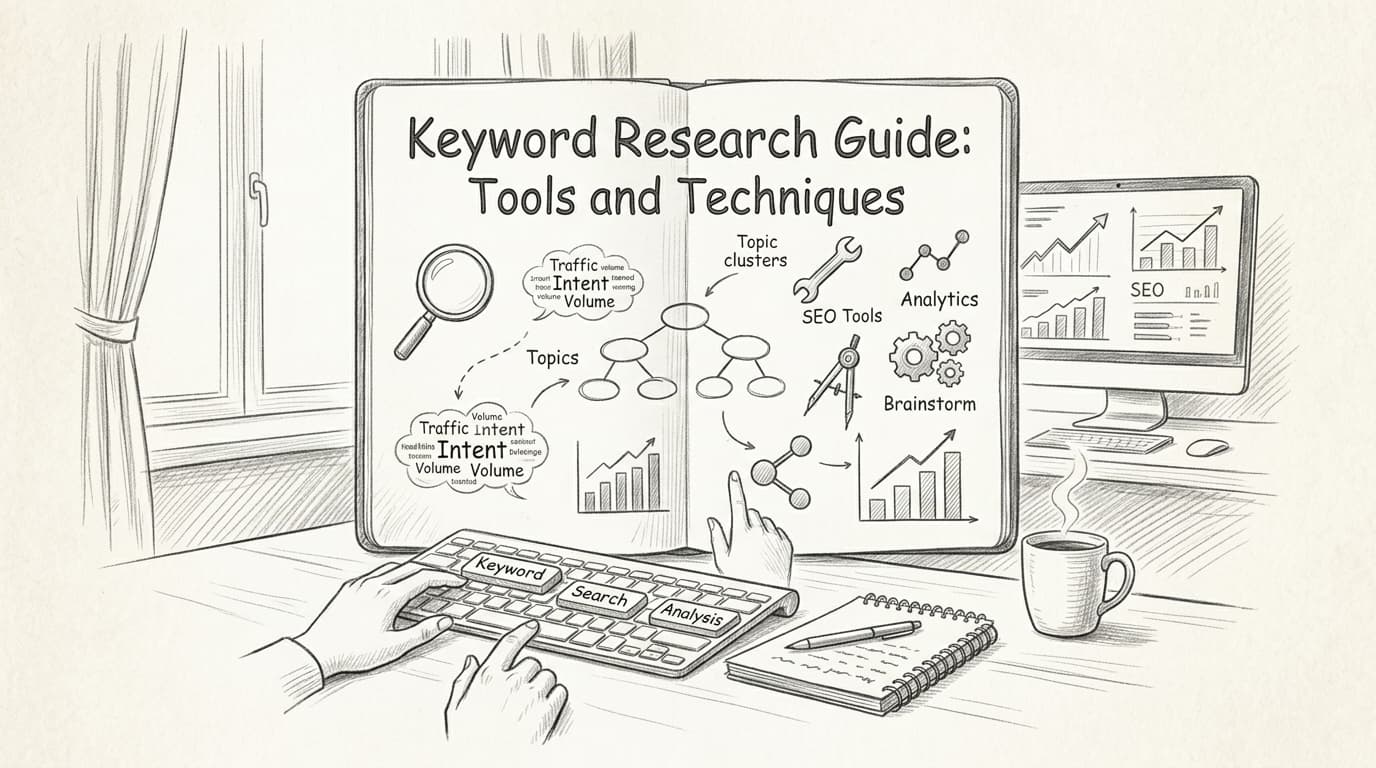
Content marketing for SEO is the strategic process of creating and optimizing valuable content to improve your website’s rankings in search engines, drive high-quality organic traffic, and convert visitors into loyal customers. In 2026, successful brands see content marketing for SEO as the foundation of their digital growth strategy.
More than 90% of web pages get zero organic search traffic from Google. While you’re researching keywords, assembling blog posts, and tweaking metadata, competitors churn out content that sinks unnoticed. You publish what you think is a killer article, watch analytics for a spike, and… nothing. Meanwhile, questions from your boss or clients about why your content isn’t climbing the rankings persist.
If you’re wrestling with time-consuming SEO research, overwhelmed by ever-changing Google algorithms, or stuck trying to turn random blog posts into real traffic, you’re not alone. Successful content marketing for SEO doesn’t come from playing it safe or following outdated strategies. It’s about building a system: creating relevant, keyword-smart assets that win both human visitors and search engine bots—while using automation and AI to stay efficient.
This guide is for marketers who want actionable, up-to-date answers for 2026. You’ll learn why content marketing is the true engine behind SEO success, which content types deliver results now, and how next-generation tools make the process faster and less manual. Ready to turn your SEO content plan into a lead-generating machine? Let’s dive into what really moves the needle for your rankings and your bottom line.
Why Content Marketing is Crucial for SEO Success in 2026

Content marketing isn't just a nice-to-have for search performance—it's the engine that drives results. In 2026, brands that invest in strategic content see three times more leads than those sticking with traditional advertising. This isn’t theory; it’s backed by real campaigns and data. Spending most of your budget on paid ads expecting long-term growth is a mistake. You’re pouring water into a leaky bucket.
The bottom line: You cannot outrank your competitors in organic search without a solid content marketing strategy.
SEO and content marketing aren’t separate silos. They feed each other.
How Does Content Marketing Actually Impact SEO?
Content is the substance that Google indexes. No meaningful content? No way to rank. But it’s not just about blog posts or keyword-stuffed articles. Google’s algorithms in 2026 recognize depth, topic clusters, and genuinely helpful resources.
Here’s why content marketing supercharges your SEO efforts:
- Indexable Value: Each high-quality page is a new Google entry point.
- Topical Authority: Consistent, useful content earns backlinks and boosts your site’s E-E-A-T (Experience, Expertise, Authoritativeness, Trustworthiness).
- Engagement Signals: Great content keeps users on your page—one of the strongest ranking signals post-2024.
Example: SaaS Company Grows Organic Traffic by 150%
Consider a recent SaaS case: Stuck at 5,000 organic visits/month, they scrapped “random act of blogging” and mapped every article to a targeted keyword with real search demand. Three months later, organic search traffic hit 12,500/month—a 150% jump. The key? They didn’t chase volume. Instead, every new article was built around answering a real user question and filling a gap competitors missed.
Content wasn’t just blog posts. They layered in explainer videos, genuine case studies, and data-driven guides that got shared and referenced in their niche. The result: more backlinks, longer dwell times, and “People Also Ask” features dominated with their answers.
Table: Traditional Advertising vs Content Marketing vs SEO Impact
| Factor | Traditional Advertising | Content Marketing |
|---|---|---|
| Lead Quality | Cold | Warm, highly targeted |
| Long-Term ROI | Only active spend | Compounds over time |
| Brand Visibility | Short-lived | Sustained, grows with content |
| SEO Benefits | None | Drives rankings, builds E-E-A-T |
| Cost Efficiency | Declines fast | Improves as content matures |
Content marketing doesn’t just pull double duty. It’s the only channel where the investment compounds.
Actionable Step: Audit Your Existing Content for SEO Gaps
Before creating new content, audit what’s already live. Map each URL to a target keyword, and flag pages driving no meaningful traffic or engagement. Most sites discover 20-30% of their content is “dead weight”—old landing pages, thin blogs, or duplicate resources dragging everything else down.
Quick content audit checklist:
- Inventory every URL and keyword target
- Identify thin, outdated, or off-topic content
- Analyze which pages earn links or rank for “People Also Ask”
- Spot topic gaps your competitors rank for—but you don’t
Leading SEO teams run full content audits at least twice a year. It’s the fastest way to unlock new growth, plug topical holes, and double down where your site already wins.
For an in-depth look at how content marketing and SEO work together, check out content marketing strategies that work.
Key takeaway: Content marketing isn’t just part of SEO—it’s the foundation. If you’re not investing here, you’re helping your competitors win.
How Does Content Marketing Enhance SEO Performance?
Picture this: a SaaS startup pours time and energy into technical SEO. Sitemaps, hreflang tags, speedy load times—everything by the book. But its blog? Barely touched, dust collecting on a few outdated posts about company milestones nobody’s searching for.
Traffic stagnates, rankings slide, and conversions flatline.
Then, a strategy shift. The team starts publishing in-depth how-tos, expert roundups, and actionable guides targeting pain points real customers actually Google. They optimize headlines for high-value keywords, link out to authorities, and answer every relevant question their target audience might have—sometimes before the competition does.
That’s when the needle moves.
Content marketing supercharges SEO by making pages not just crawlable, but actually worth ranking. Keyword integration is the first domino—now, every new post is an opportunity to target fresh topics and capture queries customers use. Done right, this means more doors into your site, with each blog post acting like a new entryway for organic visitors.
There’s data to back up just how critical this is. According to HubSpot, companies that maintain active blogs enjoy 434% more indexed pages than those that don’t. That’s not some vague branding lift—more indexed pages mean a broader footprint in search, and far more opportunities to surface for relevant queries (source).
Now, compare the traffic-driving power of content marketing with pure on-page and off-page SEO. On-page SEO covers technical essentials: proper tags, optimized images, fast loads. It ensures that when someone finds your page, crawling and ranking isn’t blocked by an obvious issue. Off-page SEO—think backlinks and brand signals—boosts your site’s authority, making it look trustworthy in Google’s eyes. But without a stream of original, valuable content, neither of those approaches have much to amplify.
Content marketing? This is where you actually create the value both audiences and algorithms crave. It’s the linchpin that ties everything together—proving, page after page, that your site deserves those top positions.
Here’s the real kicker: top-ranking pages aren’t just well optimized; they’re supported by comprehensive content strategies—targeting clusters of related keywords, answering next-step questions, and naturally attracting backlinks with their usefulness. According to a 2025 SEMrush report, 68% of pages ranking in the top three have robust content ecosystems behind them (source). Google’s algorithm favors depth and topical authority, not just sprinkled keywords.
The bottom line: SEO isn’t just about tweaking existing pages. You need an engine of content creation tightly aligned to both keyword strategy and user intent. That means starting every campaign by mapping out questions your audience googles, then building a content calendar that attacks those head-on—from pillar guides to tactical posts.
Skip this and you’ll get outranked by competitors who publish 10x more, generate far more backlinks, and become the site search engines want to reward.
If you want sustained SEO growth, start treating content marketing as both your primary offensive weapon and your best long-term investment. Stop thinking of blog posts as side projects. They’re the fuel that makes everything else in your SEO program actually work.
Expert insight: The most successful digital marketers treat content and SEO as fused disciplines, not separate playbooks. That’s how real growth happens (source).
The best way to get started? Develop a keyword strategy that aligns tightly with your content goals. Identify the pain points and opportunities with the highest business impact, then build a content calendar that covers those topics exhaustively. Don’t settle for chasing generic keywords. Target themes where your brand can actually add unique value—then write, optimize, publish, and repeat.
For a foundational approach, see this beginner-friendly keyword research guide.
SEO without content marketing? That’s just hoping for the best. In 2026, only comprehensive, audience-focused content moves the needle.
What Are the Best Content Types for SEO in 2026?

If you’re chasing top search rankings in 2026, blogs, videos, and infographics are the clear winners. Each type delivers unique SEO benefits, but the secret sauce is knowing how and when to use them together.
A 2025 Ahrefs study showed that pages built on robust content strategies rake in 97% more backlinks than those relying on thin content. That’s a huge edge for any brand fighting for organic visibility.
Which Content Types Drive the Most SEO Value in 2026?
Blogs are the backbone of organic search traffic. They build topical authority, target long-tail keywords, and keep your site fresh—all things Google loves. But you’d be out of your mind to ignore how fast video is eating the web. By 2026, video content is expected to account for 82% of all internet traffic. If you’re still treating video as optional, you’re bleeding potential search volume and engagement.
Infographics, meanwhile, turn complicated data into snackable, shareable assets that rack up backlinks and boost dwell time.
Here’s how these formats stack up:
| Content Type | SEO Benefits | Best Use Cases | Downsides |
|---|---|---|---|
| Blogs | Can target massive lists of keywords, build authority, earn long-tail traffic & links | Evergreen guides, product comparisons | Undifferentiated content = no ranking movement |
| Videos | Drives insane dwell time, gets “Video” SERP features, huge social signals, links | Tutorials, product demos, explainer vids | Production can be resource-intensive |
| Infographics | Generates backlinks, powers outreach, simplifies complex data, supports featured snippets | Data studies, step-by-step breakdowns | Not searchable by text alone |
How Does Each Content Type Impact SEO Performance?
Blogs pull in regular, intent-driven traffic—but only if you’re solving real user problems and keeping up with search intent shifts. Copy-paste tactics from 2024 aren’t cutting it anymore: B2B and e-commerce spaces especially are flooded with content that Google’s now ignoring.
Videos change the game for engagement. Take this scenario: An e-commerce brand selling DIY home office furniture launched a multi-part video series showing desk assembly, cable management, and style upgrades. The result? Their product pages with embedded videos jumped to the front page for both “best standing desk” and “office cable management” in six months. Watch-time spikes feed Google’s RankBrain, signaling major relevancy. Plus, you hit YouTube, the world’s second-largest search engine, at the same time.
Infographics are your backlink magnets. Hit the right data trend, and industry blogs will embed your graphic and link back for years. This isn’t just theory—data-driven infographics have consistently outperformed standard blog posts in the number of unique referring domains, according to SEMrush research.
Key takeaway: If you want sustainable SEO growth in 2026, a blended approach isn’t optional. Blogs establish search presence, videos boost engagement and page authority, and infographics power backlink outreach.
What Content Format Mix Delivers the Biggest Impact?
Don’t guess—here’s a proven order when you want rapid results:
- Start with a keyword-driven blog post that answers a key question, problem, or comparison.
- Add a video walkthrough or tutorial to hit both YouTube and Google Video results, and skyrocket page dwell time.
- Embed an infographic that summarizes the core insights or shows original research, increasing shares and backlinks.
This “triple threat” content cluster is outperforming single-format strategies in nearly every competitive niche.
Which Content Format Is Right for Your Goals?
- Want to win featured snippets and attract qualified leads? Go deep with blog + infographic.
- Need to boost time-on-page and convert with personality? Layer in video.
- Chasing authority and referral links? Prioritize data studies visualized as infographics.
The bottom line: In 2026, you can’t afford to rely on just one style. Mix blogs, videos, and infographics to maximize each stage of the SEO journey. If you’re still publishing walls of text, you’re invisible ahead of the next algorithm update.
Integrating AI Tools in Content Marketing for SEO
AI tools automate keyword research and content optimization, slashing manual hours and boosting accuracy at every stage. In 2026, skipping this tech isn’t a quirk—it’s a handicap.
How Are AI Tools Changing Content Marketing for SEO?
AI tools like Semrush, Jasper, and Surfer SEO now handle grunt work that used to eat up entire afternoons: scraping SERPs for keyword ideas, checking on-page optimization factors, or flagging thin content that’s throttling your authority.
Don’t make the rookie mistake of thinking AI is just a “nice-to-have.” HubSpot’s 2026 survey says 60% of marketers are already using AI-powered solutions to upgrade their content marketing game. That number jumps even higher among teams doing 8-figure organic traffic (academy.hubspot.com). If you’re not trying these tools, your competitors definitely are—and they’re not waiting around.
Why Use AI for Keyword, Audit, and Optimization?
AI content marketing tools use machine learning to:
- Automatically identify trending keywords and topic opportunities
- Detect SEO issues across hundreds of pages in seconds
- Score content quality based on real-time algorithm changes
Manual keyword research? Forget it. AI-powered platforms not only pull in high-traffic topics but also predict which long-tails are poised for breakout growth in your niche.
Take Semrush as a prime example: Its AI-driven recommendations deliver real-time guidance on search intent, on-page SEO tweaks, and gap analyses between your site and the competition (Semrush SEO & Content Marketing Guide). Instead of reacting to ranking drops after the fact, you’re constantly steering content strategy with live data.
How Does AI Stack Up For Different Content Types?
You’ve got endless format options—blog posts, long-form guides, short-form video, interactive tools—but which ones get the most out of modern AI? Here’s a reality check:
| Content Type | AI Optimization Strength | SEO Goldmine | Workflow Efficiency | Weak Point |
|---|---|---|---|---|
| Blog Posts | High | Medium | High | Oversaturation risk |
| Interactive Tools | Medium | Very High | Medium | Dev resource needed |
| Short-Form Video | Low | High | Medium | Harder to track results |
| Long-Form Guides | High | Very High | Low | Time-consuming even w/ AI |
Bottom line: Running AI audits on thousands of blog posts pays off instantly—simple to implement, fast to optimize. Interactive tools and long-form guides can deliver massive SEO wins, but you need the right AI-driven analytics to know what’s actually moving the needle.
Practical Steps: How to Actually Implement AI in Your Content Workflow
Overwhelm is real—so keep it simple. Here are the top ways to get value immediately:
- Automate Content Audits: Let AI audit all published pages for thin content, broken links, and missed keyword targets on a weekly routine.
- AI-Powered Keyword Tracking: Use AI to monitor keyword rankings, identify quick-win variations, and send alerts when search intent shifts.
- Real-Time Optimization Suggestions: Platforms like Jasper or Surfer SEO highlight missing semantic terms, readability gaps, and meta tag issues as you write.
- Competitor Content Analysis: AI tools analyze what competitors are ranking for (and why) so your team can leapfrog stale content with fresh, relevant angles.
The Key Takeaway
AI in content marketing for SEO isn’t about replacing creativity or strategy—it’s about vaporizing bottlenecks and making every hour count. If you want hands-off keyword monitoring and smarter optimization, tools like LazySEO put you on the fast track by letting you focus on what actually drives organic growth.
Real-World Scenario: Content Marketing and SEO Synergy
Picture this: a digital marketer drowning in a backlog of blog ideas, frantically trying to balance keyword targets, shifting algorithms, and ever-higher traffic goals. Across the virtual hallway, the SEO specialist is stressing over technical audits while begging for updates to outdated cornerstone content. This is what happens when content and SEO operate in silos—chaos, wasted effort, and very little to show for it.
So what actually happens when you break down the walls and run content marketing and SEO as a single, unified strategy? Sustainable growth. Here’s exactly how one forward-thinking digital agency pulled it off—and why you need to follow suit.
How Did Integration Drive Results?
The breakthrough came when the agency ditched the old hand-off model (SEO picks targets, content produces assets) and established a cross-functional squad: content strategists, SEO analysts, and a project manager, all working together from ideation to reporting. This wasn’t just lip service; every step, from spying competitor gaps to building optimized landing pages, ran through both SEO and content lenses.
Within 12 months, the client saw organic visibility jump 200%. But raw traffic numbers only tell part of the story. Conversion rate on blog content rose from 0.8% to 2.3%. That’s a seismic shift—and it wasn’t luck.
Before and After: The Hard Numbers
Here’s what changed when content and SEO efforts finally joined forces:
| Metric | Before (2025) | After 12 Months (2026) | % Change |
|---|---|---|---|
| Monthly Organic Sessions | 18,700 | 56,200 | +200% |
| Conversion Rate | 0.8% | 2.3% | +187.5% |
| Top 10 Keyword Rankings | 95 | 280 | +194% |
| Avg. Session Duration | 1m 12s | 2m 08s | +77% |
Higher visibility brought in more engaged visitors, which led to more conversions. But it all traces back to the single shift: content and SEO specialists aligned around outcomes, not isolated KPIs.
Why Does This Synergy Work?
When content creators know the exact high-value topics and questions users are searching for—and have SEO experts involved from brief to distribution—every asset is built for both discovery and engagement. The result isn’t just more traffic, but the right traffic: qualified, lower-funnel users who are ready to act.
You’re not chasing vanity metrics like rankings or word counts. You’re building topical authority, accelerating the flywheel that keeps search engines and users coming back for more. According to SEMrush, this integration is now recognized as good practice: content built without SEO simply doesn’t move the needle, and the gap only widens as algorithms mature.
Action Step: Build a Cross-Functional Content & SEO Team
Stop thinking of SEO and content as separate teams. One actionable step: form an “SEO-content strike force” with both skill sets present at each planning session. Choose joint KPIs, map content against search demand, and review performance with the whole team. The payoff? Faster execution, sharper targeting, and far less rework.
Gartner predicts that by 2026, 60% of marketing teams will depend on AI-powered platforms to handle at least half their content production pipeline. Those teams seamlessly weave SEO research, content creation, and optimization—leaving ad hoc, siloed processes in the dust.
Bottom line: When you align content marketing and SEO teams under a unified strategy, you unlock sustainable growth and outclass those still stuck on the old assembly line. The data is undeniable, and the playbook for 2026 couldn’t be clearer.
Future Trends: The Evolution of Content Marketing for SEO
Picture this: a mid-tier SaaS company stuck on a plateau, churning out blog posts that generate a trickle of organic search traffic each month. Six months later, after overhauling its approach to fuse content marketing with SEO and layering in hyper-personalized experiences, that same company sees organic traffic rocket up 120%. What changed? The answer is future-facing strategies that every digital marketer needs to master heading into 2027.
The next wave of content marketing for SEO centers around personalization and interactivity—not just publishing more, but tailoring every interaction based on data and user intent. By 2027, personalized content isn’t just a “nice to have”—it’s the baseline. Brands delivering dynamic, audience-specific journeys will outpace their competitors, and the numbers back it up: personalized content is projected to boost engagement rates by 50% in the next year (source). That’s not incremental growth—you’re looking at doubling reader actions, longer dwell times, and Google picking up strong engagement signals for higher rankings.
What Drives the Shift Toward Personalized Content?
Personalized content is content that adapts to a user’s demographics, behavior, and stage in the buyer journey. This means your knowledge base surfaces the right answer for a logged-in customer, your blog recommends next articles based on what the reader has consumed, and your site’s homepage features case studies tailored to the visitor’s industry.
Search engines are rewarding this shift. As Google’s algorithms get better at parsing intent and user satisfaction metrics, generic content drops in the SERPs—while those who invest in personalization climb. If your site is still treating each visitor the same, you’re already playing catch-up.
How Does Interactive Content Enhance SEO?
Interactive content isn’t a gimmick or a passing fad. Content like calculators, quizzes, polls, and assessments has measurable impact because it transforms passive readers into active participants. When someone completes a quiz or drops an answer in a poll, they don’t just stick around longer—they become emotionally invested. Those signals—longer session duration, repeat visits, shared links—tell search engines this page deserves to rank.
Take quizzes, for example. SaaS companies are using tailored quizzes not just for lead capture but to guide prospects to the perfect product tier, all in a format that encourages sharing. Or think about interactive infographics: break up a dense, stats-heavy report into bite-sized, click-to-reveal insights and watch your average time-on-page soar.
Why Should You Care About These Trends?
Because cookie-cutter content is dying. More than ever, people crave content that feels like it was made for them. In 2026, just publishing comprehensive guides isn’t enough. Treating users as individuals and giving them a “choose your own adventure” experience pays off in every metric that matters—organic traffic, bounce rate, brand stickiness, and revenue.
And the kicker? Interactive and personalized content feeds the same AI algorithms (on Google and elsewhere) that will define who ranks on page one. The engines are listening for signals like engagement, relevance, and satisfaction. Serve those up at scale, and you’ll future-proof your rankings.
What’s the Key Takeaway for Teams Today?
Start experimenting now. If you haven’t yet, test dynamic content modules that personalize based on user behavior. Build one quiz for your best-performing post. Swap static comparison charts for interactive ones. Even modest efforts in personalization and interactivity will give you a head start on the SEO realities of 2027.
Ignoring these trends isn’t a neutral move—it means losing out to competitors who are already treating every visitor as a unique priority, not just a number in the analytics dashboard.
Make Your Content Work Harder
Ready to boost your rankings in 2026? Prioritize creating high-value, relevant content that directly addresses your audience’s needs—then let data and AI guide your optimization. The most effective content marketing for SEO isn’t about churning out blog posts, but about strategically blending search intent, engaging formats, and smart automation. Start by auditing your existing content, identify gaps, and plan your next moves based on SEO insights. Tools like LazySEO can help automate the heavy lifting, so you can focus on creativity and strategy. Stay ahead by embracing new trends and integrating technology into your workflow. The future of SEO belongs to those who adapt—so take action now and position your content for lasting search visibility.