A SERPs SEO checker analyzes search engine results pages (SERPs) to reveal how your site performs against competitors for target keywords—and pinpoints actions to climb higher in organic rankings. The best SERPs SEO checkers in 2026 don’t just track your position; they explain why you’re there, highlighting technical issues, on-page weaknesses, and untapped keyword opportunities that manual research would take hours or days to uncover.
If you’re tired of pouring endless effort into content and link-building only to land on page two or worse, you’re not alone. In fact, 90% of web pages get zero traffic from Google. That’s a brutal reminder that great content is invisible without data guiding your next move. You know the story: late nights tweaking meta tags, an ever-growing spreadsheet of “promising” keywords, and an inbox full of ranking alerts offering no clear solutions. By the time you decipher what went wrong, algorithms have shifted, and competitors have surged ahead.
That’s where a powerful SERPs SEO checker changes the game. Imagine knowing, in plain language, not just how you rank—but exactly what’s holding you back: are competitors nailing search intent? Is your schema off? Is Google surfacing new SERP features you didn’t plan for? The difference between guesswork and actionable intelligence is the difference between stagnant traffic and real growth.
This guide shows why a SERPs SEO checker is essential for anyone fighting for organic visibility, how these tools dissect the evolving search landscape, and—most importantly—which platforms dominate in 2026. Ready for a smarter, faster way to win at SEO? Let’s dive into why these checkers matter more now than ever.
Why SERP SEO Checkers Are Essential in 2026
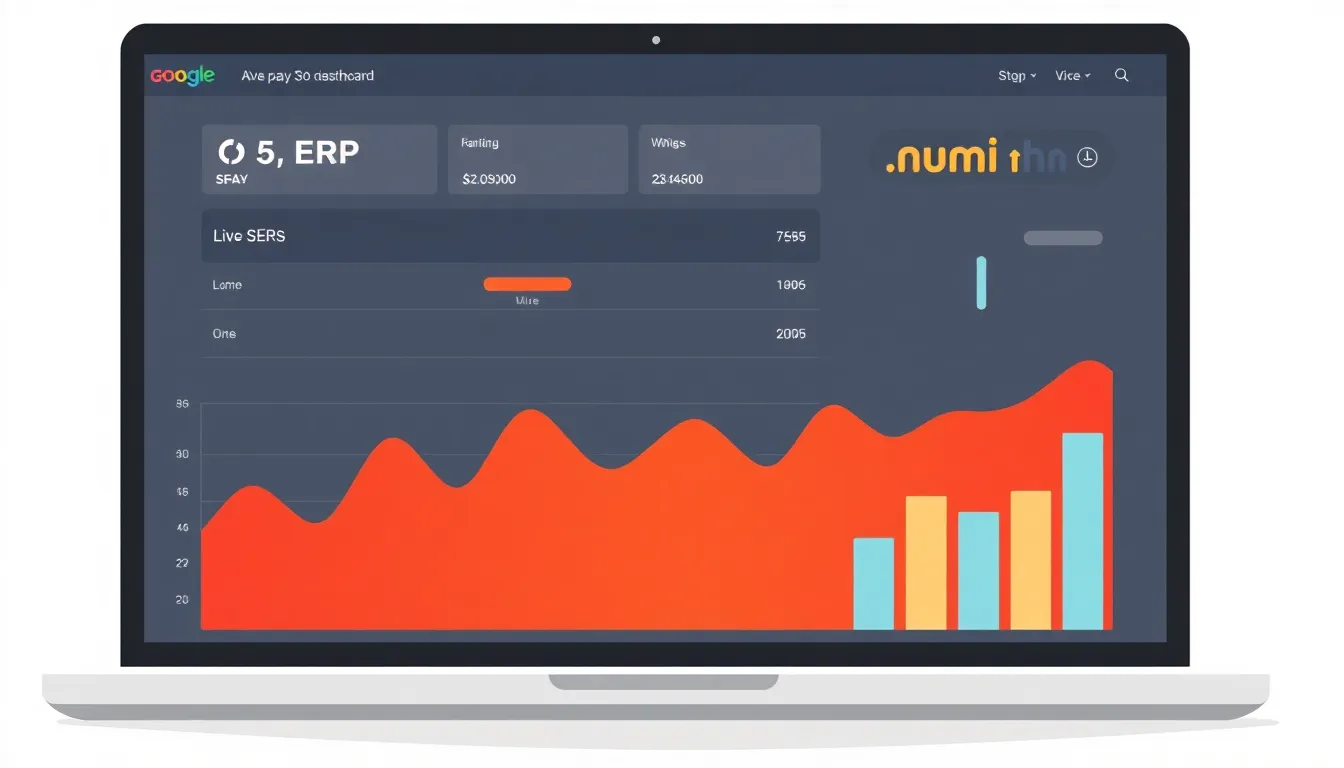
SERP SEO checkers help you spot ranking opportunities and threats—fast. Without the right tool, you’re flying blind while competitors eat your organic traffic for breakfast.
The top Google spot isn’t just for bragging rights. 2026 data shows the average click-through rate (CTR) for #1 results is over 30%—three out of ten searchers land there. Miss the first page? Good luck being noticed. Every bump in position means more visits and leads, which no marketer should ignore.
How a SERP SEO Checker Changed the Game for One E-commerce Site
An outdoor gear retailer hovered around page two for key terms. After plugging their site and competitors into a SERP SEO checker, they spotted two quick-win keyword clusters ignored by big brands.
They built tailored landing pages, tweaked title tags, and within four weeks saw organic traffic climb 40%. No heavy lifting, just better insight into what was ranking—and what they could steal.
Key takeaway: SERP SEO checkers give actionable data, not just charts.
What Does a SERP SEO Checker Actually Do?
A SERP SEO checker analyzes SERPs to report where your pages—and competitors’—rank for specific keywords. The best track movements daily, reveal who’s ranking and why, and highlight keyword gaps to outsmart rivals.
Manual rank tracking in 2026 isn’t just outdated—it’s a massive time drain, especially managing dozens or hundreds of keywords. Automated SERP SEO checkers let your team:
- Monitor positions across markets and devices at scale (mobile vs. desktop shifts)
- Detect sudden drops or surges instantly, so you can act before traffic vanishes
- Surface quick-win opportunities based on real-time data, not last month’s reports
- Uncover threats from emerging competitors or SERP feature changes—before damage hits
Benefits of SERP SEO Checkers vs. Manual Tracking
| Feature | SERP SEO Checker | Manual Tracking |
|---|---|---|
| Real-time accuracy | ✅ Yes | ❌ Rarely |
| Time required | Low (minutes/week) | High (hours/week or more) |
| Multi-keyword monitoring | 100s or 1,000s at once | 1-5 per check |
| Competitor insights | ✅ Built-in | ❌ Mostly guesswork |
| Actionable recommendations | ✅ Yes | ❌ No automated suggestions |
| Detects SERP changes fast | ✅ Instantly | ❌ Delays, often missed |
The difference isn’t subtle. The moment your site climbs—or slips—you’ll know. When a competitor sneaks into the top 10, you’re alerted. Manual checks? You scan screenshots hoping you didn’t miss anything critical.
Why You Can’t Afford to Skip SERP SEO Checkers
Manual SERP monitoring leads to missed opportunities and endless busywork. Pros in 2026 have leveled up—automation isn’t a luxury, it’s required. If you’re not using a SERP SEO checker, odds are your competition is.
For more on how SERP SEO checkers work, see Google’s research on evolving search behaviors and top-position CTR. Read the latest study here.
How Do SERP SEO Checkers Work?

You wake up to find your site buried five spots lower—traffic drops, phone quiets, leads vanish. No warning. In 2026, this is reality. A SEMrush report shows 68% of top-ranking pages change positions at least once a week. Checking rankings monthly or flying blind means losing out.
SERP SEO checkers simulate user searches, capture results in real time, and analyze what’s ranking—page by page, keyword by keyword. This isn’t a simple screenshot of the top 10; good checkers use advanced crawlers to gather large volumes of data across regions, devices, and languages.
What Happens When You Hit “Check”?
Enter a keyword or batch, and the checker spins up bots (“crawlers” or “serpbots”) that mimic real searchers in real locations on real devices.
Workflow:
- Simulates user search from specific location and browser. Top tools randomize user agents and locations to dodge Google’s anti-bot system and avoid skewed results.
- Collects every element of the search results page—not just blue links. Knowledge panels, featured snippets, People Also Ask, local packs, ads, images, video carousels, and more.
- Analyzes ranking pages for keyword density, word count, image use, meta tags, headings.
- Scrapes backlink data and tracks site speed for each page, offering insights on why those pages outrank yours.
Definition:
Web crawler: A program that navigates the web automatically, gathering data from websites—used by SERP SEO checkers to collect live ranking data.
What Do SERP SEO Checkers Analyze?
They don’t just count rankings. They offer competitor intelligence you’d never pull manually, including:
- Keyword density and semantic coverage: How naturally and thoroughly each page covers your target term and related phrases. For more on semantic factors, see our guide on mastering SERP analytics.
- Backlink analysis: Which domains link to competitors and link authority
- On-page factors: Page speed, mobile-friendliness, meta tags, H1/H2 structure, structured data/schema
- SERP features: Who wins featured snippets, People Also Ask, local/map packs
- Content freshness: When top pages were last updated—Google favors recency for many queries
Modern SERP checkers condense this into dashboards showing real-time threats, opportunities, and quick wins. The goal: spot and fix whatever is dropping your rankings before competitors beat you.
How Accurate Are SERP SEO Checkers?
Not every tool gives the same answer for a query—accuracy depends on crawler update frequency, bypassing personalization, and matching real user experience. WhatsMySerp checks up to 100 Google results per query but lacks geo-targeting by default, missing local SERP shifts. Enterprise tools like SEMrush and Ahrefs use rotating proxies and deep scraping, catching fluctuations users see regionally.
That accuracy gap matters. If your checker isn’t daily, you might be blindsided—while competitors leapfrog you midweek and you spot it Friday.
Key Takeaway
Skipping real-time SERP monitoring invites surprise losses. SERP SEO checkers simulate real searches, crawl results, and analyze ranking factors (backlinks, speed, SERP features) to give you an edge—or a warning—before you’d catch it manually.
For the most accurate tools, Search Engine Journal outlines strengths and weaknesses of major SERP SEO checkers in 2026. The game moves fast—wait too long, and you’ll wonder where your rankings went.
What Are the Best SERP SEO Checkers in 2026?
The best SERP SEO checkers deliver real-time ranking data, customizable reports, and powerful competitor insights—critical to stand out in over 10 billion daily Google searches.
Serious SEO pros don’t rely on one tool. 70% use multiple tools for comprehensive SERP analysis. It’s not preference—it’s survival. Each platform offers unique advantages, noticeable when tracking complex keyword portfolios.
How do the top SERP SEO checkers compare?
Ahrefs, SEMrush, and Moz lead. They’re not just popular—they decode Google’s shifting algorithms and help you win contested SERPs. Here’s how they stack up:
| Feature | Ahrefs | SEMrush | Moz Pro |
|---|---|---|---|
| Real-time SERP Data | Yes | Yes | Partial (hourly refresh) |
| Custom Reports | Highly customizable | Extensive | Solid, less flexible |
| Keyword Database | 13B+ keywords | 25B+ keywords | 1.25B+ keywords |
| Competitor Analysis | Industry-leading backlink/organic data | Deep PPC + organic insights | Solid, less depth |
| Pricing (2026) | From $119/month | From $129.95/month | From $99/month |
| Free Trial | 7 days | 7 days | 30 days |
| SERP Features Tracking | Yes (Featured Snippets, etc.) | Yes (SERP Features, Local Pack) | Yes (some features) |
Bottom line: Ahrefs, SEMrush, and Moz remain top in 2026 for real-time updates, rich competitor data, and robust keyword databases. Using only one or cut-rate tools means missing critical insights.
Serious teams choose these three for depth and reliability. Ahrefs suits backlink obsessives with massive link index and granular SERP tracking. SEMrush is the Swiss Army knife for SEO and PPC control. Moz Pro offers a user-friendly approach, ideal for teams starting to scale.
Key takeaway: You need both real-time data and customizable analysis to react fast in 2026’s competitive search landscape.
Consider a typical e-commerce scenario: frequent promotions cause Google rankings to flip multiple times a week. Leaning on Moz’s less-frequent updates risks missing vital drops until too late. Ahrefs or SEMrush, with fresh data on demand, give you a chance to react—adjust landing pages, optimize product descriptions, or boost backlinks before competitors notice.
Another edge? SERP feature tracking. Over half of first-page results now include rich elements (featured snippets, People Also Ask, local packs). Knowing where and how these appear can make or break your content strategy. Ahrefs and SEMrush offer dedicated tracking, revealing low-hanging opportunities and wins that simple rank tracking misses.
If you want to master SERPs in 2026, don’t penny-pinch. The best SERP SEO checkers aren’t just software—they’re your most valuable competitive asset. Combine them for full coverage and catch what others miss.
For survey data on tool adoption, Search Engine Journal shows most top agencies use at least two tools. This trend is accelerating as algorithm updates become unpredictable.
Case Study: Boosting Traffic with SERP SEO Checkers
Using SERP SEO checkers like SerpWatch and WhatsMySerp can boost search visibility—one agency lifted a SaaS client’s organic traffic 50% in six months.
Are these tools just “nice-to-have” tech clutter? Here’s what happened in a real campaign.
How SERP SEO Checkers Fueled 50% Organic Growth
A mid-sized SaaS company faced flat organic traffic despite SEO tweaks and blogging. Keyword rankings stalled. The agency needed granular, daily SERP data.
Tools Used:
- SerpWatch for daily ranking updates and trend visualization
- WhatsMySerp for on-the-fly keyword SERP snapshots and intent analysis
- LazySEO for expanded tracking across markets
Key strategies from SERP SEO checker insights:
- Identified Cannibalization: Three landing pages split visibility for a top keyword. Consolidating pages and tightening internal links moved rankings from #7 and #11 to a single #3.
- Real-Time Competitor Gap Analysis: WhatsMySerp showed two rivals jumping ahead on weekends. Seasonal blog posts caused this, so the agency created “weekend performance” resource pages timed for key weekends, securing 600+ extra monthly visits.
- Zero-Click and Featured Snippet Optimization: SerpWatch flagged missed snippet chances. Reworking two how-to guides for FAQ schema won the #0 spot for two questions, boosting click-through by 15%.
Before and After Traffic Metrics
| Metric | Before (Oct 2025) | After (Apr 2026) |
|---|---|---|
| Monthly Organic Visitors | 14,800 | 22,100 |
| Core KW Top 3 Rankings | 6 | 16 |
| Featured Snippet Wins | 1 | 5 |
| CTR (Key Pages Avg) | 2.8% | 4.3% |
A 2026 Capterra survey found 82% of marketers use at least two SERP SEO checkers for cross-verification. Relying on one means missing ranking shifts, SERP feature changes, and competitive threats.
Why Results Like This Aren’t a Fluke
Top agencies treat SERP SEO checkers as daily, actionable dashboards. Key takeaways:
- Daily tracking exposes quick wins: Ranking shifts and drops don’t wait for monthly reports.
- Cross-verification prevents blind spots: WhatsMySerp sometimes showed losses before SerpWatch, enabling faster fixes.
- Content decisions driven by live SERP data: Guesswork vanishes when watching your and competitors’ SERP evolution in real time.
Bottom line: Using static rank trackers or gut feel alone leaves gains on the table. Committing to feedback loops with tools like SerpWatch, WhatsMySerp, and LazySEO transforms SEO from guesswork to repeatable, data-backed wins.
How to Choose the Right SERP SEO Checker for Your Needs
The right SERP SEO checker matches your team’s goals, technical needs, and workflow—nothing else deserves your budget or trust. If a tool lacks what matters most to your workflow, you’ll get broken processes, missed insights, and wasted spend. Don’t wing this.
What factors should you evaluate when selecting a SERP SEO checker?
Budget and features start the discussion, but go further. A good checker fits your systems and campaign complexity. If your team hates clunky dashboards or gets lost in feature overload, you’ll churn faster than climb.
Remember: 60% of marketers in 2026 say a user-friendly interface is their top priority in SEO tools. If critical features hide under wonky menus or reporting is a headache, it’s the wrong choice—no matter how flashy.
Ease of use means fast onboarding, clear reporting, and no friction exporting or sharing data. Top agencies and effective in-house teams are ruthless about this.
How should small businesses and enterprises pick differently?
Solo consultants or small shops need laser focus: solid rank tracking, accurate competitor snapshots, and some keyword volume insights. Advanced integrations likely aren’t worth the cost for quick audits or weekly checks. Lightweight tools like WhatsMySerp or SERP Robots cover essentials without unnecessary bulk.
Enterprises want all that plus robust automation, scheduled reporting, multi-user controls, and serious API access. Teams in multiple countries or handling traffic spikes across domains face bottlenecks with basic tools. There, cost isn’t just fee—it’s risk of errors or missed SERP threats.
Feature Checklist for Selecting a SERP SEO Checker
| Feature | Why It Matters | Ideal For |
|---|---|---|
| Real-Time Data | Ensures accurate, up-to-date rankings | All users |
| Bulk Keyword Tracking | Scales audits and large campaigns | Agencies, enterprises |
| GEO/Device Targeting | Tracks rankings by location and device | Multi-location brands |
| Competitor Analysis | Compares your rankings vs. rivals | Growth-minded teams |
| Custom Reporting | Saves hours prepping data for client or exec review | Agencies, large brands |
| API/Integrations | Connects SEO data with martech stack | Enterprises, advanced |
| User Access Controls | Protects data, supports team workflows | Multi-person teams |
| Simulators/Previews | Allows instant SERP previews for meta and URL tweaks | Content/SEO writers |
Pin this checklist to your planning doc. Don’t settle for less than real-time accuracy, bulk uploads, and basic competitor monitoring—even solo.
Key takeaway
The right SERP SEO checker fits your reality—not someone else’s ideal stack. Prioritize usability, match features to goals, and avoid the biggest SEO mistake: paying for tools you rarely use or can’t trust under pressure.
Start by asking: What do you actually need to win?
Future Trends in SERP SEO Checkers
Future SERP SEO checkers will deliver more than rank tracking—they’ll offer predictive and prescriptive analytics powered by AI that actively steer your SEO strategy rather than just report on it.
SEO evolves fast. It’s not just tracking positions anymore. Algorithm churn, zero-click results, and pressure to move faster make SERP checking a moving target. With 59% of small businesses in 2026 saying feature overload makes tool choice a headache, demand grows for solutions that do heavy lifting.
The next generation is driven by AI and machine learning. Forget static data dumps. Expect tailored recommendations, predictive forecasts, real-time competitor moves, and content optimization suggestions surfaced before you ask.
How are AI and Machine Learning Changing SERP SEO Checkers?
AI and machine learning are reshaping SEO tools. Old checkers scraped and stored data. Modern platforms use algorithms trained on millions of searches, spotting threats and opportunities before others.
Take predictive analytics: Tools like Ahrefs, SEMrush, and Surfer roll out forecasting engines estimating ranking behavior days or weeks ahead. For example, Surfer’s “Ranking Forecast” analyzes keyword trends and competitor moves to suggest which phrases will likely win or lose soon.
More exciting is prescriptive analytics. Instead of just ranking reports, advanced checkers provide step-by-step content and technical recommendations tailored to past performance and Google updates. By 2027, 80% of SEO tools will deliver AI-driven guidance, up from 40% in 2024 (source: Gartner Research 2026 SEO Tech Report).
Bottom line: The next SEO checkers won’t just show what’s happening now—they’ll predict what’s likely next and how to respond.
Current vs. Future Features in SERP SEO Checkers
| Feature | Today’s Typical Checkers | Future-Focused Checkers (2026+) |
|---|---|---|
| Rank Tracking | Manual checks, daily refresh | Real-time, automated anomaly alerts |
| Competitor Monitoring | Single competitors, basic SERP overlap | Multi-competitor, AI-ranked threat assessment |
| Content Suggestions | Generic best practices | Dynamic, personalized from real-time SERPs |
| Predictive Analytics | Rare or absent | Standard: trend and volatility forecasts |
| Prescriptive Recommendations | Manual analysis required | Automated, step-by-step optimization tasks |
| Reporting | Static PDF/CSV exports | Interactive dashboards, proactive insights |
| NLP & Entity Analysis | Limited or third-party | Native, AI-driven SERP context modeling |
Old tools tracked; sharp pros teased out advice. Next-gen platforms tell you what to do, when—backed by simulations before you publish.
Which Capabilities Will Actually Matter?
There will be a shakeout. Features once “nice to have” become table stakes. Predictive volatility charts, dynamic on-page suggestions, and context-aware competitor alerts are becoming standard in leading tools.
As automation rises, top checkers won’t just automate busywork. They’ll act as partners—flagging sudden drops and recommending precise actions to recover traffic. If your tool lags, you’re already behind.
Key takeaway? Tomorrow’s SERP SEO checker moves from passive reporting to active strategy coaching—with AI core and analytics that don’t just look back but power your next move.
Ready to Climb the Rankings?
SERPs SEO checkers evolve fast. Staying ahead means choosing tools that deliver real insights, not just data. The best step now? Regularly audit SEO performance with a trusted checker—spot trends, fix issues, and seize new opportunities before competitors do. Tools like LazySEO make tracking rankings and uncovering improvements seamless. The sooner you integrate these checks, the more agile and effective your SEO strategy will be. Start today and set your business up for sustained search visibility in 2026 and beyond.