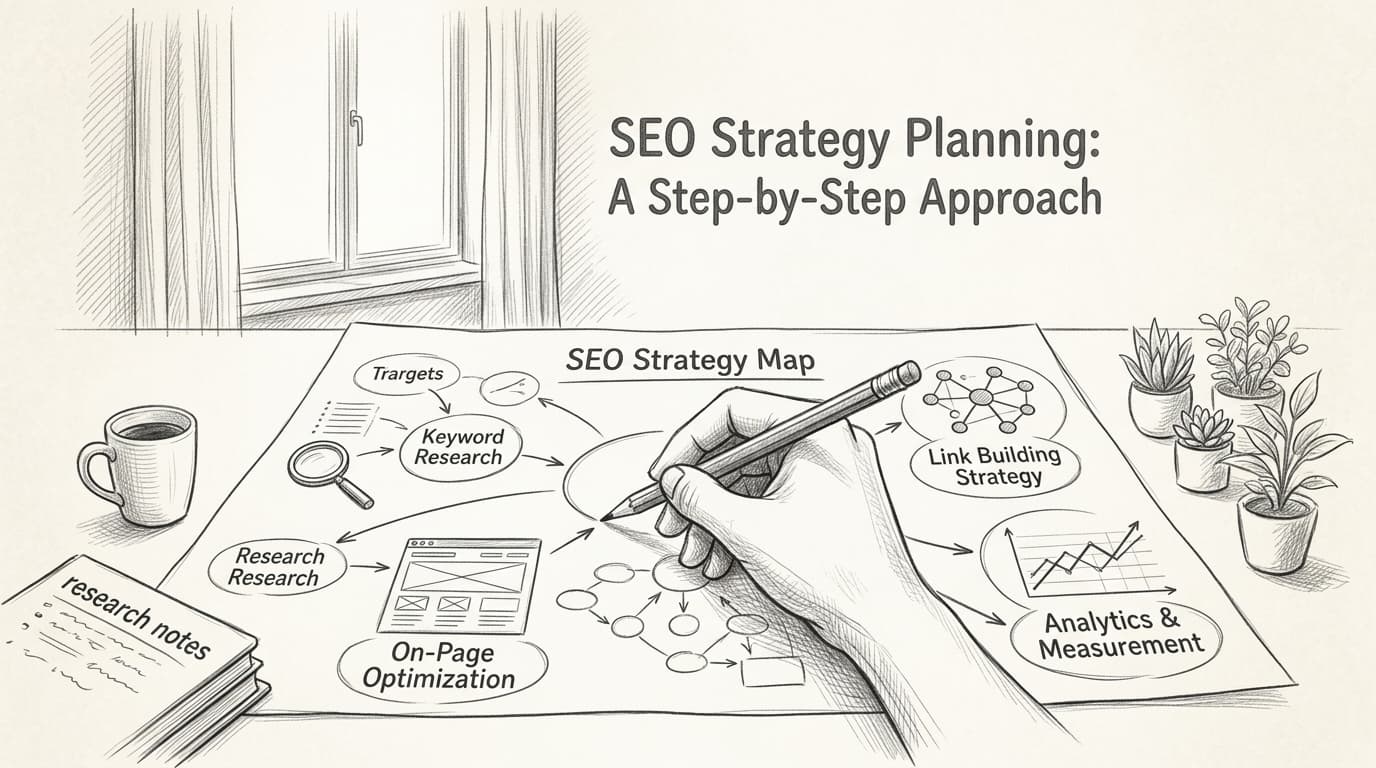
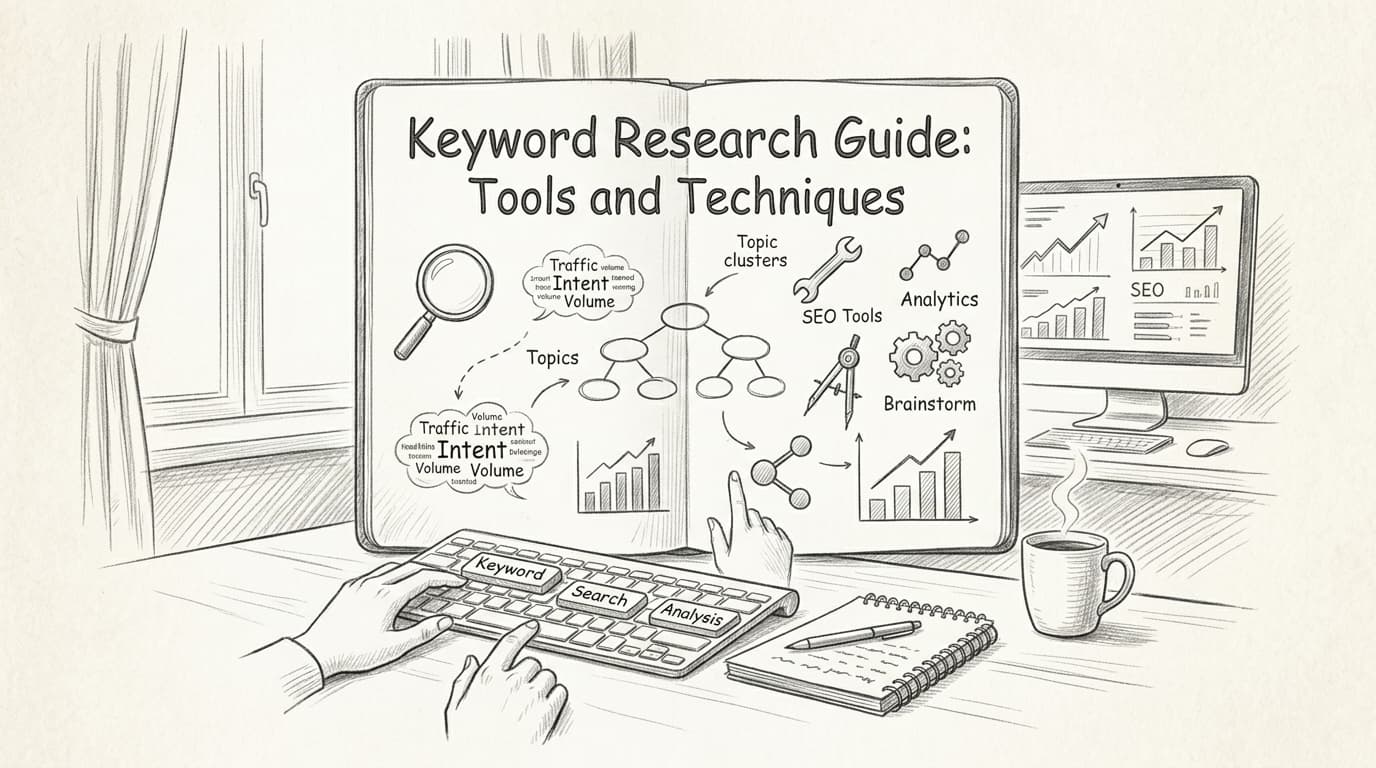
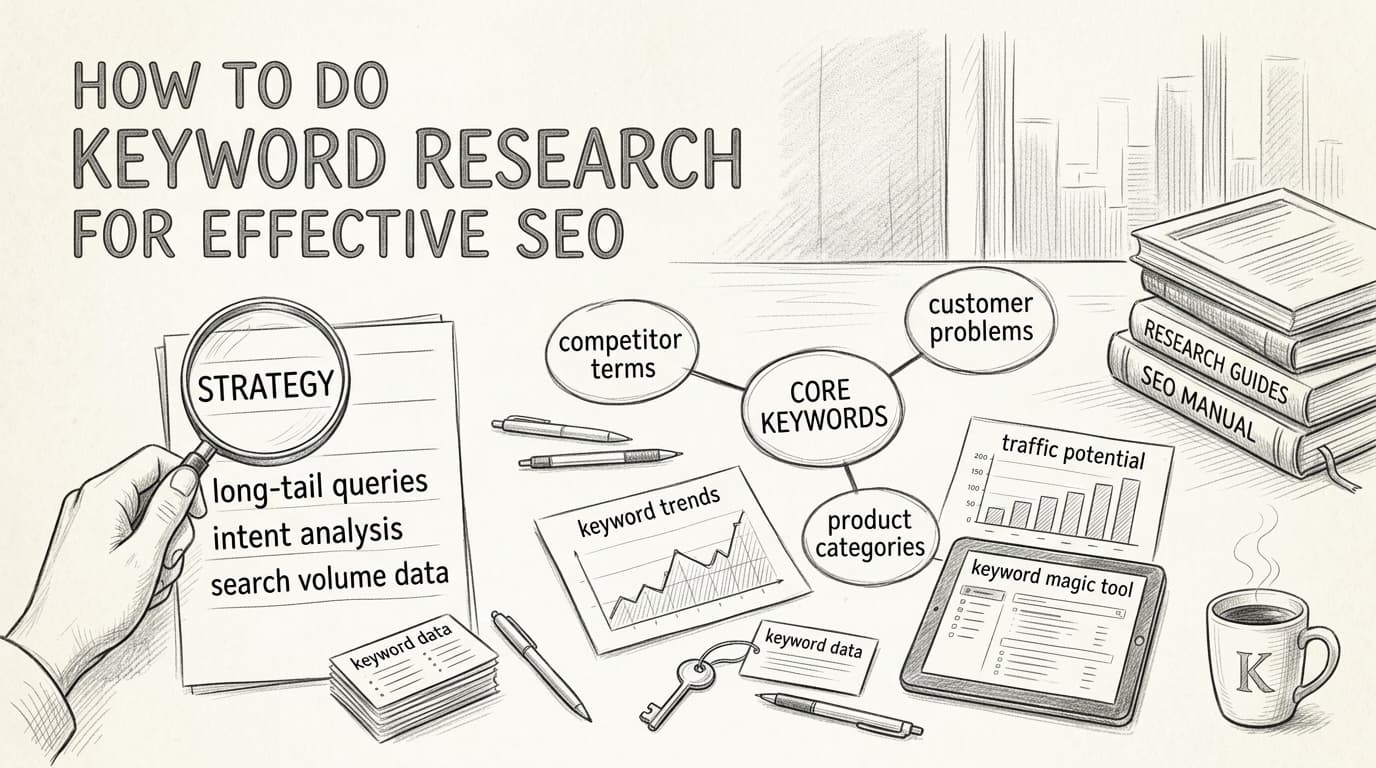
Content marketing for SEO means creating and optimizing valuable content specifically to boost your website’s visibility and rankings in search engines. In 2026, the most effective content marketing strategies don’t just drive any traffic—they generate highly targeted, ready-to-convert organic visitors, while making your SEO research and optimization dramatically more efficient.
Here’s an uncomfortable truth: 89% of web pages still get no organic traffic from Google at all. Not a trickle. You pour hours into SEO keyword research, sweat over blog post angles, and still watch your content gather digital dust. Maybe you’ve chased dozens of “quick wins” with new tools or recycled the same old tactics, only to get mediocre search results that leave you questioning if content-driven SEO works anymore.
If you’re frustrated by stagnant keyword growth, overwhelmed by the relentless grind of content production, and bombarded with conflicting SEO advice, you’re not alone. The landscape is noisier and more competitive than ever. But here’s a secret: the problem isn’t Google’s algorithm. It’s the way most brands treat content marketing for SEO—as a box to tick, instead of a dynamic system that adapts, learns, and compounds over time.
The good news? When you approach it right, content marketing can turn SEO from an endless treadmill into a powerful engine for organic growth. This guide will show you how the smartest marketers crack the code in 2026—by aligning in-depth audience insights, next-gen keyword research, and AI-powered optimization to accelerate traffic and business results.
You’re about to discover why content marketing is essential for ranking (and staying ranked), how strategy can transform your search visibility, and what actually works when algorithm updates hit. Ready to break the cycle and build search dominance that lasts? Let’s dive in.
Why Content Marketing is Essential for SEO Success in 2026
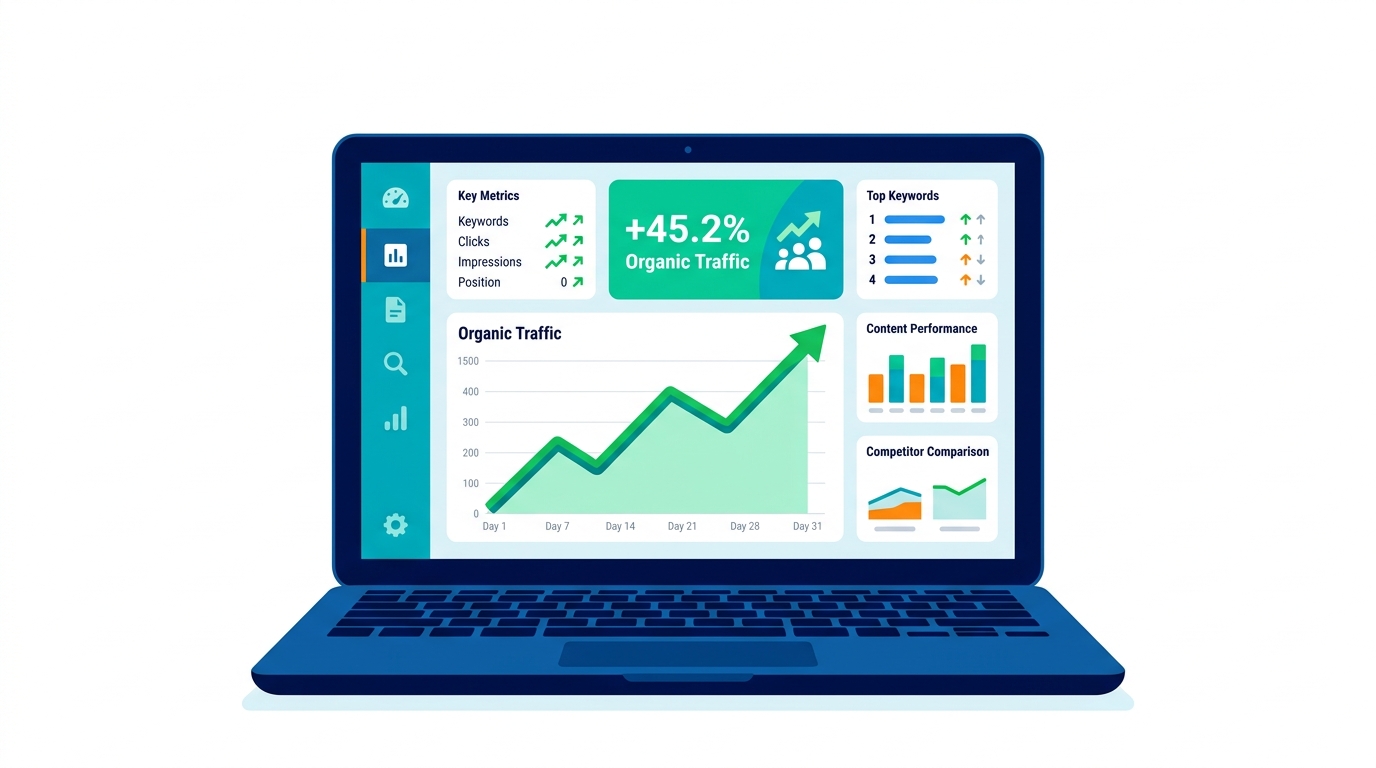
Content marketing isn’t just one piece of the SEO puzzle anymore—it is the entire framework holding your search strategy together. In 2026, ignoring content marketing is the fastest way to fall behind in organic search, lose high-intent leads, and waste budget on unwinnable paid campaigns.
Here’s the key stat: Content marketing drives 3x more leads than traditional marketing, while slashing costs by 62% (Content Marketing Institute, 2026). That’s where the industry is now, and the gap is widening.
If you're still clinging to generic landing pages or chasing paid ads for every campaign, that's a recipe for spiraling CAC (Customer Acquisition Cost) and stagnant organic reach.
What role does content marketing play in SEO?
Content marketing is the strategic creation and distribution of valuable, relevant content to attract and engage your target audience. Unlike vanity-driven “blogging for the sake of blogging,” it’s built around keyword research, topic clusters, and search intent—all SEO fundamentals.
Without this alignment, you end up publishing content nobody searches for or cares about. That’s the SEO equivalent of shouting into an empty room.
What kind of results can content marketing deliver for SEO?
Smart, focused content marketing transforms how your site ranks and converts.
Take this real scenario: A mid-sized SaaS firm revamped their content engine to focus on search-intent driven guides, in-depth product comparisons, and original industry research. The result? Organic traffic jumped by 150% in under a year. No budget blowout—just ruthless priority on what their audience searched for and valued.
That’s not a fluke. Similar results appear across e-commerce, B2B, and SaaS when content is built for both humans and algorithms. User signals (time-on-page, repeat visits), backlinks, even branded search volume—all shoot upward when content truly solves problems, not just ticks boxes.
How does the ROI stack up? See the numbers.
Content marketing isn’t just “cheaper.” It creates compounding returns paid ads can’t match. Here’s how the ROI compares across three channels.
| Channel | Avg. ROI (2026) | Cost per Lead | Longevity | Example Use Case |
|---|---|---|---|---|
| Content Marketing | 6:1 | $38 | Evergreen | SEO-optimized blog, guides |
| Traditional Marketing | 2:1 | $115 | Short-term | Trade shows, print, cold calls |
| Paid Advertising (PPC) | 1.7:1 | $80 | Short bursts | Search ads, paid social |
Bottom line: Content marketing delivers lasting value for less—especially when tightly integrated with SEO. That 6:1 ROI isn’t a pipe dream; it’s the new standard for brands investing seriously in organic search.
What’s the actionable first step for better SEO and content alignment?
Audit your existing site content. Look for these red flags:
- Thin, low-value pages (under 300 words, no clear keyword target)
- Topics out of sync with what your audience searches for in 2026 (not 2022)
- Cannibalized or duplicate themes competing for the same keyword
- Outdated data, statistics, or case studies undermining credibility
Map your top-performing pages to high-intent keywords and spot the gaps. Every content audit is an opportunity to outmaneuver less disciplined competitors—not just to patch up legacy content, but to build a plan that grows rankings and revenue together.
Key takeaway: In 2026, content marketing isn’t an optional SEO add-on. It’s the engine driving sustained, high-ROI organic growth—and every brand not taking it seriously is leaving money on the table.
How Does Content Marketing Improve SEO Rankings?

Imagine slogging away at your website, tweaking title tags and alt text, yet still buried on page four. Most brands get stuck here—spending hours on technical tweaks, wondering why rankings won’t budge. Then the turning point: they start publishing keyword-driven blog posts, attracting industry voices, and overnight (it feels that way) their SERP positions climb.
Here’s the truth: content marketing is the single most reliable lever for SEO growth in 2026. Search engines reward sites that answer real questions with clarity, depth, and intent-matching relevance. Get this right, and everything else becomes easier—especially earning backlinks, driving engagement, and rising in organic results.
How Does Creating Content Impact Your SEO Directly?
Content marketing improves SEO by increasing keyword relevance and generating backlinks, two of Google’s biggest ranking signals. It’s not about churning out fluff or generic pages. It’s about publishing content that matches what people search for and answers their questions better than competitors.
Statistically, the impact is wild: sites with active blogs clock 434% more indexed pages (HubSpot, 2026). More indexed pages means more opportunities to rank. It also means search engines see your site as an authority.
Think about two blog approaches. The first piles up generic posts about industry news—neither focused nor helpful for actual queries. The second builds a library of detailed, keyword-rich guides addressing pain points and search intent. The difference shows directly in your rankings. Search engines are ruthless about intent matching; vague or off-topic content collects dust, while rich, focused posts climb fast.
What Role Does Keyword Integration Really Play?
Keyword integration means tactically placing relevant terms so search engines “understand” your page. Decades ago, this meant stuffing keywords everywhere. Don’t try that now—modern rankings hinge on subtlety and natural phrasing.
It’s a balancing act: too little, and you won’t rank. Too much, and you get penalized. Advanced sites research queries, map them to intent, and weave primary and secondary phrases into headings, body text, image alt text, and meta descriptions. This drives indexation and click-worthiness.
How Does Content Drive Link Building?
Links remain a massive SEO signal. Great content attracts links organically—from other sites, news outlets, even competitors. Publish something definitive—a comprehensive whitepaper, robust guide, original research—and people reference it.
That’s why 2026’s top-ranking sites aren’t just publishing more; they’re publishing better, deeper, more targeted content. According to SEMrush’s 2025 State of Content Marketing report, 82% of top-ranking pages rely on comprehensive content strategies—not just frequency, but real substance and depth.
What’s the Step Most Brands Get Wrong?
Too many marketers copy-paste “SEO best practices” with zero context, then wonder why results lag. The move isn’t flooding shallow posts—it’s implementing a keyword strategy grounded in search intent, real user questions, and up-to-date trends. Use tools, analyze what ranks, and map every content effort to concrete search demand.
Content marketing isn’t just fuel for SEO—it’s the engine. Want to rank in 2026? Build content around your customers’ questions, integrate keywords naturally, and make every page link-worthy. That’s what separates brands stuck on page four from those dominating first results.
Key takeaway: If you're serious about SEO this year, content marketing isn’t optional—it’s non-negotiable. Sites investing in purposeful, relevant content pull ahead everywhere that matters.
What Are the Best Content Marketing Strategies for SEO?
The best content marketing strategies for SEO in 2026 are publishing evergreen content, integrating multimedia (especially video), and optimizing every asset for voice search. These boost organic visibility, long-term engagement, and high-authority backlinks.
Want a stat to prioritize? Backlinko’s 2025 study found pages with more than 2,000 words earned 56% more backlinks than shorter pages. Depth wins in organic search—period.
Search engines keep doubling down on truly comprehensive content. Thin, regurgitated posts don’t rank on page one for competitive queries anymore.
How Do Depth, Media, and Voice Search Optimization Improve SEO?
Comprehensive, multimedia-rich pages keep visitors longer, earn more links, and answer more search intents—all signals Google, Bing, and Gemini reward.
You can’t crank out 500-word posts on trending topics and expect to win. Instead, aim for:
- Evergreen content: Guides, resources, or references that attract traffic year after year. Google loves them; readers do too.
- Multimedia integration: In 2026, video is projected to make up 82% of internet traffic (Cisco, 2026). Go beyond text. Think videos, infographics, podcasts.
- Voice search optimization: Nearly half of U.S. households use smart speakers. Optimize for natural language and question-based queries.
Which Content Types and Distribution Channels Drive SEO Growth?
A winning strategy combines content types across channels with the highest organic reach potential. Here’s a quick look:
| Content Type | Ideal Channel(s) | SEO Benefit | Pro Tip |
|---|---|---|---|
| How-to videos | YouTube, Blog, Social | Featured snippets, traffic, links | Embed transcripts for extra SEO juice |
| Long-form articles | Website (Pillar Pages) | Backlinks, dwell time | Use hub/internal linking to cluster topics |
| Product tutorials | YouTube, Knowledge base | Branded search + engagement | Timestamp key steps for rich snippets |
| Podcasts | Apple, Spotify, Blog | Authority links, niche traffic | Publish show notes with keywords |
| Infographics | Blog, Pinterest, Social | Shareability, link attraction | Add alt text and schema for images |
Real-World Example: E-commerce Brand Using Video to Win SEO
Not convinced? See how Allbirds turned video tutorials into an organic traffic engine. By producing explainer videos like “How to Clean Wool Sneakers” and embedding them on product pages, Allbirds captured video search traffic and conventional keyword rankings. These pages earned high-quality backlinks from fashion and lifestyle sites referencing their expert content.
The kicker? “How-to” queries drove more conversions than generic product keywords—because users found value and trust before clicking “Buy.”
What Steps Actually Work? Build a 2026-Ready Content Calendar
Want repeatable, scalable growth? Develop a content calendar aligning every piece with concrete SEO objectives—and track performance. Top teams structure it like this:
- Map primary SEO goals (e.g., rank for specific keywords, capture snippets, earn backlinks)
- Brainstorm content types—balance text, video, and audio based on audience consumption. Tools like those in the best free SEO tools collection help.
- Schedule evergreen and seasonal pieces to maintain steady traffic and capitalize on trends
- Assign distribution platforms (blog, YouTube, social), matching channel strengths
- Review performance monthly—double down on content that attracts links, dwell time, and rankings
Key takeaway: A diverse, multimedia-driven, and voice-optimized content strategy isn’t just “nice to have”—it’s the fastest, most sustainable path to organic search dominance in 2026.
Those who build wide-ranging, evergreen-rich content calendars—and deliver real value, not fluff—clean up in search rankings. Anything less is hoping for luck.
How to Measure the Impact of Content Marketing on SEO
Measuring content marketing’s impact on SEO means tracking the right data—and acting on it. You need tools like Google Analytics, SEMrush, and Search Console to monitor organic traffic, rankings, and conversions. Miss this, and you’re throwing darts blindfolded.
What Are the Key Metrics for Content Marketing & SEO Success?
Content marketing moves the SEO needle only if you focus on what matters. Organic sessions, keyword rankings, bounce rate, pages per session, conversion rate—they’re not vanity numbers. They’re early warning systems and success signals.
Here’s what seasoned marketers track:
- Organic traffic: How many visitors arrive from unpaid Google searches?
- Keyword rankings: Where does your content appear in SERPs?
- Conversion rate: How many visitors take a desired action after visiting?
- Engagement metrics: Pages per session, time on page, bounce rate.
- Backlinks generated: Are people referencing your content?
Key takeaway: If you track nothing else, watch organic traffic and conversions. These reveal if content is driving real business outcomes.
Setting Up Your SEO & Content Marketing Dashboard
A dashboard isn’t just a pretty chart. It’s how you spot what works—and what fails. According to MarketingProfs (2026), 72% of marketers rank analytics as essential for content marketing success.
Set up an actionable data hub:
- Connect Google Analytics and Search Console for basics: traffic, keywords, click-through rates.
- Integrate SEMrush or Ahrefs for backlinks, keyword movement, competitive benchmarks.
- Layer in your business metrics: sales or leads, email signups, demo requests from organic content.
- Automate weekly and monthly reports to measure goals.
Keep dashboards simple and focused. Too many widgets drown you in noise—miss the signals. For a starting point, see the technical SEO checklist to ensure data accuracy.
Real-World Example: Before/After Content Campaign
Content marketing’s impact isn’t instant, but the difference can be massive.
An e-commerce brand launched deep-dive blog posts targeting "AI productivity tools for remote teams." Here’s what happened:
| Metric | Pre-Campaign (Feb 2026) | Post-Campaign (Apr 2026) |
|---|---|---|
| Monthly Organic Visits | 9,500 | 14,800 |
| Average Keyword Position | 23 | 12 |
| Organic Conversions | 108 | 192 |
| New Backlinks | 5 | 22 |
| Pages/Session | 1.6 | 2.9 |
Within 60 days, organic visits jumped 56%, average position for key keywords nearly doubled, and conversions soared. That’s tracking real impact.
Which Tools Should You Use to Measure Content Marketing Performance?
No tool does it all, but a few are non-negotiable for SEO-driven content marketers:
- Google Analytics: Backbone for user behavior.
- Google Search Console: Vital for keyword queries and indexing.
- SEMrush & Ahrefs: Leaders for competitive tracking, backlinks, keyword gaps.
- LazySEO: Streamlines content audit and quick SEO wins.
For metadata optimization, the Meta Description Generator can boost click-through rates—a win for your toolkit.
Bottom Line: Don’t “Set and Forget” Your Analytics
Effective content marketing means tracking, learning, and pivoting. Set clear KPIs, build a visible dashboard, and revisit data often—not just post-campaign, but consistently. Otherwise, your content is just noise.
Want proof? HubSpot’s 2026 survey found 67% of marketers rate video as top content for moving rankings—but only those tracking performance see payoff. Don’t guess. Measure everything or your SEO efforts fall short.
Curious how your pages stack up? Start benchmarking and stop flying blind.
Content Marketing vs. SEO: What's the Difference?
"Is your content moving the SEO needle, or are you just throwing words into the void?" Every marketing team debates this. Here’s the answer: Content marketing creates value for your audience, while SEO ensures that value gets discovered. Ignore either, and growth stalls.
The best teams don’t treat content marketing and SEO as rivals fighting for budget. They treat them as two essential engines—one builds what matters, the other launches it into orbit. In 2026, 60% of marketers integrate content marketing directly with SEO strategies, per Content Marketing Institute. That number isn’t dropping—brands clinging to siloed teams fall behind.
What Separates Content Marketing from SEO—And Why Combine Them?
Content marketing produces and distributes valuable, relevant content that solves user problems, builds authority, and keeps audiences returning. Think guides, product explainers, webinars, templates, deep-dive blogs. The aim? Build trust, engagement, and audience.
SEO (Search Engine Optimization) optimizes content (and your site) so search engines find, understand, and serve it to people exactly when they need it. It’s technical and ever-evolving—keyword research, on-page tweaks, structured data, site speed, UX.
Treating SEO as an afterthought once content’s done is a huge mistake. The best content means nothing if nobody finds it. Over-optimizing thin, robotic posts never builds loyal fans. You need both.
A 2026 CMI study found teams merging content marketing and SEO saw up to 38% higher organic traffic thanks to Google Analytics' AI-driven attribution update. The takeaway: isolated strategies kill momentum; integration compounds results.
Real-World Example: Team Roles in an Integrated Approach
Picture a mid-sized SaaS company. Here’s how an integrated team splits duties:
- The content strategist maps the customer journey, brainstorms topics users care about, sets editorial priorities based on data.
- The SEO specialist runs keyword gap analysis, shapes content outlines to match intent, ensures technical best practices (schema, linking, crawlability).
- The writer creates engaging, practical content written for readers—not robots.
- The analyst tracks rankings, traffic, conversions, then closes the loop: What content drives value? What needs updating?
Everyone shares responsibility for content quality and search performance. No “SEO briefs” tossed into a void or pretty blogs nobody reads.
Content Marketing Goals vs. SEO Goals vs. Combined Goals
| Content Marketing Goals | SEO Goals | Combined Goals |
|---|---|---|
| Build audience trust & authority | Improve keyword rankings | Capture ready-to-buy searchers |
| Increase brand awareness | Boost organic traffic | Generate high-quality inbound leads |
| Drive engagement & return visits | Enhance visibility in search results | Attract engaged, loyal subscribers |
| Educate and nurture leads | Achieve technical site health | Fuel compounding long-term growth |
| Support sales enablement | Secure rich snippets/rank for features | Dominate relevant, high-intent topics |
Key Takeaway: You Need Both—Here’s Why
Bottom line: You can’t slap keywords on landing pages and call it strategy. Content marketing and SEO are joined at the hip. Integration means your best ideas don’t get buried—and your audience finds them right when searching. If you aren’t combining the two, your competitors are happy to take your traffic.
Proof? Marketers leveraging Google Analytics' AI-driven attribution in 2026 see the clearest wins from teams letting content strategy and SEO optimization work together.
AI-powered platforms now highlight which content delivers organic value—helping you stop guessing. That’s real progress.
Future Trends in Content Marketing for SEO
AI-generated content, interactive experiences, and deep personalization will dominate content marketing for SEO’s future. Brands adapting early will seize SERP real estate while competitors scramble.
Marketers pushing tired blog formats already lose ground. The landscape evolves faster than any Google algorithm update. It’s seismic.
By 2027, 85% of marketers plan to ramp up AI-driven content strategies. (Gartner, 2026)
Here’s what’s coming, not just industry noise—it shapes how sites win organic traffic, leads, and loyalty.
How Emerging Trends Will Redefine Content Marketing for SEO
Vanilla, one-size-fits-all content is over. AI-generated and interactive content capture attention and boost rankings. Personalization—down to individual visitor or account—isn’t just an edge; it’s becoming baseline.
Table: Top Trends in Content Marketing for SEO (2026 vs. 2022)
| Trend | 2022 Status | 2026 & Beyond | Why It Matters |
|---|---|---|---|
| AI-Generated Content | Early adopters only | Mainstream, sophisticated | Quality & scale at lower cost |
| Interactive Content | Niche experiments | Essential for engagement | Boosts dwell time, shares |
| Hyper-Personalization | Limited to big brands | Standard for all segments | Increases relevance, loyalty |
| Voice & Visual Search | Emerging trend | Embedded in every strategy | Matches real search behavior |
| Zero-Click SEO | Annoying challenge | Primary traffic channel | Ensures you’re “found” |
| AI SEO Assistants | Optional accessory | Table stakes for teams | Replaces manual grunt work |
Bottom line: If you’re not adopting these trends now, your traffic forecasts are wishful thinking.
What Does Real-World Adoption Look Like?
Picture a mid-sized e-commerce retailer in 2026. Instead of generic “gift ideas” articles, it uses an AI platform to auto-generate product recommendations based on search intent, browsing history, and trending data—updated in real time.
The result? A first-time visitor landing from a long-tail query (“eco-friendly birthday gifts for teens”) sees interactive filters, personalized suggestions, and dynamic comparison charts. Site metrics spike: 33% lift in time-on-site, 17% more pages per session, and a conversion rate that sends “set-and-forget” content to the recycling bin.
This isn’t hypothetical; it’s becoming standard in 2026. Marketers ignoring these tools aren’t skipping incremental gains—they’re risking irrelevance.
Why Is AI-Driven Content Creation a Game-Changer?
AI-generated content isn’t about replacing your team—it automates grunt work so experts focus on differentiation. Machine-generated outlines, drafts, custom schema, and automated optimization for search intent free your time and firepower.
Personalization multiplies impact. Tailored content—blog recommendations, dynamic FAQs, custom landing pages—lowers bounce rates and boosts rankings. Even Google and Bing’s AI-powered search features prioritize user-centric, adaptive content.
What Should You Do Next?
Start now—experiment with AI tools to optimize and personalize content for search. Don’t wait for Google to make these signals mandatory. Get your team familiar with AI drafting, conversational interfaces, and interactive elements that drive engagement.
Key takeaway: Content marketing for SEO is shifting from “publish and pray” to “dynamically serve and win.” Passive marketers will miss the next wave.
Want staying power on SERPs—in a world where competitors have the same baseline tools? Evolve with these trends. Lower manual overhead, personalize everything, and make content truly interactive. Otherwise, your search real estate will be overtaken by those who got a head start.
For more on AI and content, see Gartner’s 2026 Digital Marketing Trends Report. If you’re not reading it, your competitors are.
Your SEO Edge Starts Here
Ready to boost rankings? The most effective move is creating high-quality, search-focused content consistently. Prioritize topics your audience searches for, optimize each piece, and track what drives results. Trends evolve, but valuable, relevant content always wins with users and search engines. Tools like LazySEO simplify workflows—helping you find keyword opportunities, optimize content, and measure impact faster. The future belongs to brands treating content marketing and SEO as one strategy. Start refining your approach today, and watch your visibility and authority grow in 2026 and beyond.