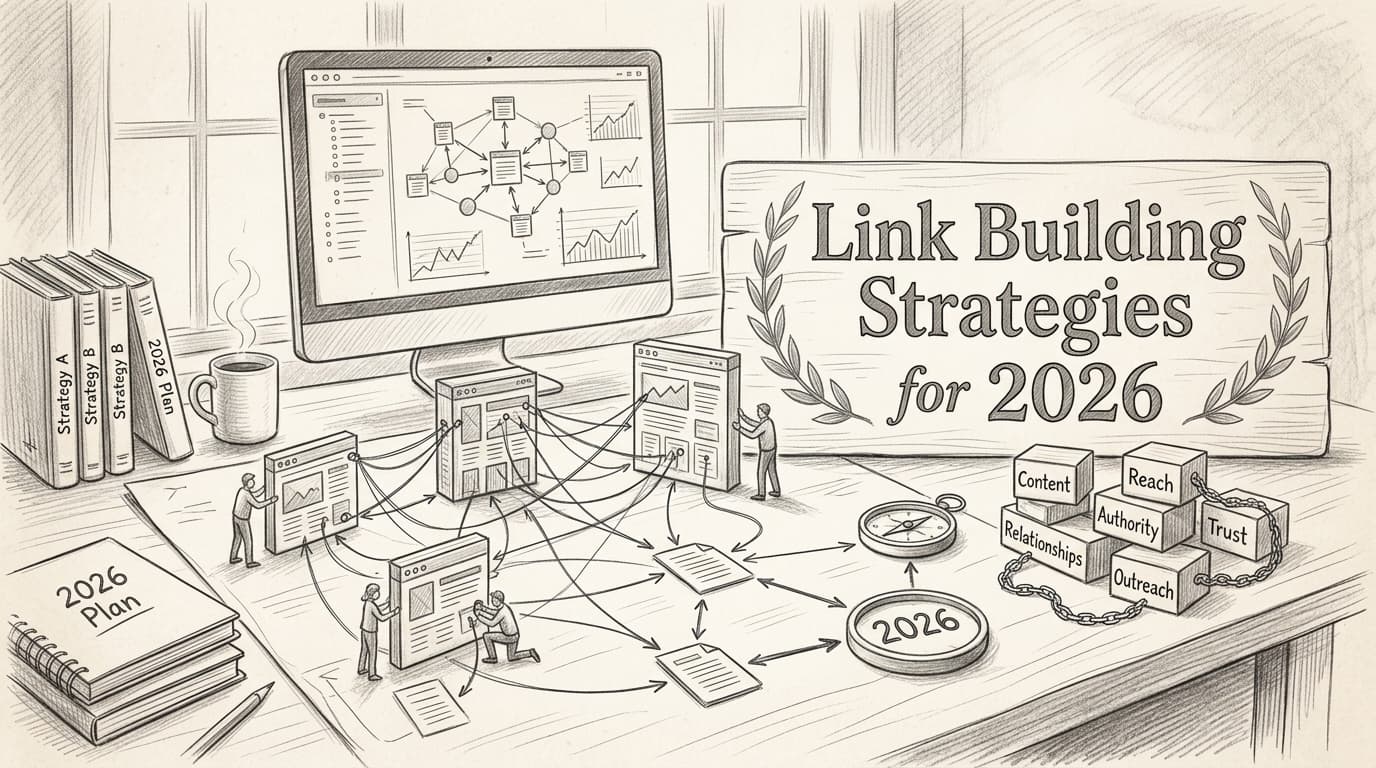
Link building strategies are the foundation of successful SEO in 2026, driving your website’s authority and visibility by earning high-quality backlinks from relevant, trustworthy sites. The most effective strategies combine smart outreach, valuable content, and a keen understanding of what search engines prioritize to boost organic rankings and generate sustained traffic. If your efforts rarely translate into results—and the “rules” keep shifting—you’re not alone.
A staggering 94% of content online gets zero external links. You pour hours into keyword research, publish great content, optimize every on-page element, yet organic traffic remains low. Meanwhile, competitors seem to have cracked a secret code, consistently ranking higher. What are they doing that you’re not? Why do your outreach emails go ignored, and why does every “easy win” become a black hole of wasted time?
There’s no secret shortcut. Link building isn’t about chasing every trendy tactic or automating your way to page one. It’s a strategic discipline requiring a deeper understanding of quality, context, and relationships. Google's algorithms, fueled by AI and focused on authenticity, have evolved. Today’s strategies must outsmart competitors and sophisticated detection of manipulative practices.
This guide cuts through the noise to reveal what works in 2026. You’ll learn how modern link building uses original content, targeted outreach, and data-driven tactics to drive real results—without burnout or common traps. Whether scaling a SaaS startup or rebuilding traffic for a mature e-commerce brand, you’ll gain clarity, confidence, and actionable advice to elevate your SEO approach.
Ready to decode what separates today’s link building winners from the rest? Let’s dive in.
Why Link Building is Crucial for SEO Success in 2026
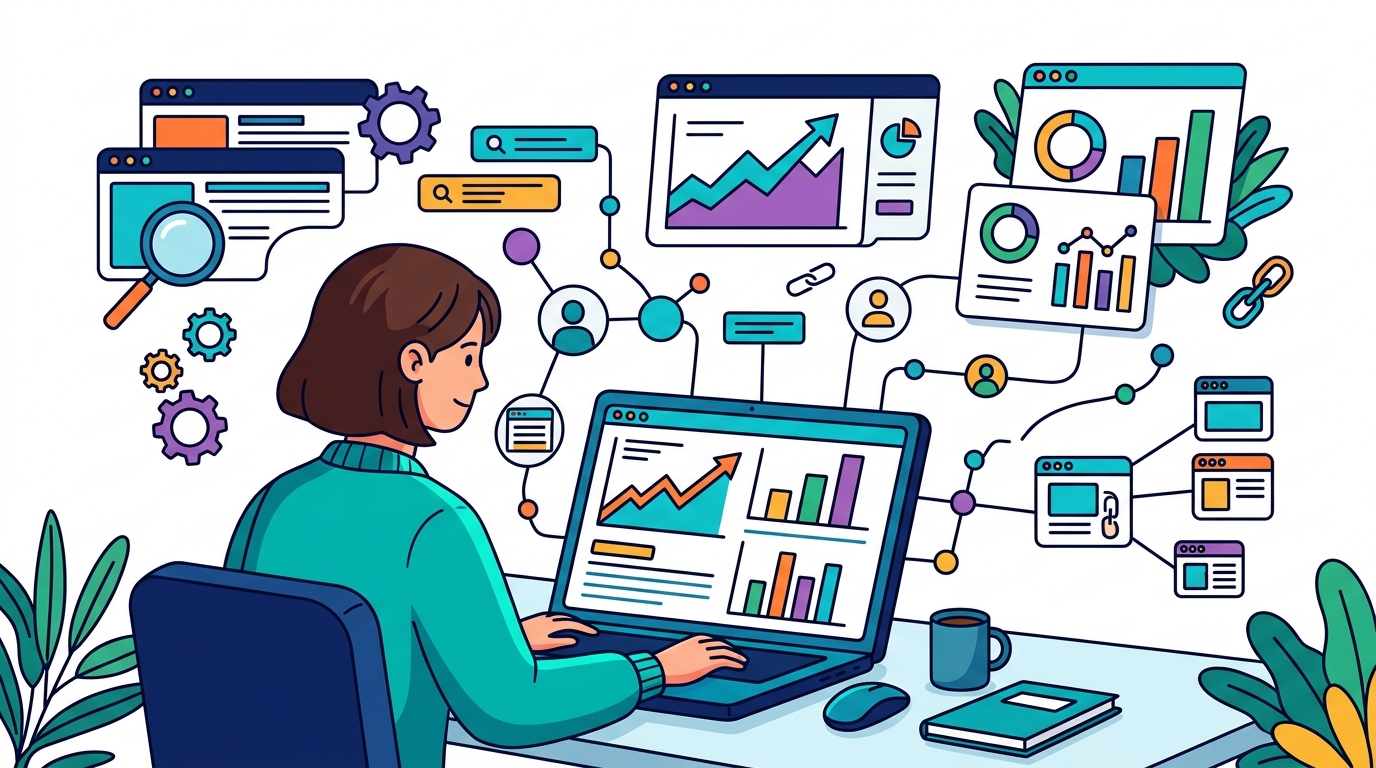
Link building isn’t just alive in 2026—it’s doing the heavy lifting for high-impact SEO. Ignoring backlinks lets competitors siphon off the best organic traffic while your content sits idle on page two.
Bottom line: Backlinks remain a top-ranking factor in Google’s algorithm, influencing over 50% of all search results. You can publish the best blog post on any keyword, but if nobody trustworthy links to it, good luck making it past rank 15.
How Has Link Building Evolved in 2026?
AI-driven search makes authority more transparent and less forgiving. Google's Gemini algorithm and AI overlays emphasize trust signals. Who links to your site matters more than quantity. Spammy outreach and PBN tricks from 2020 will get you nowhere—or worse, penalized.
The real game is earning high-quality links from reputable, topical sources: digital PR, resource pages, real guest posts, or mention-worthy data. Generative AI tools scan link profiles to decide if your brand surfaces as a suggested answer. Without real endorsements from strong sites, you won’t be the AI’s first pick.
What’s Actually Driving SEO Results in 2026?
One SaaS company in project management—“Flowly”—was stuck at 20,000 organic monthly sessions for months. After a focused link building sprint prioritizing digital PR placements and targeted outreach to industry blogs, organic traffic doubled to over 40,000 sessions in 90 days. Their secret? Not chasing links everywhere, but targeting sites with high topical authority and visible search traffic.
The takeaway: smart, quality-driven link building creates compounding growth. A handful of the right links can yield category-defining results.
Why Link Audits Are Your New Starting Line
If it’s been over six months since you reviewed your backlink profile, you’re missing low-hanging fruit. Before chasing new links, figure out what’s working—and what’s holding you back.
Key steps for your 2026 link audit:
Use a backlink tool like Ahrefs, SEMrush, or Moz.
Sort links by authority and relevance—not just DA, but topical trust and recent activity.
Find lost or broken high-value links. Can you reclaim them with outreach?
Spot spammy or toxic links. Disavow anything dragging you down.
Benchmark against direct competitors. See which referring domains help them outrank you.
Skip this, and you’re guessing—wasting energy repeating known mistakes.
Key Takeaway for 2026
Backlinks power traditional and AI-driven search rankings, with high-quality, trustworthy links your ticket to top results. A focused backlink audit unlocks new opportunity fast.
Put link building on autopilot—or ignore it—and you hand your keyword wishlist to competitors. Get proactive, and you’ll see why it still pays dividends in 2026.
For more on Google’s ranking factors, see this deep-dive study from Search Engine Journal.
What Are the Most Effective Link Building Strategies Today?

A SaaS company launched a full-scale link building blitz in early 2026. Stuck on page two for every lucrative keyword, three months later organic traffic exploded by 89%, and leads from search doubled. You don’t see that without a sharp, modern backlink playbook.
Link building isn’t a side quest anymore. It’s the main highway for serious digital businesses winning SEO in 2026. Top-ranking pages nearly all have fresh, high-authority links—78% of first-page results earned at least one authoritative backlink in the past year. Waiting for “natural” links? Losing mindset.
What drives results now? Start with competitor backlink replication. Track who links to market leaders, then work those sources for your site. Industry data shows 70% of pages in top three SERPs use this tactic. If rivals get links from TechCrunch, Capterra, or SEMrush, you should too. Tools like Ahrefs and SEMrush make this easy—flag links, reach out, and pitch your superior content or unique take.
But best SEOs don’t stop at imitation. They chase overlooked opportunities. Enter broken link building. Find outdated or dead links on high-authority sites and offer your resource as a replacement. You’re not just fixing the web—you slot your content into authority pages with established traffic and trust.
Picture an e-commerce retailer in late 2025. A popular industry blog had dozens of resource pages, but several top links returned 404 errors. Their content team produced updated guides matching those dead resources. A smart, value-heavy email outreach scored placements on five top authority sites. Result? A 30% jump in domain authority and a growing referral pipeline.
Why does broken link building work? Simple: You solve a real problem for site owners. Dead links hurt UX, authority, and rankings. Offering a clean replacement makes life easier for webmasters and exposes your brand to their audience. Win-win. Much better than cold-pitching content with no clear advantage.
Bottom line: In 2026, effective link building isn’t about volume or luck. It’s targeted, high-impact tactics tied to what works for market leaders. Replicate the best, outsmart the lazy, and fill gaps others leave behind.
Still relying on “old school” tactics—blogroll swaps, spammy directories, begging for links? Stop. Working strategies are precise, data-driven, and built on real value. Sites embracing this playbook climb rankings and leave competition behind.
Want numbers? Backlinko's report analyzed over 11 million SERPs and found relevant, authoritative links are the strongest predictor of top-three rankings in 2026. The landscape has changed—ignore these strategies at your peril.
How to Leverage Content for Link Building
Smart link building strategies share one core tactic: turning content into a magnet for quality backlinks. A recent survey found 62% of marketers say digital PR and content-fueled tactics deliver the highest ROI for link acquisition. To get links from real, authoritative sites—not spam directories—your content must pull weight.
What Types of Content Attract Backlinks?
‘Link bait’ content earns natural links because it’s valuable or newsworthy. Forget 500-word keyword-stuffed posts. Aim for:
Original research – Own the data, own the mentions.
Infographics – Visual stories get shared widely.
Definitive guides – Go-to explainers.
Interactive tools – Calculators, checklists, generators.
Industry trend reports – Fresh stats journalists love.
These require more effort and upfront investment. But results pay off. One agency landed 100+ backlinks from a single infographic on e-commerce conversions. Thin, recycled posts don’t scale like that.
Table: Content Type vs. Link Potential vs. Resource Requirement
Content Type | Link Potential | Resource Requirement |
|---|---|---|
Original Research | Very High | High (time, unique data) |
Infographics | High | Moderate (design, data) |
Definitive Guides | Moderate to High | High (expertise, time) |
Interactive Tools | Very High | Very High (dev/design) |
Industry Reports | High | High (analysis, writing) |
Thought Leadership | Moderate | Moderate (unique POV) |
Basic Blog Posts | Low | Low |
Bottom line: Original research and interactive tools offer highest link potential in 2026; infographics and guides punch above their weight for average budgets.
How to Find Link-Worthy Content Ideas?
Target topics people want to link to—not just what you want to write. Use competitive intelligence:
Analyze viral topics: BuzzSumo, Exploding Topics, Ahrefs Trending panel show what’s attracting links.
Find gaps: Spot outdated, underreported, or poorly explained questions/stats in search results.
Mine social and forums: Reddit, LinkedIn, niche Facebook groups reveal friction points needing depth.
Use free tools: LazySEO’s Keyword Research Tool surfaces high-potential queries with weak SERPs begging for guides or data.
You don’t need to reinvent the wheel. Put your data spin on a proven format or update last season’s winner with fresh info and visuals.
Example: 100+ Links from a Single Infographic
A digital marketing agency saw rising chatter over e-commerce cart abandonment but outdated stats. They compiled new proprietary survey data, hired a freelance designer for a sharp infographic, and embedded shareable code. Outreach targeted journalists, e-comm bloggers, and Shopify’s community forum.
Result? Over 100 referring domains, including top commerce sites and major SaaS platforms. They reused core data in guest posts and listicles all year. That’s squeezing every drop from content investment.
If your content isn’t newsworthy, visually compelling, or practically useful, you’re just adding noise—don’t expect a flood of natural backlinks in 2026.
Which Content Type Is Best for Your 2026 Link Building?
No one-size-fits-all. With limited resources, prioritize detailed guides or data-driven infographics on proven link-demand topics. Have dev or design firepower? Push for interactive tools or exclusive research. Balance high link potential with your capacity.
For deeper backing, see Backlinko’s survey on link acquisition by content type. Average content never wins the link race.
Key takeaway: The fastest-growing link building strategies focus on content worth linking to. Skip fluff. Create for the link, not just clicks.
How Does Outreach Play a Role in Link Building?
Why do some content pieces rack up backlinks while better stuff gets ignored? Not luck. The difference isn’t just quality. It’s smart, relentless outreach.
Outreach is the most controllable link building factor. Ignore it, and brilliant guides or data studies vanish into the ether. Master it, and backlinks—and rankings—start rolling in.
Key takeaway: Outreach is essential because most sites won’t link to content they don’t know exists. Personalized outreach boosts chances dramatically.
Why is Personalized Outreach More Effective?
Personalized emails have a 30% higher response rate than generic ones, per a 2026 Campaign Monitor study. Real people spot boilerplate. Editors and marketers see a flood of “please link” messages daily.
Break through by referencing something specific on their site. Mention an article you genuinely enjoyed. Connect their content to yours. Show you care about their goals, not just yours.
What never works: “Dear Webmaster” or blasting identical messages. That’s a fast track to spam.
How Can Outreach Build Relationships (and Links) at Scale?
Many focus on raw numbers. Real leverage is relationships. Genuine connections with influencers and network growth create natural “link gravity.”
Instead of begging for one-off links, engage on social, comment thoughtfully, collaborate on content, or invite them to roundups. These micro-interactions build trust—winning placements that blasts never will.
A SaaS content marketer scored 50 high-authority backlinks by running targeted, personalized outreach and nurturing ongoing conversations. Each pitch matched recipient interests; follow-ups felt like real dialogue, not a numbers game.
Steps to Make Outreach Work for Link Building
Blueprint for outreach that beats spray-and-pray:
1. Build a high-impact target list
Focus on authoritative, relevant sites—not any with “write for us.”
Use Hunter.io, Apollo, or LinkedIn to find the right contact (not “info@”).
Prioritize contacts who've linked to similar resources.
2. Personalize every email
Reference a recent post, podcast, or tweet.
Explain why your resource adds value specifically for their audience.
Keep it short—long openings lose readers.
3. Nurture relationships
Meaningfully interact on social media.
Offer value—share their articles when relevant.
Don’t disappear after one link. Relationships compound returns.
4. Track responses and refine
Use a spreadsheet or CRM for replies and reasons.
Test subject lines and pitches. Double down on what works.
Real Impact of Effective Outreach
47% of “viral” content pulls in at least 10 backlinks within a month because they get aggressively promoted to the right people from day one.
Outreach isn’t optional. It multiplies impact. Perfect guides mean nothing if nobody hears about them.
Focus more on outreach, less on pure content creation, and watch your link profile and organic traffic grow. It’s proven in 2026.
For practical outreach tactics—including templates and follow-ups—see Search Engine Journal’s 2026 link building report.
What Are the Common Pitfalls in Link Building?
A SaaS company doubled referring domains in six months via relentless outreach and a big partner list. On paper, success. But by year’s end, organic traffic tanked, rankings dropped, and recovery took months. What went wrong? A masterclass in link building mistakes.
Link building isn’t brute force or volume chasing. Google's Penguin algorithm filters manipulative schemes aggressively. One big miss can wipe years of effort.
Why Are Low-Quality Links a Massive Mistake?
Low-quality schemes—shady directories, automated blog comments, mass link exchanges—don’t slip past Google in 2026. Penguin spots unnatural growth faster than most can react. Chasing volume with outsourced packages or reciprocal links? You’re risking your SEO.
Google’s search spam report flagged a 27% rise in manual actions against link schemes since early 2025. Cheap tactics are riskier than ever. One penalty can destroy your organic reputation, with slow recovery.
What Happens When You Rely on a Single Link Type?
If your profile is mostly guest posts—or obsessed with link exchanges—Google spots the footprint fast. A natural link graph is diverse. Relying on one type screams manipulation, regardless of quality.
Example: a national e-commerce retailer swapped hundreds of links with partners. When a core update hit, URLs tied to exchange-heavy anchor text vanished from top 100. Traffic and conversions plummeted. Recovery took a year of outreach and disavows.
Case Study: How Excessive Link Exchanges Destroyed Growth
A digital publication grew fast via an “exchange cooperative.” Newsletters, blogs, and agencies swapped hundreds of links quickly. For a quarter, things looked great—domain authority climbed, visibility soared.
Then in Q2 2025, penalties hit. Google flagged the cross-link circles as unnatural. Visibility and trust lost. Recovery cost double the time and money versus building a balanced profile from day one.
How to Safeguard Your Link Building Strategy?
Diversify like a portfolio manager.
Mix tactics: editorial placements, digital PR, unlinked brand mentions, resource pages, reputable directories, and genuine outreach. Each source plays a role in Google’s trust picture. If 80% of your links are guest posts or swaps, you’re waving a red flag.
Here’s a breakdown of link sources and their benefits/risks in 2026:
Link Source Type | Trust Factor | Risk of Penalty | Acquisition Effort | Recommended Mix |
|---|---|---|---|---|
Editorial Placements | Very High | Very Low | Moderate-High | 30-40% |
Guest Posts | High* | Moderate** | Moderate | 20-30% |
Link Exchanges/Swaps | Low | Very High | Low | <5% |
Directories/Resource Pg. | Medium | Low-Moderate | Low-Moderate | 10-15% |
Digital PR/News | Very High | Very Low | High | 10-15% |
Unlinked Brand Mentions | High | Very Low | High | 5-10% |
*High if from relevant, reputable outlets.
**Moderate if abused or from a narrow partner circle.
Leaning too heavily on one method risks filters and misses defensive diversification. Balance is non-negotiable.
Key Takeaway
Shortcuts are dead. You need genuine relationships, mixed tactics, and a portfolio of link sources. Google’s scrutinizing every pattern and source. Build like an operator, not a spammer, and you’ll stay ahead—even when rules shift overnight.
Future Trends in Link Building: What to Expect?
Picture a top e-commerce site dropping from page one to obscurity overnight due to a manual action. The cause? Paid links from an outdated agency still using “quick” 2026 tactics. Result: 70% traffic plunge and a headline case every SEO feared.
Unnatural links are riskier. In 2026, Google issued 25% more manual actions for unnatural links than last year. Agencies offering quick schemes? Watch the fallout when algorithms and webspam teams catch up. The playbook is changing fast.
What Link Building Strategies Will Matter in 2027?
Safe strategies focus on real authority signals—not manufactured ones. AI, brand strength, and legitimate digital PR will be lifelines.
Links surviving future updates align with genuine authority and trust—not mere volume.
Safe vs. Risky Link Building in 2026
Practice | Safe in 2026? | Why/Why Not |
|---|---|---|
Earning editorial links from news sites | ✔️ Yes | Gold standard for natural authority |
Buying links from PBNs | ❌ Dangerous | Near-instant detection |
Digital PR (press releases, brand news) | ✔️ Yes | Drives real exposure and organic mentions |
Automated guest posting at scale | ❌ Dangerous | AI/content filters spot patterns immediately |
Earning unlinked brand mentions | ✔️ Yes (growing) | Algorithms treat these as trust signals |
Reciprocal link exchanges | ❌ Dangerous | Easily flagged as manipulative |
If it feels like a shortcut, it’s probably not future-proof.
How AI Reshapes Link Quality Assessment
AI and machine learning now lead link evaluation. Google’s Link Spam Update (late 2025) uses AI to analyze link patterns, context, sentiment, and engagement on linked pages.
Chasing link volume won’t get far. Focus on earning meaningful mentions and links where real users engage.
Are Brand Mentions and Social Signals the "New Links"?
Traditional links matter, but brand mentions (your name without a backlink) and social signals (shares, viral posts, influencer interactions) are rising fast.
Unlinked brand mentions got a major trust upgrade with Google’s AI updates—especially from news or industry pages.
Social engagement acts as a vote of confidence. High share velocity correlates with ranking boosts.
SEO leaders predict by end of 2027, brand mentions and digital PR will account for at least 30% of ranking signals traditionally assigned to links. A seismic shift—don’t ignore it.
How to Stay Ahead?
Watching algorithm updates isn’t enough. Checklist to future-proof link building:
Prioritize digital PR: Focus on newsrooms, trade outlets, influential blogs—few mentions beat many irrelevant links.
Monitor brand mentions: Use Mention, Brand24, or Google Alerts. Build relationships with writers for eventual links.
Strengthen your social footprint: Share wins, case studies, guides. Get on podcasts, webinars, interact on LinkedIn and X.
Follow trusted SEO voices: Stay updated with Lily Ray, Aleyda Solis, Barry Schwartz to avoid blindsides.
Attend industry webinars and events: SEO moves fast—learn from trendsetters.
Key takeaway: Future-proof link building bets on trust, authority, and earned attention—not manipulative shortcuts doomed by upcoming algorithm updates.
For a deep dive on new algorithm changes affecting link signals, see SEO industry research on future ranking factors.
Ready to Build Smarter Links?
Effective link building in 2026 requires a proactive approach—build relationships and create content others genuinely want to share. The single most actionable step? Audit your backlinks and prioritize outreach to high-authority niche sites. This targets efforts for maximum SEO impact. Tools like LazySEO streamline the process, helping identify opportunities and automate tasks. Embrace trends, avoid pitfalls, and remember: the landscape evolves. Stay adaptable, keep learning, and your link-building will drive growth well into the future.
Explore our detailed step-by-step guide on building backlinks effectively to refine tactics. Ensure your site runs flawlessly with our technical SEO optimization checklist. For ongoing competitive insights feeding your link acquisition, our SEO strategy planning guide helps you stay ahead of trends.