SEO for small businesses means using targeted strategies to help your website rank higher on search engines, attract the right customers, and compete with bigger brands—without a million-dollar budget. In 2026, mastering SEO as a small business is the difference between being discovered and drifting into digital obscurity. Still, many businesses pour hours into blog posts, social updates, and flashy website redesigns, only to watch their organic traffic stagnate—or slip further behind competitors.
If this sounds familiar, you’re not alone. Over 70% of small businesses rank SEO as their biggest marketing challenge, yet fewer than half implement a strategy that gets results. It’s not because you don’t care or aren’t trying—SEO for small businesses has become a maze of algorithms, contradictory advice, and time-consuming grunt work that rarely fits into a packed schedule. You know your audience is searching for you, but juggling keyword research, on-page tweaks, and content creation feels like solving a puzzle blindfolded—all while your competition moves faster every month.
You don’t need to become an SEO guru or hire a fancy agency to level the playing field. What you need is a clear, up-to-date guide that untangles the chaos and gives you actionable techniques—tailored for small businesses—that actually work in 2026’s ruthless online landscape. This article breaks down the latest SEO essentials, from do-able ranking strategies and local search wins to tools that save time (and sanity) each week. You’ll finally stop wasting effort, make every optimization count, and future-proof your SEO.
Ready to transform your online presence from invisible to irresistible? Let’s dive into why small businesses can’t ignore SEO this year—and what you can do now to start climbing the rankings.
Why Small Businesses Can't Ignore SEO in 2026
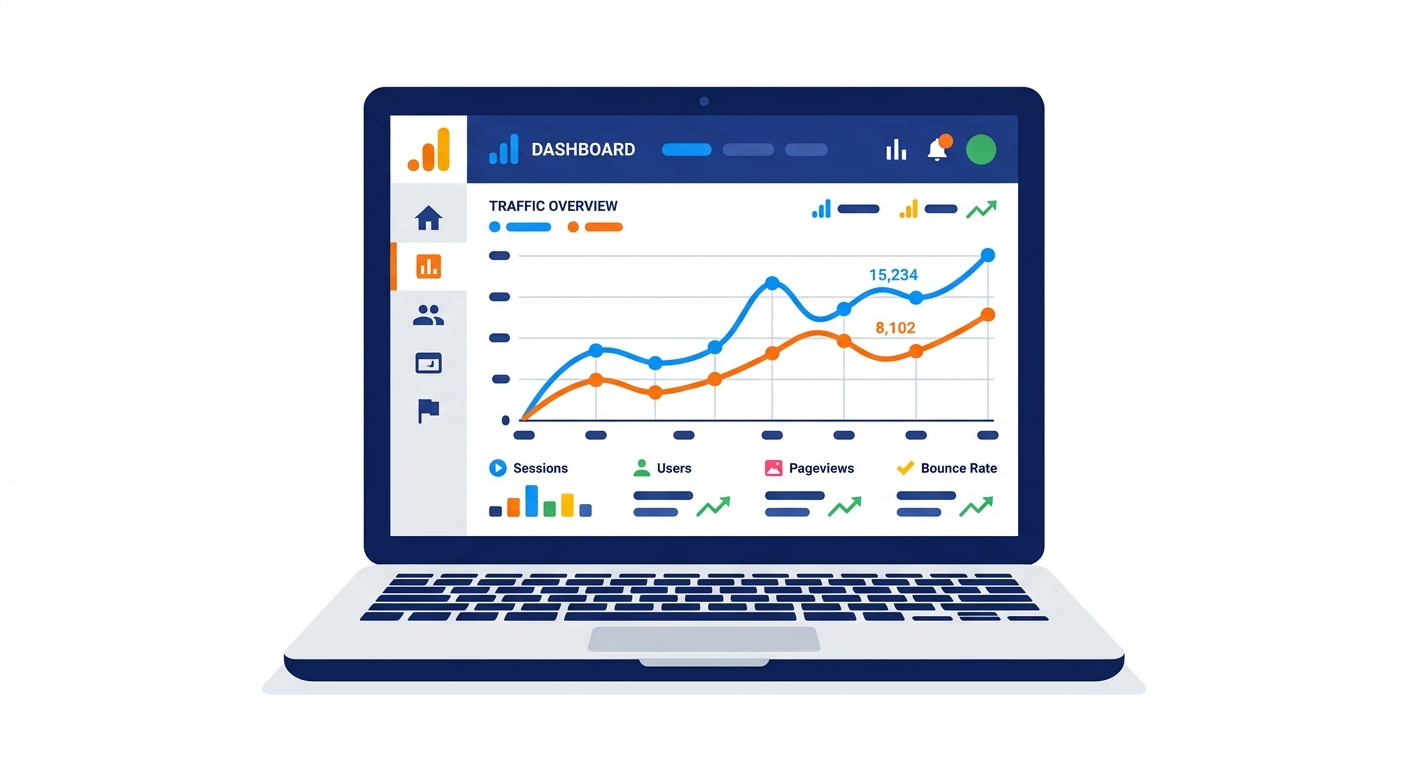
Over 70% of small businesses identify SEO as their top digital marketing priority in 2026. That’s survival. If your business isn’t discoverable on Google, you’re handing potential customers to competitors without a fight.
Why SEO is Non-Negotiable for Small Businesses in 2026
Ignoring SEO is like locking your storefront and throwing away the key. Consumers overwhelmingly start with search, and the odds are stacked in 2026. Local intent dominates: over 78% of mobile local searches result in an offline purchase within 24 hours, per BrightLocal’s latest report.
Most small businesses lack the ad budgets of national brands—forget dominating paid results long-term. SEO levels the playing field. Ranking on the first page means you don’t have to outspend to outrank.
Key takeaway: In 2026, showing up in organic search isn't just a bonus—it’s the baseline for growth.
From Bakery Floors to Digital Doors: Real-World Impact
Real businesses pull real revenue from SEO. A local bakery in Austin optimized its Google My Business profile with keywords, quality photos, and regular updates, boosting foot traffic by 30% year-over-year. That translated directly to more sales—not digital noise, but people through the door.
SEO success isn’t just for tech or ecommerce. Any business that relies on people finding it—online or in person—sees measurable gains from foundational optimization.
Basic SEO Audit: Start Here, Skip the Guesswork
Getting started doesn’t require a five-figure budget or a dedicated team. A basic SEO audit reveals quick wins and hidden pitfalls. Check today:
- Verify site indexing: Use Google Search Console to see how your pages perform.
- Check for technical errors: Spot crawl issues, site speed, and mobile usability problems.
- Audit on-page SEO: Ensure every page has a unique, keyword-rich title and meta description.
- Optimize local listings: Confirm your Google Business Profile is complete and accurate.
Many businesses ignore these basics—and pay in lost leads and wasted ad spend.
ROI: What’s the Payoff of SEO Investment in 2024-2026?
With limited budgets, every dollar counts. The data is clear: SEO delivers serious returns. Small businesses investing in SEO over the past three years report:
| Year | Average SEO Investment | Median ROI From SEO | Businesses Reporting Revenue Increase |
|---|---|---|---|
| 2024 | $3,800/year | 290% | 62% |
| 2025 | $4,200/year | 312% | 68% |
| 2026 | $4,800/year | 341% | 72% |
Source: Clutch.co, BrightLocal, and industry surveys.
These gains aren’t theoretical—they’re showing up in P&L statements now. The trend is accelerating.
What Are the Best SEO Strategies for Small Businesses?

Picture a neighborhood bakery obsessed with recipes but struggling to pull in new faces. Foot traffic plateaus. Search “bakery near me” and it’s buried behind ads and chains. That was their reality—until strategic SEO moves flipped the script.
This isn’t rare. Small businesses everywhere get dominated online by bigger players with deeper pockets. Refusing the SEO game is like putting an “Always Closed” sign on your digital front door. In 2025, 78% of consumers researched local businesses online before spending. If you’re not showing where they’re looking, you’re invisible.
What works in 2026? Three non-negotiables: local SEO, content optimization, and a mobile-first site.
Local SEO puts you on the map—literally. Don’t waste energy competing nationally. Double down on “near me” searches, Google Maps packs, and local directories. 88% of consumers who do a local search on their smartphone visit a related store within a week. That’s footsteps and sales.
Traditional SEO tactics like generic keywords and broad guest blogging might rack up traffic—but not always the right kind. Local SEO targets intent. A landscaping company in Austin wants “Austin backyard design,” not just “backyard ideas.” The difference? Tire-kickers vs. ready buyers.
Chase generic rankings, attract window shoppers. Focus on local intent, bring in buyers.
Skip content optimization at your peril. Keyword stuffing hasn’t worked since dial-up days. Instead, craft genuinely useful answers—“Is your bakery gluten-free?” or “Do you cater office parties?” This builds trust from the first page view.
Mobile-first isn’t optional. Over 60% of local searches happen on mobile—often outside your door. If your site is a nightmare on smartphones (tiny buttons, slow loads, impossible menus), expect bounce rates to soar and sales to vanish. Responsive design is baseline. Test obsessively on mobile, cut bloat, and make calling, directions, or ordering stupid-easy.
Bottom line: Small businesses win SEO by going deeper on local visibility, answering real buyer questions, and making mobile seamless. Ignore these, and you lose ground before tomorrow opens.
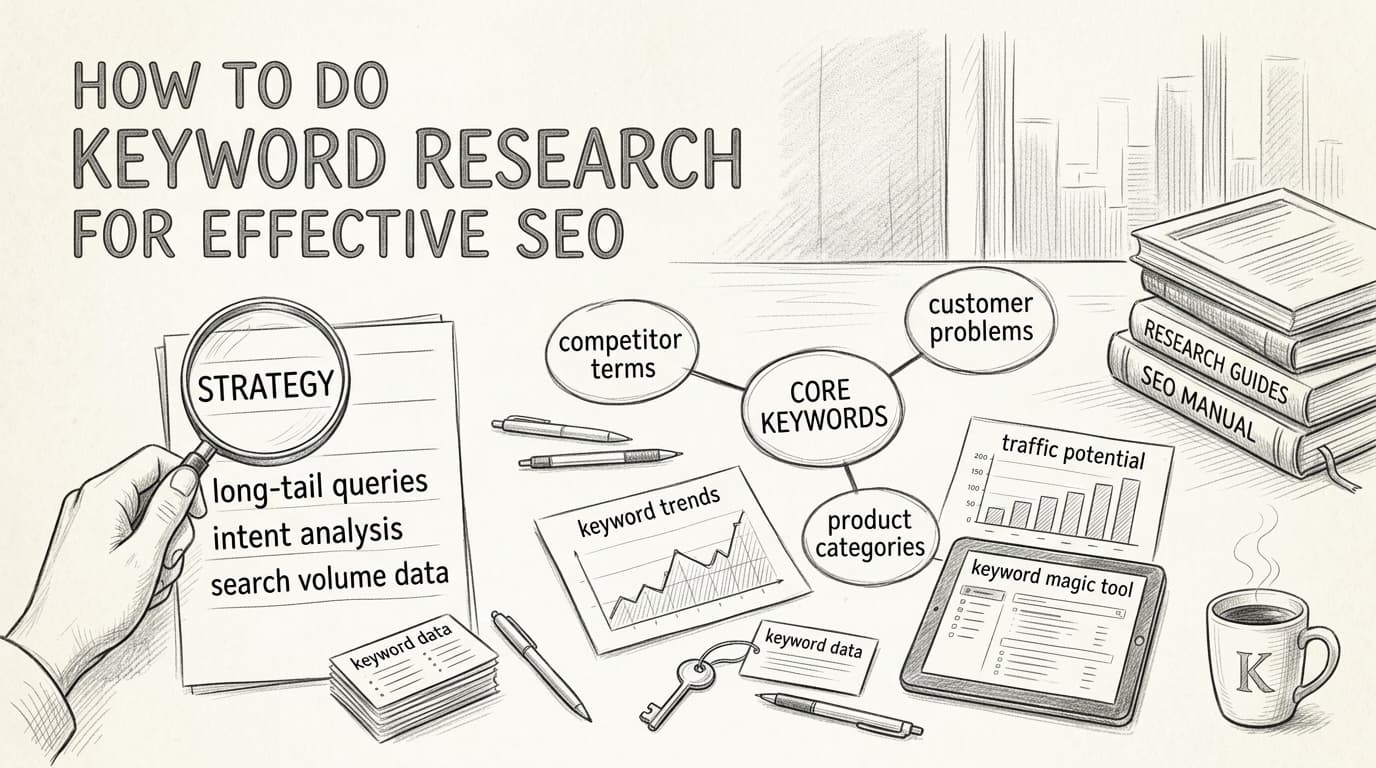
How to Conduct Keyword Research for Small Businesses
Half of all Google searches in 2026 are four words or longer. Targeting short, generic keywords isn’t just losing—it’s skipping the game. Real wins come from high-intent, low-competition phrases bigger brands ignore.
What's the fastest way to find the right keywords?
Start with specialized tools like SEMrush or Ahrefs. They reveal search volume, keyword difficulty, trends, and competitor rankings. Google Keyword Planner is free and useful but limited. For details, see our comprehensive guide on keyword research.
Bottom line: Guessing keywords means missing opportunities competitors seize.
Why long-tail keywords are your best friend
Long-tail keywords have three or more words—like "affordable vegan shoes for women" vs. "vegan shoes."
- 50% of all search queries are long-tail (Backlinko, 2025)
- Less competitive, easier to rank higher, faster
- Packed with buyer intent, meaning higher conversions
A local ecommerce store selling eco-friendly shoes targeted "women's eco-friendly slip-on shoes under $100" instead of "shoes." Six months later, organic traffic rose 50% with more qualified leads. That’s precision targeting.
Step-by-step keyword research for small business
- Brainstorm seed keywords. Think like your customer.
- Use tools like Ahrefs, SEMrush, or Google Keyword Planner. Get related keywords with volumes and difficulty.
- Prioritize by intent and difficulty. Look for high-volume, low-difficulty buyer phrases.
- Spy on competitors. See what keywords they rank for; steal and improve their winners.
- Validate with Google. Check the first page—are keywords winnable or dominated?
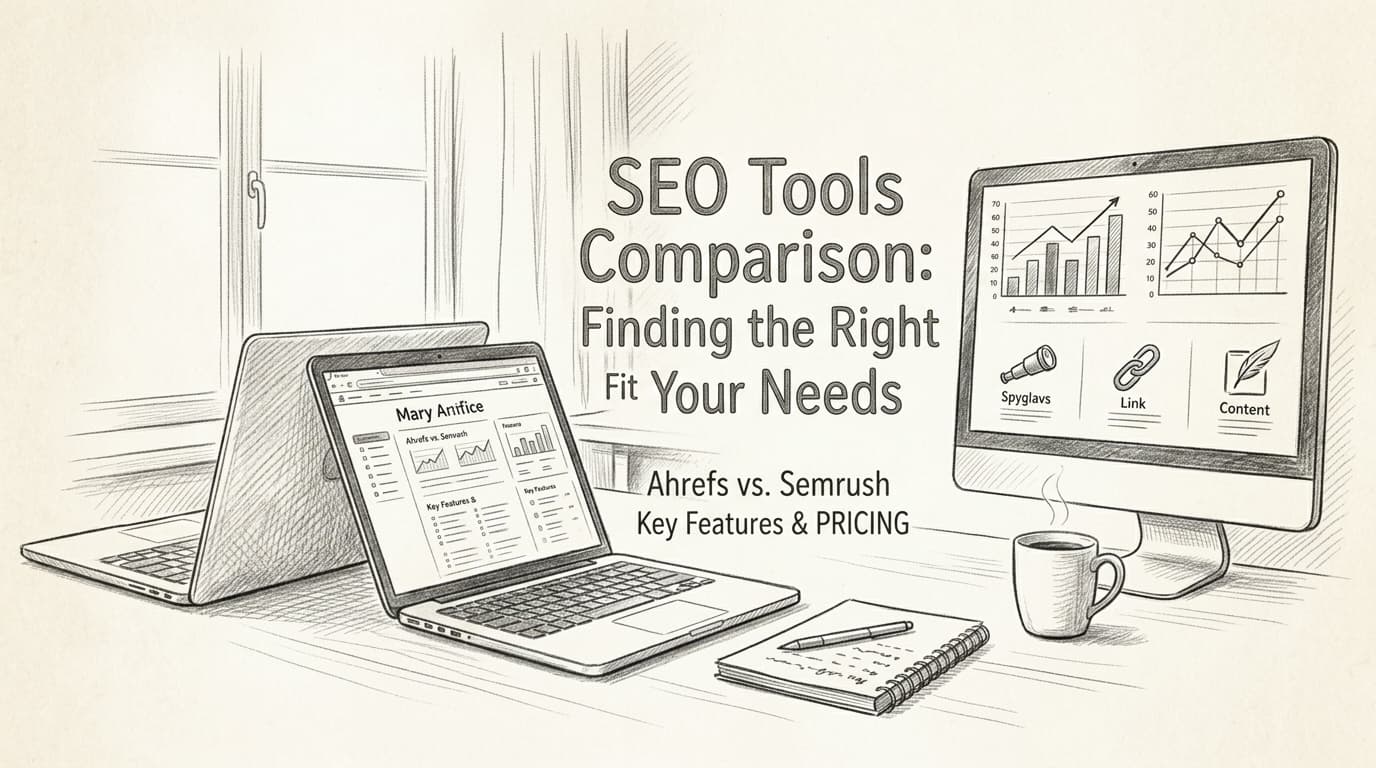
Which keyword tool is best?
No tool is perfect; choice depends on budget, needs, and skill.
| Feature | Ahrefs | SEMrush | Google Keyword Planner |
|---|---|---|---|
| Keyword Suggestions | 7B+ database, topical clusters | SERP features, long-tail focus | Direct from Google, limited breadth |
| Keyword Difficulty | Strong, transparent scoring | SERP analysis & trends | Bid estimates, not true SEO difficulty |
| Competitor Analysis | Deep backlink + keyword data | Competitive tracking | Basic competitor overlap |
| Pricing | ~$99/month | ~$129.95/month | Free (with Ad account) |
| Best for | Deep research | All-in-one, visual | Quick, free, basic research |
- Ahrefs: Best for depth; large database and user-friendly.
- SEMrush: Excels in SERP feature analysis and content recommendations.
- Google Keyword Planner: Good for beginners on a budget, limited outside PPC data.
Key takeaway
Nail keyword research by using modern tools and thinking beyond obvious terms. Get specific, aim for long-tail, and let data drive your strategy. Master this, and rankings and revenue rise faster. If stuck, pick one tool, choose 10-20 buyer-focused long-tail phrases, and build.
The Role of Content in Small Business SEO
High-quality, relevant content fuels strong SEO for small businesses. No matter how good your technical setup or keyword targeting—if your content stumbles, search engines will too. Want better rankings and traffic? Publish content that serves your audience’s needs.
Search engines reward sites that answer user questions best. Google’s 2026 updates prioritize genuinely useful, well-organized info. Blogs, FAQs, product guides, and “how-to” explainers aren’t fluff—they’re strategic.
How Does Content Influence SEO Rankings?
Businesses investing in content enjoy more visibility. Websites with active blogs have 434% more indexed pages than those without (HubSpot). More pages mean more long-tail opportunities, featured snippets, and ways customers find you.
Every optimized post is a doorway from Google or Bing. Consistency turns your site from a digital brochure into a resource library.
Real Example: Small Tech Firm Doubles Leads
A small SaaS firm in project management started with a five-page site—almost invisible in search. Weekly blogs on user pain points like “how to onboard new team members” and “best ways to manage remote projects” changed that. In six months, organic leads doubled, and they hit top three Google spots for high-intent queries. The secret? Laser-focus on real customer struggles competitors ignored. That’s what search engines and users crave.
What Kind of Content Should Small Businesses Prioritize?
Avoid shotgun content—it wastes energy and budget. Winners focus on:
- Answering real customer questions: Use queries from calls, emails, or social media.
- Addressing pain points, not just features: Solve problems like “How to cut busywork in HR.”
- Using trending topics: Spot shifts with Google Trends and social listening.
- Educate and inspire action: Guides, case studies, checklists earn links and authority.
Action Plan: Build a Content Calendar That Drives Results
Inspiration alone won’t cut it. A content calendar is essential:
- List top customer pain points – Talk to sales/support; review feedback.
- Brainstorm topics addressing these points – Verify with keyword research.
- Map topics to formats – Blog, FAQ, video, or guide.
- Schedule weekly or biweekly posts – Consistency beats volume.
- Optimize every piece – Clear headlines, internal links, natural keywords.
- Review and refresh quarterly – Outdated posts lose rankings fast.
For more, see our SEO content writing tips.
When someone claims “content doesn’t move the SEO needle,” point to data: businesses with documented strategies and consistent publishing outrank those without—year after year.
Ignoring content is a classic trap. It’s your most controllable lever for better rankings and compounding growth. Publish intentionally, and leads will follow.
For data on content’s impact, see the Content Marketing Institute’s 2026 report.
Local SEO: The Secret Weapon for Small Businesses
Local SEO means optimizing your online presence to show up for nearby searchers ready to buy. This isn’t theory—46% of Google searches seek local info. Ignore local search, and you leave half the market to competitors down the street.
Small businesses depending on foot traffic, appointments, or local word-of-mouth must master this. Google’s big algorithm changes get headlines, but what moves the needle in 2026 is making your brand impossible to miss on map packs, local listings, and “near me” searches.
When people need a plumber, dentist, or takeout, they Google by location. If you don’t appear at the top (map pack or top organic), you might as well be invisible. Brutal—but true.
What is Local SEO and Why Does It Matter?
Local SEO optimizes your website, listings, and content for local searches. The goal? Show up whenever someone nearby searches for your product or service. It’s more than keywords—Google reviews, location pages, and citations count.
Ignore local SEO, and competitors swoop in to win your business.
Real Results: The Local Restaurant Case Study
An Austin restaurant struggled to appear for "best tacos near me." They stopped guessing and got methodical: optimized their Google Business Profile, secured consistent directory citations, asked for reviews, and published weekly posts on local events.
Result? Search visibility jumped 40% in three months. Friday nights became standing room only. All from local SEO tweaks competitors ignored.
If you aren’t in the “3-pack” and earning reviews, you’re letting others dominate.
Which Local SEO Tools Are Worth Your Time?
Not all local SEO tools are equal. Here’s a comparison:
| Tool | Strengths | Pricing | Best For |
|---|---|---|---|
| Moz Local | Automated listing sync, duplicate removal, solid reporting | $14/month+ | “Set and forget” directory cleanup |
| BrightLocal | Deep citation audits, review generation, rank tracking | $39/month+ | Agencies and SMBs serious about local tracking |
| Yext | Real-time directory updates, core data control, strong integrations | $199/year+ | Large-scale, multi-location accuracy |
Moz Local cleans inconsistencies fast—perfect for essentials without micromanaging. BrightLocal suits agencies and hands-on marketers with reporting and review management. Yext is for scale-obsessed brands juggling many locations.
How Do You Win Local SEO?
Own your Google Business Profile, get consistent citations, and focus on customer reviews. Competitors aren’t waiting—neither should you. Local SEO isn’t optional in 2026. It’s your secret weapon to convert digital intent into in-person sales. See our local SEO optimization guide for details.
SEO Tools Every Small Business Should Use
A small Austin bakery struggled with slow weekdays. After revamping local SEO and using Google Analytics, foot traffic doubled in three months, especially from “fresh pastries near me” searches. Think organic search only matters for big brands? You’re missing the biggest growth lever most small businesses have.
Here’s the punchline: 76% of people who search nearby visit a business within a day (Google, 2025). If your SEO isn’t tight, you’re losing hundreds or thousands of potential customers every month.
Essential SEO tools for small businesses
Start with must-haves: Google Analytics, Moz, and Yoast SEO for WordPress. These aren’t gimmicks—just the most reliable, actionable stack you can get for little or no budget.
Google Analytics is non-negotiable. It shows traffic sources, bounce points, and conversions. Without it, you’re flying blind. A retail shop owner spotted high-traffic product pages with low sales, rewrote copy, tweaked images, and added FAQs. Two weeks later, conversions spiked. That’s data working.
Moz excels at keyword tracking and competitor analysis. If you wonder why your rival outranks you for "bakery near me," Moz reveals missing backlinks, page optimizations, and citations.
Yoast SEO is the old reliable for on-page SEO on WordPress. It keeps titles, meta descriptions, and content SEO-friendly with simple checklists. One glance shows if your post needs internal links or if your homepage keyword density is off.
How these tools compare for small business SEO
| Tool | Key Strength | Best For | Limitation |
|---|---|---|---|
| Google Analytics | Traffic & user behavior tracking | Identifying site bottlenecks | Can overwhelm with data |
| Moz | Keyword & backlink analysis | Spotting ranking gaps, local SEO | Limited free features |
| Yoast SEO | On-page SEO for WordPress | Meta/title optimization, readability | WordPress-only |
| Ahrefs | Comprehensive site/audit reports | Deep SEO auditing, link building | Higher price |
| Google Search Console | Site health & index coverage | Monitoring search performance | Less visual, steeper learning |
| SEMrush | Competitor ranking & PPC data | Full digital marketing | More features than needed |
It’s not about the tool with the most features—it’s avoiding “all-in-one” platforms that dilute focus. For most small businesses, less is more. Choose essentials that fit your stack, not subscriptions burning cash for unused bells and whistles.
Impact of these tools on SEO results
A 2026 HubSpot survey found 60% of marketers say inbound tactics—SEO and blog content—drive their highest quality leads. That’s not just traffic, but warmer, higher-intent customers walking in from organic visibility.
That bakery owner? Using Google Analytics to spot underperforming pages and Moz to benchmark local SEO boosted visits and in-person sales tied to landing page optimizations and hyperlocal keywords.
Best first step for small businesses
Set up Google Analytics now—don’t wait for more traffic. Every visitor is a learning opportunity. Install analytics, connect Google Search Console, and activate Yoast on WordPress. Then focus on results, not dashboards.
If traffic tanks after a redesign or blog posts don’t get clicks, skip guesswork. Free tools like the Readability Checker quickly show why content might drag SEO down.
Key takeaway: Don’t drown in shiny tools. Master analytics, monitor keywords, keep content clean—and watch local results turn into real sales.
Future-Proofing Your Small Business SEO Strategy
Staying ahead means future-proofing your SEO now—not scrambling later. The next years revolve around voice search, AI-driven tools, and demand for frictionless user experiences.
In 2026, prioritize voice search optimization, embrace AI-powered SEO workflows, and upgrade site usability.
Why Voice Search and AI Matter
By 2026, 55% of households will own a smart speaker. Half your audience talks—not types—when searching. Google and Bing heavily weight natural language and conversational queries. If your site isn’t optimized for how people ask questions, you’re invisible.
AI isn’t just buzz. Companies using AI SEO tools—Surfer AI, SEMrush Copilot—produce optimized content and keyword strategies in hours, not weeks. Small businesses integrating AI saw a 20% efficiency boost last year (Search Engine Land, 2025). Faster research, content deployment, and smarter link-building automation.
Best SEO Tools for Small Businesses in 2026
| Tool | Best For | Voice/AI Integration | Price (2026) | Standout Feature |
|---|---|---|---|---|
| SEMrush | All-in-one SEO suite | Strong (AI, NLP) | $129/mo+ | Automated content briefs |
| Ahrefs | Backlink analysis | Moderate (AI) | $99/mo+ | Deep link explorer |
| Surfer SEO | Content optimization | Very strong (AI) | $89/mo+ | AI-powered content editor |
| Moz Pro | Keyword tracking | Basic | $99/mo+ | Local rank tracking |
| Jasper AI | Content creation | Excellent (AI) | $59/mo+ | Blog post automation |
| Ubersuggest | Budget basics | Basic | $29/mo+ | Simple keyword reports |
| Google Search Console | Technical SEO | None | Free | Core web vitals insights |
| LazySEO | Streamlined workflows | Solid (AI-driven) | $49/mo+ | Fast keyword clustering |
Small businesses using 3+ SEO tools report a 40% faster ranking improvement (Moz, 2025). Combining AI writing assistants with technical trackers works.
How Can Your Business Adapt Quickly?
Voice search isn’t “maybe later.” Start now:
- Update keyword research: Add natural language, question-based phrases like “how do I fix a leaky faucet?” or “best coffee shop near downtown Atlanta.”
- Restructure FAQ and service pages: Add clear, concise answers to common spoken queries.
- Invest in AI-driven tools: Automate topic clustering, keyword suggestions, and on-page workflows.
- Focus on UX: No AI fixes slow, unreadable, or mobile-nightmare sites. Core Web Vitals are baseline.
- Monitor and iterate: Use Search Console or dashboards to track voice and AI traffic spikes. Tweak regularly.
Example: AI-Powered Efficiency
A Chicago retailer used AI content tools and voice-focused keyword research. They restructured service pages with question-based language. In three months, voice query traffic rose 22%, and content creation time dropped 20%. They outpaced larger competitors stuck in older workflows.
The Key Takeaway
Future-proofing SEO isn’t chasing every trend. It’s adopting tools and workflows that match how customers search—and how Google recognizes authority. Voice search and AI are essential. Winners optimize for them today.
For more on site structure and AI, see Google’s 2026 Search Trends Report.
Take Charge of Your SEO Future
The digital landscape isn’t slowing, and neither should your SEO. Prioritize local SEO and targeted content—these drive the fastest results for small businesses. Start by updating your Google Business Profile, gathering reviews, and creating content answering common customer questions. Tools like LazySEO streamline these tasks, freeing your time for growing your business. SEO isn’t one-and-done; it’s an ongoing investment in visibility and success. Commit today to smarter, consistent SEO, and watch your business climb in 2026 and beyond.
In the "How to Conduct Keyword Research for Small Businesses" section, the phrase "specialized keyword research tools like SEMrush or Ahrefs" includes a natural internal link to a comprehensive guide on keyword research for 2026.
In "The Role of Content in Small Business SEO," the text "SEO content writing tips" links to advice on boosting engagement with SEO content.
In "Local SEO: The Secret Weapon for Small Businesses," the phrase "Local SEO isn’t optional in 2026" links to a detailed local SEO optimization guide for 2026.
These links provide targeted, useful resources complementing the article’s focus on SEO for small businesses.