SEO Trends for 2026: Embracing AI and Branded Search
SEO trends in 2026 focus on using generative AI, branded search strategies, and advanced optimization techniques to efficiently capture and retain organic traffic. Digital marketing leaders are shifting tactics, using modern SEO tools to automate research, tap into new search behaviors, and outpace competitors. Simple keyword stuffing is obsolete.
Sound familiar? You spend hours researching what’s supposed to work in SEO, only to see traffic plateau and rankings slip. You track Google updates closely, but what worked six months ago is now outdated. Meanwhile, huge brands dominate the first page—sometimes for your own brand’s name. The speed of change accelerates, leaving even seasoned SEO specialists scrambling. If your content team is burning out on constant keyword research, or technical tweaks deliver diminishing returns, welcome to the new reality of search.
Here’s a bold truth: the old playbook is being rewritten again. By 2026, SEO isn’t just about outranking other sites for a handful of keywords. It’s about understanding how generative AI is fundamentally shifting content visibility, mastering tools designed for algorithmic complexity, and building brands that search engines trust. The brands setting the pace look beyond basic backlinks and long-tail queries—they anticipate the next move.
This guide exists because staying ahead isn’t optional anymore. Inside, you’ll find the clearest signals on where SEO is going in 2026—what matters, what’s fading, and what you can actually do to keep your results trending up. If you’re ready to turn frustration into foresight, let’s dive in.
Why 2026 is a Pivotal Year for SEO
SEO in 2026 isn’t just evolving—it’s undergoing one of the biggest shakeups the industry has seen in a decade. The playbook that worked even a year ago is gathering dust, thanks to a fresh wave of AI-powered search updates and rapid changes in how users interact with content. If you’re still relying on manual keyword research or legacy tactics, you’re invisible.
How AI is Driving the New SEO Era
AI is now essential for serious SEO. Search algorithms are smarter, searchers are savvier, and the days of “tricking” Google are over. More than 70% of marketers have shifted a chunk of their SEO budgets towards AI-driven tools this year, according to Marketermilk’s 2026 report. That’s not an experiment—it’s critical mass.
AI has taken over the tedious, analytical side of SEO and supercharged it:
- Automated keyword clustering that analyzes search intent at scale
- AI-powered content audits flagging gaps and opportunities
- “Auto SEO” platforms running thousands of tests on titles, internal links, and on-page elements daily
Your competition is running continuous optimization cycles while you’re still fiddling with spreadsheets.
What’s Obsolete Now?
Forget cramming exact-match keywords into every header. Google in 2026 rewards content that’s helpful, transparent, and rooted in real expertise—not robotic SEO tricks. The EEAT (Experience, Expertise, Authoritativeness, Trustworthiness) framework trumps old notions of “keyword density” or “LSI terms” searchenginejournal.com/seo-trends/.
A side-by-side comparison makes it clear:
| SEO in 2025 | SEO in 2026 | |
|---|---|---|
| Keyword Research | Manual, time-consuming | AI-driven clustering, search intent mapping |
| Content Strategy | Blog updates based on guesswork | Real-time content gap identification via AI |
| Ranking Factors | Keyword frequency, backlinks | EEAT, user engagement, helpful content |
| Page Optimization | Human audits monthly | Auto SEO platforms running daily improvements |
Key takeaway: The speed of iteration and depth of insight have gone exponential—the gap between “AI-first” and “old-school” teams widens every month.
Case in Point: AI’s Real-World Impact
Late last year, a leading SaaS company pivoted their SEO planning using an auto SEO tool that flagged thousands of outdated, low-performing pages. Within three months, they’d replaced 60% of their pillar content, removed obsolete “SEO padding,” and saw organic traffic jump by 43%—all while reducing manual work by half. Manual audits and hand-edited spreadsheets wouldn’t have caught a fraction of these opportunities.
Evaluating Your Own SEO Strategy for 2026
Don’t wait for your next traffic drop to realize your playbook is stale. Here’s how to stay ahead:
- Audit for AI Gaps: Which parts of your SEO process still depend on manual analysis? If you’re not using automated tools for topic discovery, on-page ops, or technical SEO, you’re overdue.
- Experiment with Auto SEO Platforms: Test-drive platforms that offer continuous site audits and optimization. If they surface critical issues your team missed, that’s a red flag for your current approach.
- Prioritize EEAT and User Experience: Start treating Google’s search rater guidelines as gospel. Interactive content, expert signals, and helpful answers beat out keyword tricks every time.
If your idea of “modern SEO” is just longer blog posts and more backlinks, 2026 will be brutal.
AI in SEO isn’t a trend—it’s the new baseline. Ignoring these shifts is a guaranteed path to irrelevance. In 2026, the only marketers who win are those already embracing automation, smarter SEO planning, and a relentless focus on real user value.
For the latest on what’s trending in search, Google Trends is a goldmine for tracking sudden changes in user behavior. If you’re not using data like this, you’re guessing—and your competitors know it.
How is Generative AI Reshaping SEO?
Picture this: a SaaS startup launches a new feature, updates the homepage, polishes some blog posts, then sits back—waiting for a flood of search traffic that never shows. Their rankings slip. Organic traffic flatlines. Meanwhile, a nimble competitor jumps ahead in every SERP, simply because they’re pumping out relevant, optimized content at breakneck speed—thanks to generative AI.
This isn’t some future scenario. It’s what’s happening right now, and the gulf between those using AI for SEO and those relying on manual hustle just keeps widening. Generative AI has become the new engine of SEO in 2026. Anyone ignoring it risks becoming invisible.
The bottom line: Generative AI reshapes SEO by automating content creation, optimizing for user intent, and allowing teams to scale SEO output in ways that weren’t possible before.
What does generative AI actually change in SEO?
Generative AI—think ChatGPT, Jasper, and their competitors—has bulldozed the old playbook. Instead of brainstorming article ideas in isolation or slogging through endless keyword spreadsheets, AI-powered tools handle the heavy lifting. They don’t just spit out bland copy—they analyze trending queries, extract gaps from top-ranking content, and even predict what users want next week. This is auto SEO at a level humans simply can’t match for efficiency or speed.
The shift is massive. As of 2026, 60% of top-ranking articles are AI-assisted according to Search Engine Journal. These aren’t generic listicles. They’re well-structured, deeply optimized, and tailored both for search engines and human readers. Miss out on this approach, and you’re forfeiting a shot at the first page.
Direct answer: How does AI automate content and SEO planning?
Generative AI excels at automating content creation and keyword optimization. Feed it a target keyword or prompt, and you’ll get a draft ready for human polish in minutes—headline variants, meta descriptions, suggested internal links, the whole package. More advanced auto SEO platforms even auto-generate schema markup or surface long-tail opportunities as part of their built-in SEO strategy planner feature set.
It doesn’t stop at keyword insertion. AI now factors in semantic search, user intent, and trending queries pulled live from sources like Google Trends. That’s a seismic leap from the days when on-page SEO was just about keyword density and plug-and-play meta tags.
Real-world impact: Case study evidence
Skeptics still think AI-generated content is spammy or shallow. That’s outdated thinking—2026’s winning teams use AI as a force multiplier, not a replacement for strategy. Take the SaaS company that rebuilt its blog and help desk docs using a hybrid process: subject matter experts fed insights, and generative AI turned those into drafts and headlines tailored for relevant queries. The result? A 40% jump in organic traffic in just four months—a stat mirrored in a wide range of competitive industries this year.
More telling, according to a 2025 Gartner report, 68% of businesses that didn’t update their SEO strategies in the prior two years saw a decline in organic traffic. The message is impossible to ignore: sitting still means sliding backward.
2026: Adapt or vanish
Here’s the real threat—AI advances are compounding. Auto SEO software isn’t just for ambitious upstarts anymore; even global brands are churning out optimized, high-ranking content at scale without breaking the bank on manual research.
So, if anyone’s still treating AI as a gimmick or holding out with 2010s-era SEO tactics, they’re letting competitors vacuum up all the organic clicks. Smart teams are using generative AI not because it’s trendy, but because it’s the only practical way to keep up. You can keep your head in the sand, or you can let AI handle the grind and reserve human brilliance for the big, strategic SEO planning moves—the moves that actually build lasting dominance.
Key takeaway: Generative AI has become essential for modern SEO. Ignore it, and your rankings—and your business—will be left behind.
For a deeper dive, Search Engine Journal regularly breaks down the latest shifts in SEO trends and AI-driven ranking factors.
What Are the Best SEO Tools for 2026?
Here’s something that should make you double-check your SEO stack: By 2026, more than 50% of all web content is generated or assisted by AI (Content Marketing Institute). Combine this tidal wave of auto-generated copy with search engines getting smarter every month, and you’ve got one central question—what does this mean for your SEO toolset?
The answer: If you’re not running with AI-enhanced tools, you’re already behind. New data shows 80% of SEO pros now use at least one AI-powered platform for research, auditing, or reporting (searchenginejournal.com). The big three—SEMrush, Ahrefs, and Moz—aren’t just keeping up. They’re fiercely competing to become the default “auto SEO platform” for marketers and agencies who want to stay ahead.
How Have the Top SEO Tools Changed in 2026?
The best SEO tools today don’t just spit out keyword ideas—they help you plan, execute, adapt, and optimize with deeper, AI-driven insight. You’ll notice “auto SEO software” features cropping up everywhere: Think one-click content audits, predictive recommendations, and real-time competitive monitoring that’s actually usable, not just a spreadsheet dump.
But these tools aren’t carbon copies. Take a look at how SEMrush, Ahrefs, and Moz now stack up—especially in areas like AI content discovery and real-time SEO planning:
| Feature | SEMrush (2026) | Ahrefs (2026) | Moz (2026) |
|---|---|---|---|
| AI Keyword Suggestions | Yes — predictive & topical | Yes — generative clusters | Yes — powered by MozAI |
| AI Site Audits | Fully automated, real-time | Weekly deep-crawl, context | Automated, with action cues |
| SERP Forecasting | Yes – scenario modeling | Yes – trend alerts | Basic predictive |
| Content Gap Analysis | Advanced, AI-driven | Link/interlink focus | Thematic clusters |
| SEO Strategy Planner | Yes – collaborative AI | Exports to Google Docs | Workflow templates |
| Auto SEO Tool Integration | Yes — APIs, Zapier | Beta — limited | Yes — workflow actions |
| Pagination SEO Support | Yes — auto detection | Manual settings | Checklist-based |
| Pricing (USD/month) | $149+ | $129+ | $99+ |
| Unique 2026 Advantage | Predictive competitor moves | Massive link database | E-E-A-T scoring insights |
Don’t just glance at the AI features—look at those “auto SEO” and “SEO planning” options. SEMrush and Moz doubled down on fully automated content audits and pagination SEO, while Ahrefs keeps flexing its unmatched link data. You’ll pay for it, though: top plans now start close to $100/month.
If your team’s burning hours manually stitching reports or running audits, it’s time to rethink the workflow. “Auto SEO software” is more than a buzzword in 2026—it’s a time-saver and a competitive blindspot killer.
Which Tool Actually Fits?
No tool dominates every scenario. Ahrefs is unbeatable for backlink nerds and teams tracking link-based authority metrics hour-by-hour. SEMrush crushes when you need “SEO strategy planner” features built around real competitor moves and content forecasting. Moz’s focus on E-E-A-T scoring is a win for brands worried about Google’s increasingly nuanced quality signals (yep, that’s right—Moz now gives you E-E-A-T health reports).
What’s getting left behind? The old “plug in a keyword, get 3,000 results, pick a few, hope for the best” workflow. Those days are over. The future is fluid, predictive, and personalized—your toolset needs to flex with you, not against you.
How Do You Pick the Right Stack?
Here’s the bottom line: Every serious SEO in 2026 should trial at least two of the big three tools. Watch how they handle your live content, how quickly their AI insights update, and if their “auto SEO” systems mesh with your real-world workload. Don’t just trust online reviews; run your own month-long head-to-head test.
You want to spot the gaps in your process—are you getting stuck on content ideation, technical audits, or fine-tuning internal linking? Match the tool’s strengths to where your team wastes the most time.
If your workflow still relies on spreadsheets, manual SERP checks, or scraping, you're at risk of losing visibility faster than you think. In 2026, the winning edge isn't “who has the most features”—it's who can adapt the fastest to algorithm swings and AI-powered competitors.
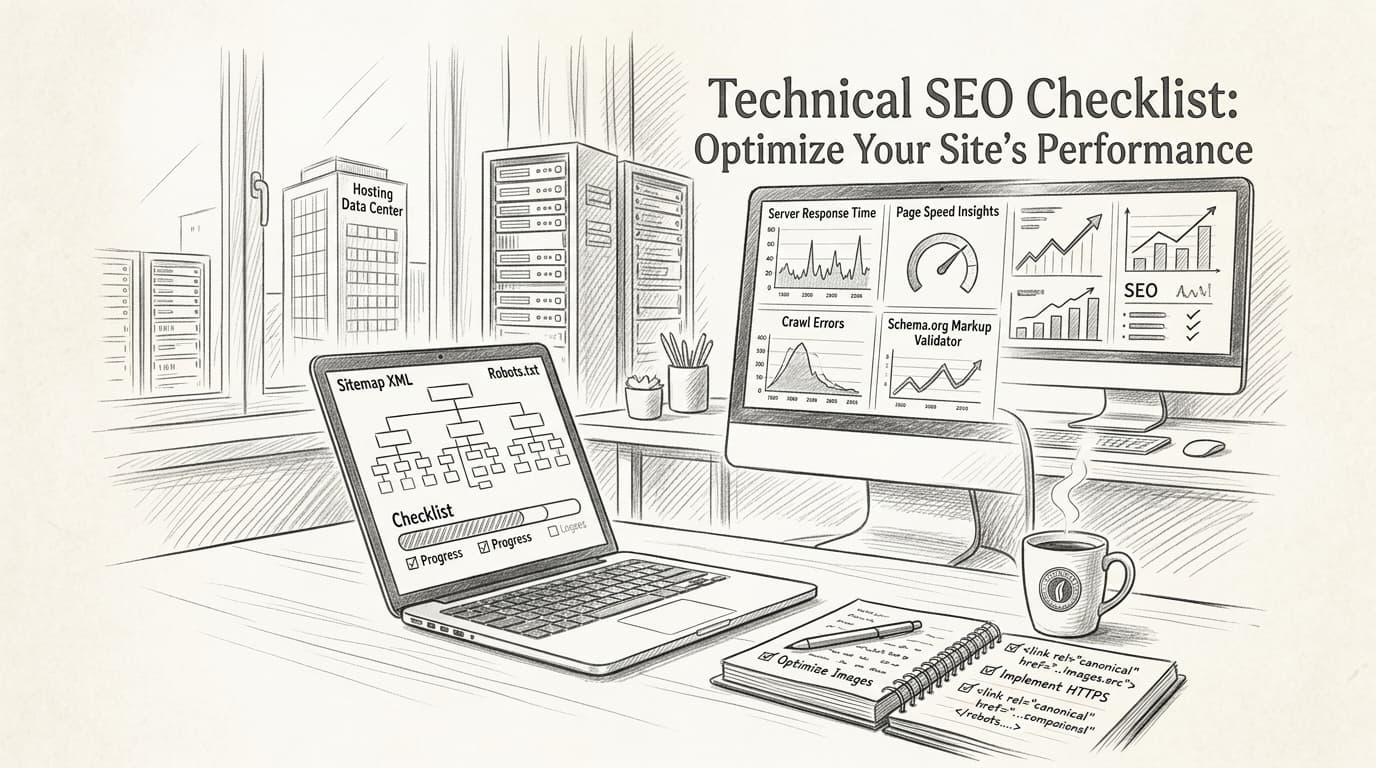
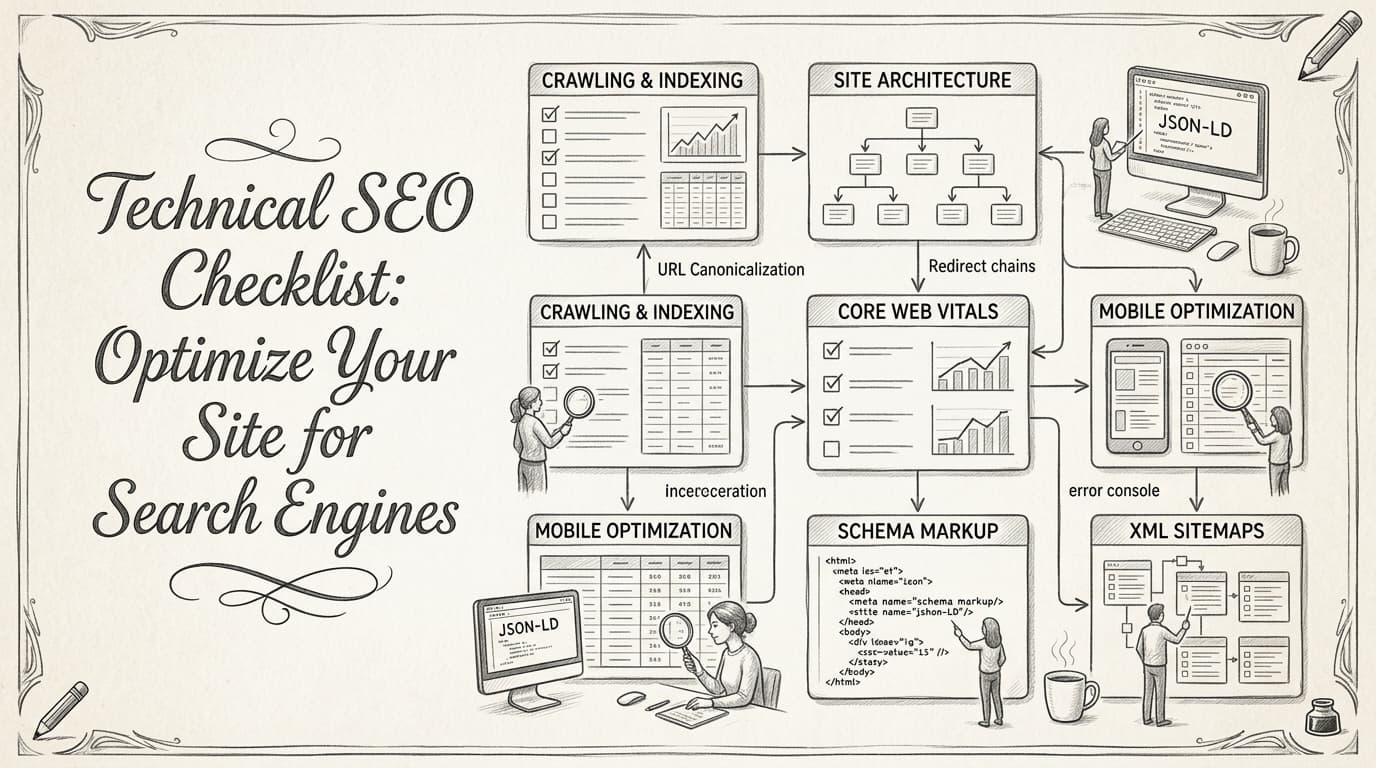
For more on selecting the best SEO tech, check out this detailed technical SEO checklist to optimize your site.
The Rise of Branded Search Tactics
Branded search tactics are dominating SEO in 2026, and ignoring them is basically lighting your organic growth on fire. Gone are the days when you could simply chase after generic keywords and hope for the best. Back in 2020, most toolsets were obsessed with non-branded keyword tracking, but that playbook is now outdated. Fast forward to 2026, and half of all search queries are branded. That’s right—50% of searches specifically mention a brand, and this shift is rewriting every smart SEO strategy.
Why Are Branded Search Tactics a Big Deal in 2026?
Branded search tactics directly boost brand recognition and deliver ultra-targeted traffic. Generic queries might yield impressions, but branded terms bring searchers who already know what they want. These clicks convert higher, bounce less, and are easier to retarget.
Here’s the key takeaway: Branded search isn’t just about defending your own brand—it’s a growth tactic in its own right.
Think about Nike. When Nike doubled down on branded search optimization in 2025—by blending online campaigns, product launches, and savvy SEO—they saw a 30% increase in online brand visibility within a year. Competitors chasing only generic shoe-related keywords simply couldn’t keep up. Nike’s branded SEO tactics included everything from optimizing for “Nike Air Max release dates” to controlling brand narrative across forums and review sites.
Branded vs Non-Branded: What’s the Real Difference?
If you’re still stuck optimizing product pages for “running shoes” instead of “Nike running shoes”—or worse, letting review sites dominate your branded SERPs—you’re leaving serious money on the table.
Here’s a side-by-side breakdown of the core differences:
| Branded Search | Non-Branded Search | |
|---|---|---|
| Volume | Lower (per query), but skyrocketing in 2026 | Higher, but scattered |
| Conversion | Up to 3x higher | Lower, more top-funnel |
| Competition | Brand competitors, resellers, review sites | Thousands of generic competitors |
| Impact | Defends + grows owned brand equity | Attracts broad, less loyal visitors |
| Effort | Requires reputation and SERP management skills | Relies on keyword/content grinding |
Companies ignoring branded search in favor of non-branded traffic are finding themselves overshadowed—even hijacked—by aggregators and resellers in 2026.
The New Toolset: Why Legacy Tools Aren’t Cutting It Anymore
A 2026 Moz survey found 72% of SEO professionals switched at least one core tool in the past year. The reason? Legacy keyword trackers just don’t surface how competitors, affiliates, and even negative reviews shape your branded SERP. If your “SEO planning” still treats branded keywords as an afterthought, your stack is stuck in 2020.
Modern solutions—think auto SEO software, reputation management dashboards, SERP monitoring, and auto SEO tools—let you track and shape every facet of branded queries. These don’t just spit out lists of keywords. They alert you when review sites outrank your homepage, flag negative headlines, and help you coordinate content to stay two steps ahead.
Tools like LazySEO now automate these workflows so you don’t need to spend hours every week patching your brand visibility across dozens of micro-SERPs.
How to Craft a Winning Branded Search Strategy
You don’t need a billion-dollar ad budget to win branded search in 2026. Here’s what’s working right now:
- Audit your branded SERPs monthly. Monitor not just your pages, but also how competitors, review sites, and forums shape your brand narrative.
- Optimize all branded assets. Product pages, corporate blog, FAQ, social channels—dominate as much real estate as possible.
- Respond and engage. Actively manage reviews and user forums where brand mentions appear.
- Leverage auto SEO tools for monitoring, alerting, and batch optimization to keep control even if your team’s lean.
If you’re not prioritizing branded search, expect competitors (and even dissatisfied customers) to fill the gap. The bottom line: Branded SEO is now an essential pillar of any serious SEO strategy planner—and your future organic growth depends on getting this right.
Check out more data on branded search trends in the latest industry deep dives.
How to Optimize for Voice Search in 2026
Voice search isn’t a side trend anymore—it’s the new battleground for organic visibility. With 55% of all searches expected to be voice-based by the end of 2026 (trends.google.com), you’re either optimizing for voice or waving goodbye to a massive slice of search traffic.
The bottom line: Optimizing for voice search in 2026 means doubling down on conversational keywords, local intent, and structured data if you want results that actually show up and convert.
What Does Voice Search Optimization Really Mean?
Voice search optimization is tailoring your content and SEO to match how real people talk—not how they type. People don’t say “best running shoes 2026”—they ask, “What are the best running shoes this year?” Google, Alexa, and Siri parse questions, not awkward keyword strings.
But here’s what most miss: These queries are longer, hyper-local, and loaded with commercial intent. If your content is stuck in 2020s SEO habits, you’re invisible to voice.
Concrete Example: Domino’s Pizza and the 20% Win
Domino's Pizza absolutely nailed voice search early and the numbers show it. After reworking their website to handle natural-language, voice-based orders, they saw a 20% jump in online orders. That wasn’t magic—it was about matching exactly how customers ask for pizza out loud: “Order a pepperoni pizza near me,” not “Domino’s pizza + city name.” That’s a playbook worth stealing.
The Building Blocks of Voice Search Dominance
Here’s how seasoned SEO pros are already winning the voice game in 2026:
- Prioritize Conversational Keywords
- Voice queries are typically 7+ words long and match how people speak. Use long-tail, question-based phrases. Tools like Google’s “People also ask” give you a goldmine of real questions.
- Double Down on Local SEO
- Over 58% of voice searches are local. Make sure your site’s local pages are bulletproof: up-to-date NAP (name, address, phone), detailed business hours, and location-based schema markup.
- Structured Data is Mandatory
- Adding schema markup (like FAQ, HowTo, and Product) helps search engines map questions to your answers, making your content a top candidate for featured snippets—and voice readouts.
- Optimize for “Near Me” and Action Phrases
- People say “find,” “order,” “buy,” and “near me” all the time. Bake those into your headings and answer sections.
- Keep Answers Clear and Short
- Aim for 30-50 word responses to common questions—Google loves snappy, scannable answers for voice.
Actionable Checklist for Voice Search Optimization
- Map out your most profitable keywords as natural-language questions.
- Add a robust FAQ section to every important page.
- Implement schema markup for FAQ, local business, and products/services.
- Update your local listings and make sure NAP is identical everywhere.
- Analyze your top pages with an auto SEO software or platform to spot technical gaps holding you back from voice features.
Voice Search vs. Traditional SEO: The Big Split
Traditional, typed SEO still matters, but the field is tilting hard toward voice. Text-based searches tend to be shorter and informational (“SEO planning checklist”), while voice is task-driven (“How do I create an SEO plan for my new SaaS site?”).
You’ll need both in your toolkit, but prioritize voice-optimized content for categories where people are likely to search hands-free—especially local businesses, e-commerce, and anything transactional.
Key Takeaway
If you’re not optimizing for voice, you’re already behind—especially given the pace of change in 2026. Voice queries are longer, more conversational, and focused on immediate needs. Tuning your site for these queries isn’t extra credit anymore; it’s a survival move.
Ready or not, your next customer is asking for you out loud—not typing. Make sure you show up with answers that actually get spoken back. For more on where voice SEO is headed, check out the latest research at Search Engine Journal’s voice SEO trends.
The Future of SEO: Preparing for 2027 and Beyond
Search is about to get a lot weirder—and a lot more interesting. Traditional tactics won’t cut it if you want to reach the top of Google in 2027. Here’s the blunt truth: Sites that keep doing the “safe” stuff—endless keywords, generic blog chains, tinkering with old meta tags—are already falling behind. The next wave of SEO trends will wipe out anyone unwilling to evolve.
The biggest disruptor? Augmented reality (AR) and virtual reality (VR) integrations are about to collide head-first with search. By 2027, most big sites will either adapt or get left behind.
Three out of four digital marketers—75%!—say AR and VR will influence SEO strategies by 2027 (source). The race is on.
Are AR and VR really going to matter for SEO?
Absolutely. Search is already moving beyond the “blue link.” Users expect immersive, interactive answers—not just text. Google, Apple, and Amazon are betting huge on “experiential” SERPs that blend app experiences, real-world overlays, and digital objects.
Take IKEA, for example. Their AR-enabled app lets shoppers place 3D furniture in their living rooms through their phones. Not only did engagement soar—a reported 43% bump—but the brand also saw a measurable lift in organic visibility and digital searches for every “try in AR” product. When brands blend AR with SEO, users stick around longer, dwell times spike, and those engagement metrics feed search rankings.
This isn’t exclusive to retail, either. Expect everything from B2B onboarding guides to local service providers to start rolling out mini-AR demos and virtual walk-throughs right from the search results in the next two years.
How will AR and VR change day-to-day SEO?
You’ll see fundamental shifts in:
- Content format: Pages optimized for “flat” content are going to suffer. Interactive 3D models, VR environments, and AR how-to overlays will become standard for competitive keywords—especially in e-commerce, real estate, events, and education.
- Rich results: Schema markup is evolving to support AR/VR content. Smart SEOs are already learning how to use new structured data types to tag immersive assets.
- Search behavior: With AR-powered Google Lens, a user can point their camera at a product or storefront—and trigger a totally different SERP than a typed query. If your assets aren’t optimized for visual, spatial, and interactive search, you’re invisible.
Missing out on these visibility signals? That’s a future traffic drain you can see coming from miles away.
What can you do now to prepare for the future of SEO?
The best time to start future-proofing your SEO strategy was yesterday. The second-best time is right now:
- Audit your content for AR/VR opportunities. Look for any product, tutorial, or service that benefits from “seeing it in 3D.” If you’re in SaaS, think interactive dashboards or virtual onboarding demos.
- Experiment with new technologies. Tools like Unity and ARKit bring AR experiences within reach for most teams—no need for a giant dev budget.
- Train your team on 3D asset creation. There’s a massive shortage of SEO pros who understand how to optimize immersive content for SERPs.
- Update your structured data. Google’s beta-testing new schema for immersive media. Start using it as soon as it’s available.
- Watch what leading brands do and adapt smarter. IKEA and Sephora aren’t million-dollar outliers—they’re early warning signals.
Key AR/VR SEO Use Cases & Who Should Care
| Use Case | Industry | Real-World Example | Impact on SEO |
|---|---|---|---|
| 3D Product Previews | E-commerce | IKEA AR in-app shopping | Higher engagement, dwell time |
| Virtual Walk-throughs | Real Estate | Zillow 3D Home Tours | Better local search rank |
| AR Tutorials | Consumer Electronics | Samsung AR Setup Guides | More “how to” long-tail clicks |
| Interactive SaaS Demos | Software/SaaS | VR onboarding simulations | Higher conversion on info queries |
Key takeaway: By 2027, the brands driving AR/VR experiences into their SEO strategy planning will set the bar for both engagement and rankings. Waiting is a losing game.
Ignore the future of SEO at your peril. Start testing, break some stuff, and get comfortable stretching past the confines of old-school SEO playbooks. The next upgrades to search aren’t about slight tweaks—they’re about building radically new experiences your competitors aren’t even thinking about yet.
Stay Ahead of the Curve
If there’s one move to make after reading up on the latest SEO trends, it’s this: start integrating AI-driven tools and branded search strategies into your workflow now. The landscape is evolving fast—voice search, generative AI, and new ranking signals are no longer optional. Prioritize adopting solutions that automate insights and streamline optimization, so you’re not just keeping up, but getting ahead. Tools like LazySEO can help you stay nimble as these changes unfold. Remember, the brands that adapt early will lead the pack when 2027 arrives. Embrace the next wave of SEO innovation—your future search visibility depends on it.